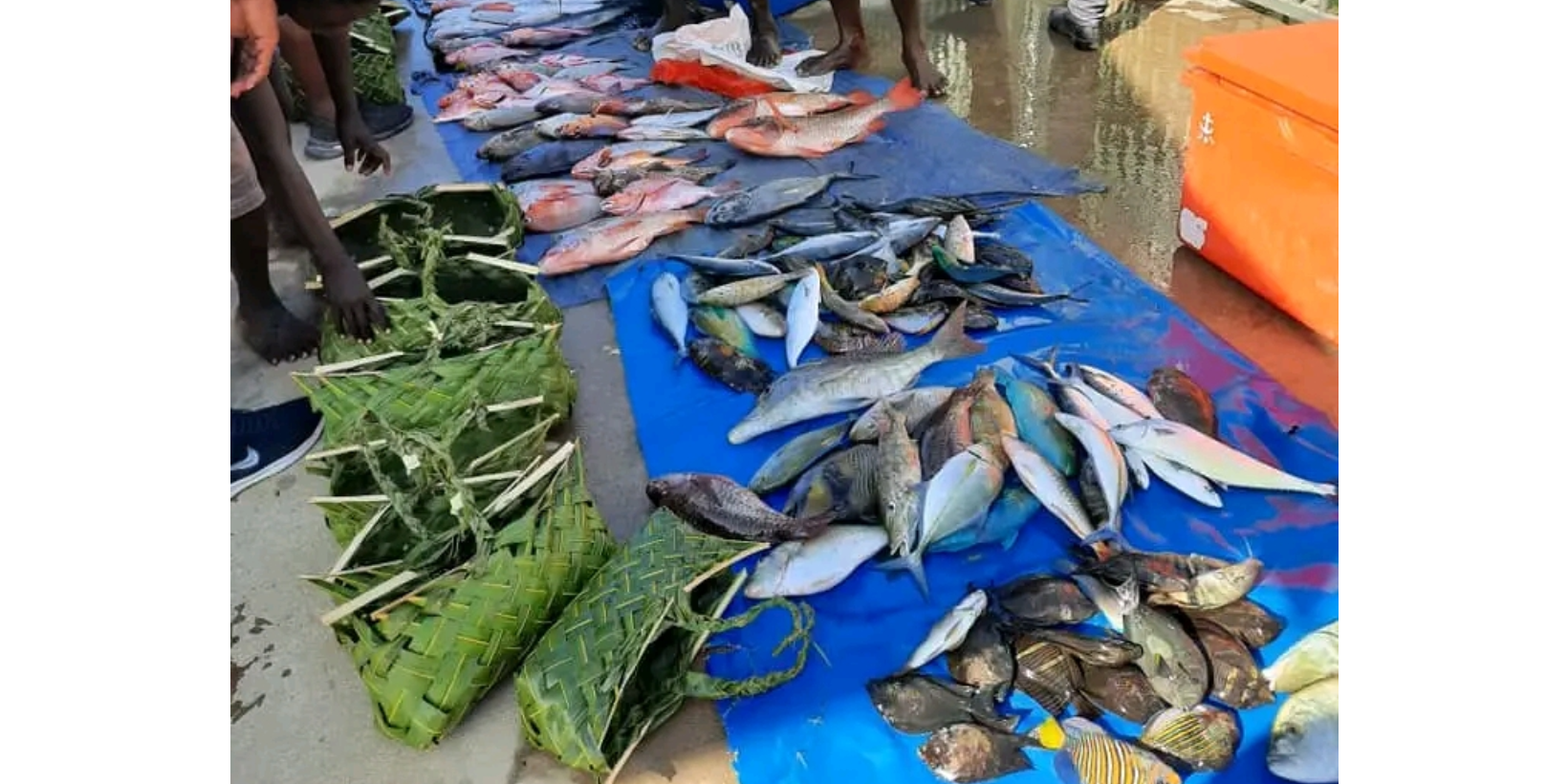
The Solomon Islands has been ranked 33rd in the world for fish consumption per capita in 2025, according to the latest global data on fish consumption by country.
According to Fish consumption by country 2025, the data shows that an average person in the Solomon Islands consumes 33.7 kilograms of fish per year, reflecting the nation’s strong dependence on fish as a primary source of protein and livelihood.
Island nations continue to dominate the top of the global list, with Iceland leading at 87.1 kg per capita, followed by Maldives (80.1 kg) and Kiribati (73.1 kg).
Other Pacific nations such as Tuvalu (48.5 kg), Micronesia (47.7 kg), Marshall Islands (43.9 kg), and Samoa (43.5 kg) also rank among the highest.
Neighboring Pacific countries including Vanuatu (29.5 kg) and Fiji (29.0 kg) fall slightly below Solomon Islands, while Australia (24.5 kg) and New Zealand (24.6 kg) record lower per capita fish consumption.
Globally, China remains the largest total consumer of fish, with over 60,000 kilotonnes annually, followed by India (12,554 kilotonnes) and Indonesia (11,365 kilotonnes).
However, small island nations far surpass these countries in per capita consumption.
The Solomon Islands Government, through the Ministry of Fisheries and Marine Resources (MFMR), continues to emphasize sustainable fisheries management as part of its national policy.
Initiatives such as community-based resource management programs and marine protected areas have been introduced to ensure fish stocks remain healthy and accessible for local communities.
These programs aim to balance food security, economic growth, and marine conservation—recognizing that fisheries are not only a vital food source but also central to rural livelihoods and the country’s economy.
Meanwhile, SolTuna’s Noro cannery in Western Province is one of Solomon Islands’ single largest export earners and employers.
In recent years SolTuna’s processing and exports (tuna loins, canned tuna and other processed fish) have accounted for a large share of the country’s processed-fish exports and a meaningful share of total export earnings (tens of millions of USD per year), plus hundreds–thousands of local jobs and export duties/revenue for government
By ULUTAH GINA
Solomon Star, Gizo