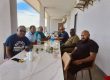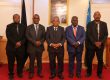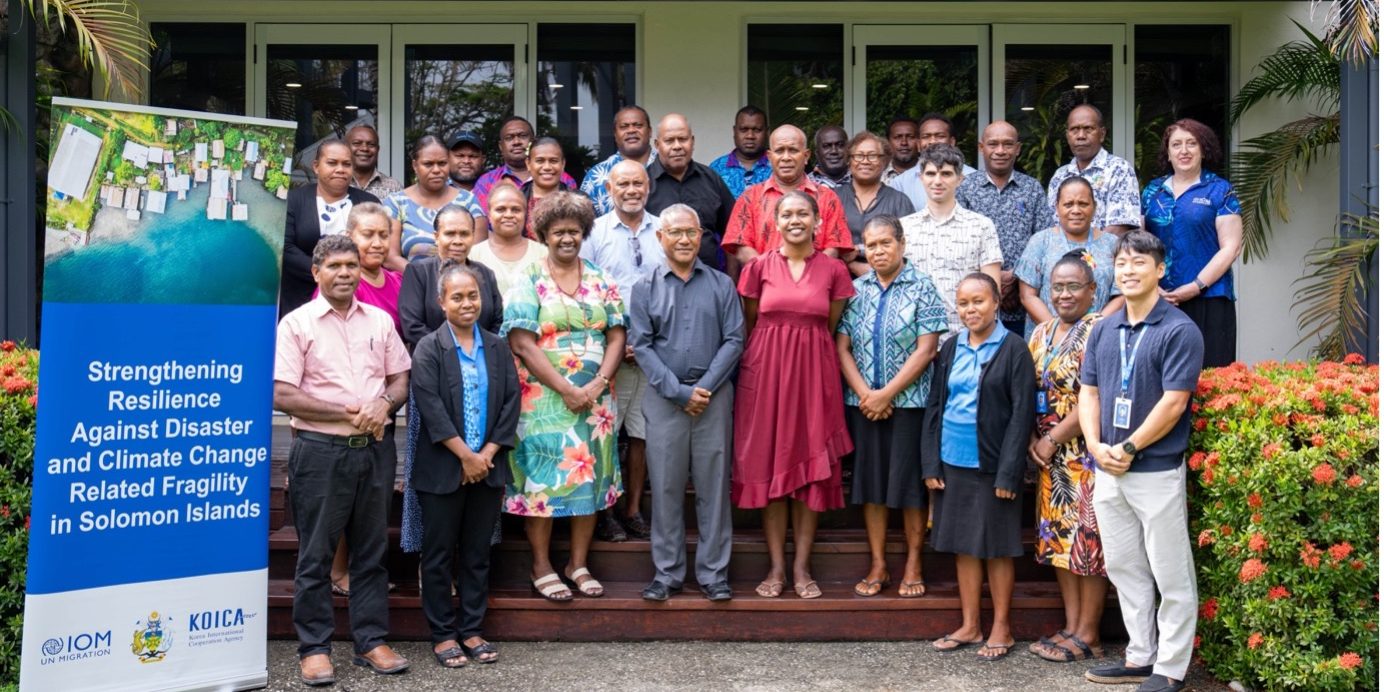
The International Organization for Migration (IOM) Solomon Islands hosted a Regional Experience-Sharing Workshop from 9 – 10 December on integrating climate change and human mobility into the national education curriculum of Solomon Islands.
The two-day workshop convened over 30 national and provincial government officials, education stakeholders, schools, domestic partners, and education experts from Solomon Islands, Fiji, Papua New Guinea, Vanuatu and the Republic of Korea.
Over the course of two days, participants shared their experiences, highlighted lessons learned and explored practical approaches to integrating climate change and human mobility into the national education curriculum.
Delivering the opening remarks, Dr. Franco Rodie, Permanent Secretary of the Ministry of Education and Human Resource Development (MEHRD), expressed appreciation for international support:
“On behalf of the Ministry of Education and the Government of Solomon Islands, I extend our warm welcome and gratitude to the Korea International Cooperation Agency (KOICA). Your support is not simply financing a workshop—it is investing in the safety, empowerment, and future of our people, particularly our children.”
Regional participants also highlighted the value of experience-sharing across Pacific countries. Mr. Gilbert Ikupu, Senior Curriculum Officer from the Ministry of Education of Papua New Guinea, noted:
“It was very valuable to learn about Solomon Islands’ efforts and to share our experience in integrating climate change into the education curriculum. As climate change increasingly affects human mobility across the Pacific, learning from other countries helps us strengthen our own approaches while supporting one another regionally.”
Throughout the workshop, participants exchanged case studies and practical examples, identifying key challenges, gaps and opportunities for curriculum development at both national and regional levels.
Reflecting on the workshop outcomes, Ms. Linda Manata Wate, Deputy Secretary for Teaching & Learning at MEHRD, emphasized the importance of regional collaboration:
“Over these past days, we have exchanged ideas, reflected on lived experiences, and identified pathways to help our education systems remain stable, inclusive and future-ready, even as climate change continues to reshape our communities and influence human mobility across the region. What we have shared here is more than information—it is connection, responsibility and hope.”
With support from KOICA, IOM and MEHRD will incorporate the information from the workshop to develop a costed work plan on integrating climate change and human mobility into the national education curriculum for grades 4 to 6.