Thirty Years of Children’s Rights in the Solomon Islands
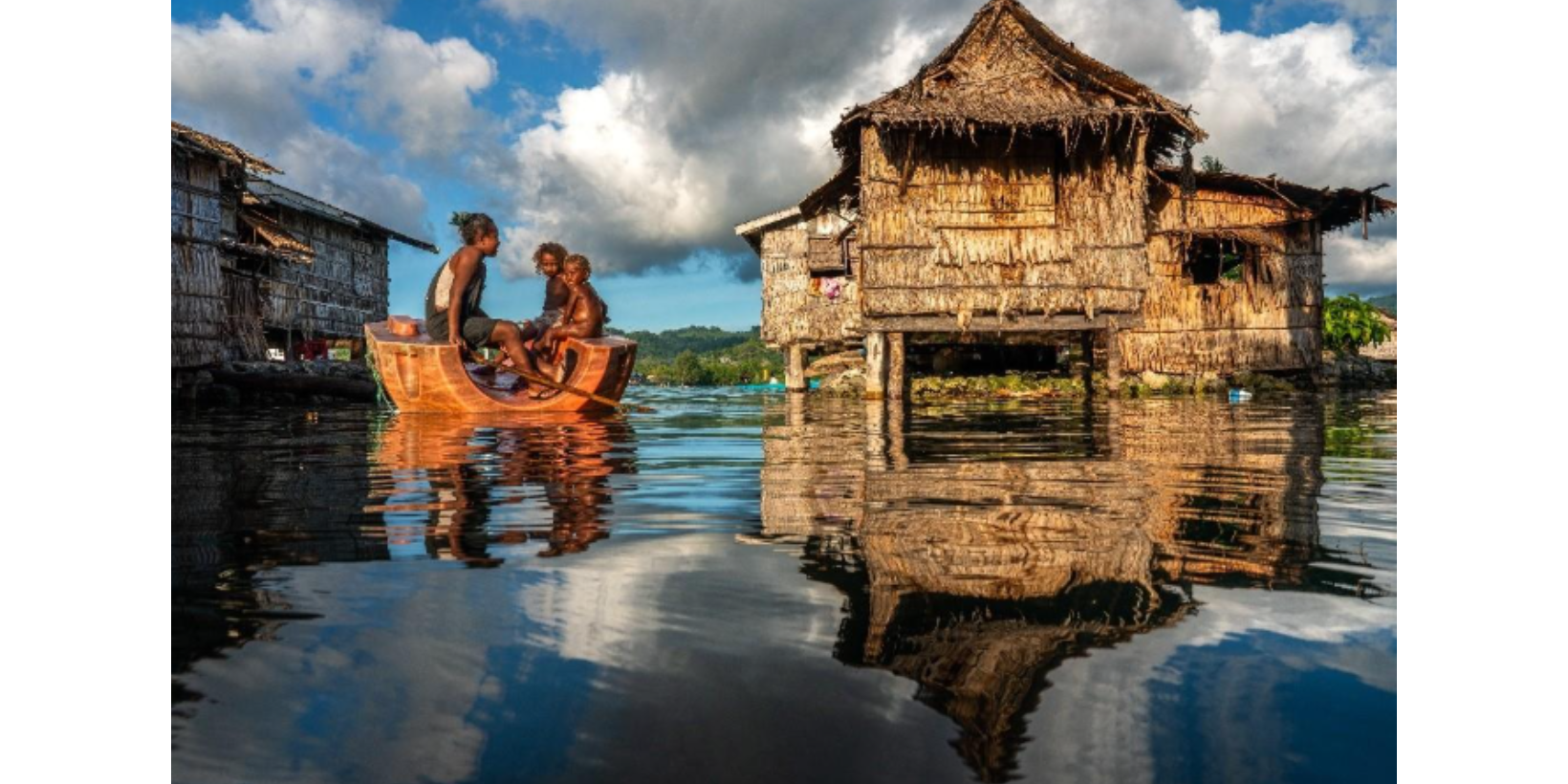
Thirty years ago, the Solomon Islands made a promise to its children.
Three decades on, that promise has shaped laws, institutions, and services that have improved the lives of thousands of children. Yet the journey from commitment to full realization remains unfinished.
In April 1995, our nation acceded to the United Nations Convention on the Rights of the Child (CRC), committing to protect every child’s right to survive, learn, be protected, and thrive.
Progress is visible. From education classrooms to health clinics, from courtrooms to community halls, children’s rights are now firmly embedded in national discourse. The establishment of the Children’s Development Division in 2002 under the Ministry of Women, Youth, Children and Family Affairs (MWYCFA) marked a turning point—providing coordination and leadership for child-focused policy and financing.
Since then, landmark legislation has strengthened protection and opportunity: the Family Protection Act, the Child and Family Welfare Act, amendments to the Penal Code and adoption laws, and most recently the Education Act 2023.
Together with the ratification of the CRC Optional Protocols and the Convention on the Rights of Persons with Disabilities, these reforms signal a clear message: children matter in national development.
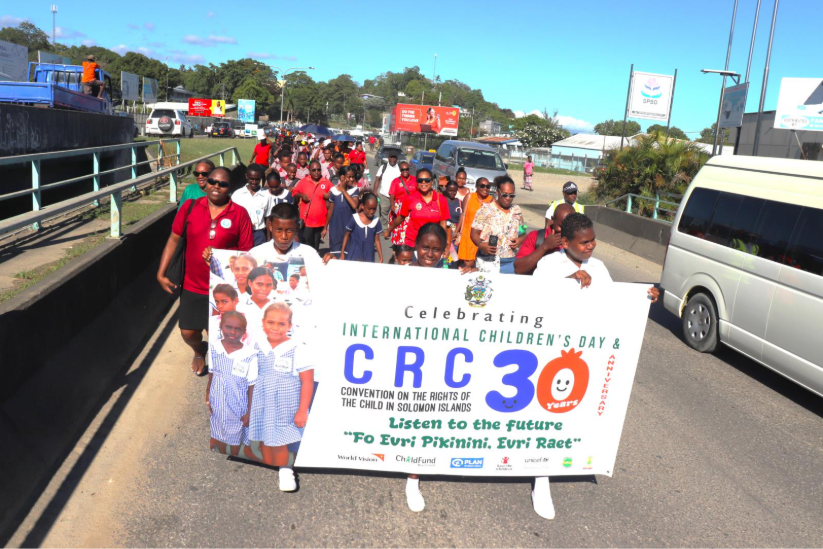
Education tells one of the clearest stories of progress. Primary school enrolment increased from 81 per cent in 2010 to 89 per cent in 2019, while secondary enrolment rose from 32 to 41 per cent. Early childhood education services have expanded across provinces, laying stronger foundations for learning and development.
Child protection systems have also evolved. What was once fragmented is now coordinated through a national framework. Trained welfare officers operate across provinces, supported by referral networks such as SafeNet. Birth registration—once a major gap—now covers more than 80 per cent of children, giving them legal identity and access to essential services. Child-sensitive justice mechanisms, including diversion programmes, are slowly reshaping how children encounter the law.
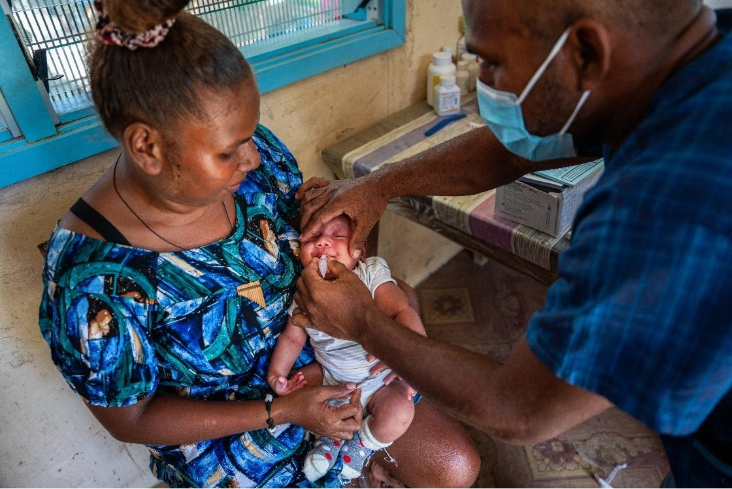
Health outcomes show similar gains. Infant and under-5 mortality rates have declined steadily since 1995, and neonatal deaths have nearly halved. Investments in water, sanitation and hygiene have expanded access to basic services for thousands of families, reducing preventable disease and improving child survival.
Perhaps most importantly, awareness of children’s rights has grown. Children are no longer seen only as beneficiaries of services, but as rights holders. Evidence has helped drive this shift: a recent UNICEF study estimated that violence against children costs the Solomon Islands economy SBD 1.1 billion annually. Nearly nine per cent of GDP. This stressed that protecting children is not only a moral imperative, but an economic one.
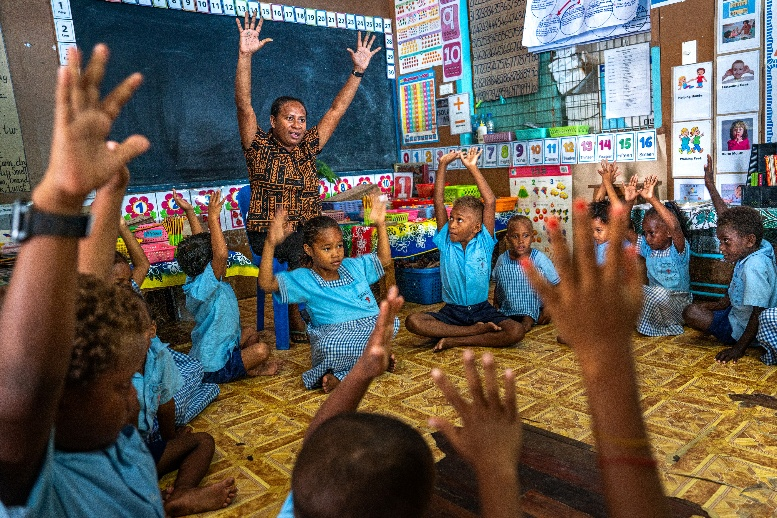
Yet progress has not reached every child.
Too many children in remote communities still struggle to access quality education, health care, and protection services. Data gaps limit our ability to target interventions effectively. Harmful practices, including corporal punishment, persist despite legal prohibitions. Climate change, urbanization, and economic pressures are introducing new risks. Displacement, food insecurity, and psychosocial stress are placing children at the front line of vulnerability.
Thirty years after ratifying the CRC, the question is no longer whether the Solomon Islands believes in children’s rights, but whether we are willing to do what it takes to realize them fully.
The next phase demands stronger child-centred data systems, equitable financing, consistent enforcement of child-rights laws, and child-sensitive climate and disaster planning. It requires sustained partnerships with churches, civil society, communities, and critically, children themselves.
As the Government, UNICEF and other child-focused organisations recommit to the CRC, the path forward is clear: the promise made in 1995 must continue to guide decisions today. Because the true measure of our progress will not be written in policies alone, but in the lives and futures of Solomon Islands children over the next 30 years. The next chapter must be defined not by intention alone, but by action—so that every child can survive, learn, be protected, and fulfil their full potential.
- UNICEF