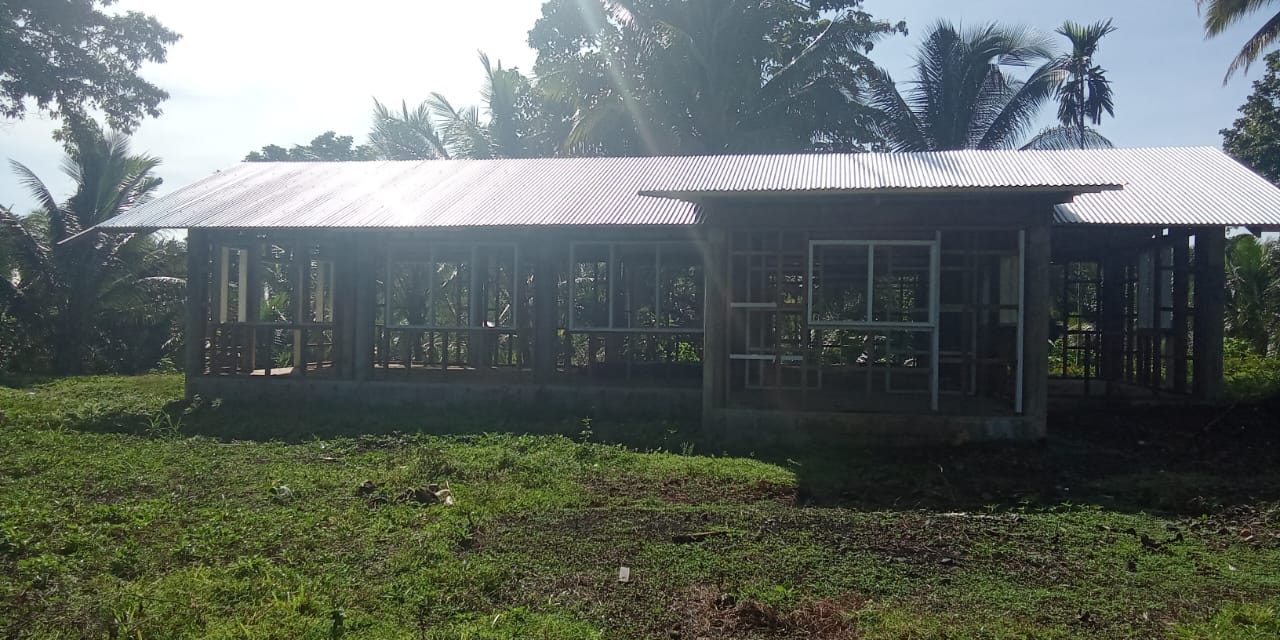
The establishment of Houses of Chiefs has been identified as a critical step in supporting the smooth progress of the Bina Harbour Development Project in West Kwaio Constituency, Malaita Province.
The Member of Parliament (MP) for West Kwaio Constituency, Honourable Claudius Teifi, made this call during a recent community meeting held at Busi’i, attended by representatives from the Constituency Development Committee (CDC), Ward Development Committees (WDC), community leaders, and other stakeholders during the Christmas break.
Hon. Teifi stressed that the House of Chiefs is a vital traditional institution that must be established ahead of major development activities, particularly the Bina Harbour project.
He said its primary role will be to address and resolve land-related disputes that could otherwise hinder development progress.
“The House of Chiefs is very important. It must be built first so that land issues can be settled properly before the Bina Harbour project fully operates,” Hon. Teifi said.
He explained that the initiative will cover all three wards within the West Kwaio Constituency—Ward 26, Ward 27, and Ward 28. Ward 28 is of particular importance, as it is where the Bina Harbour project is located.
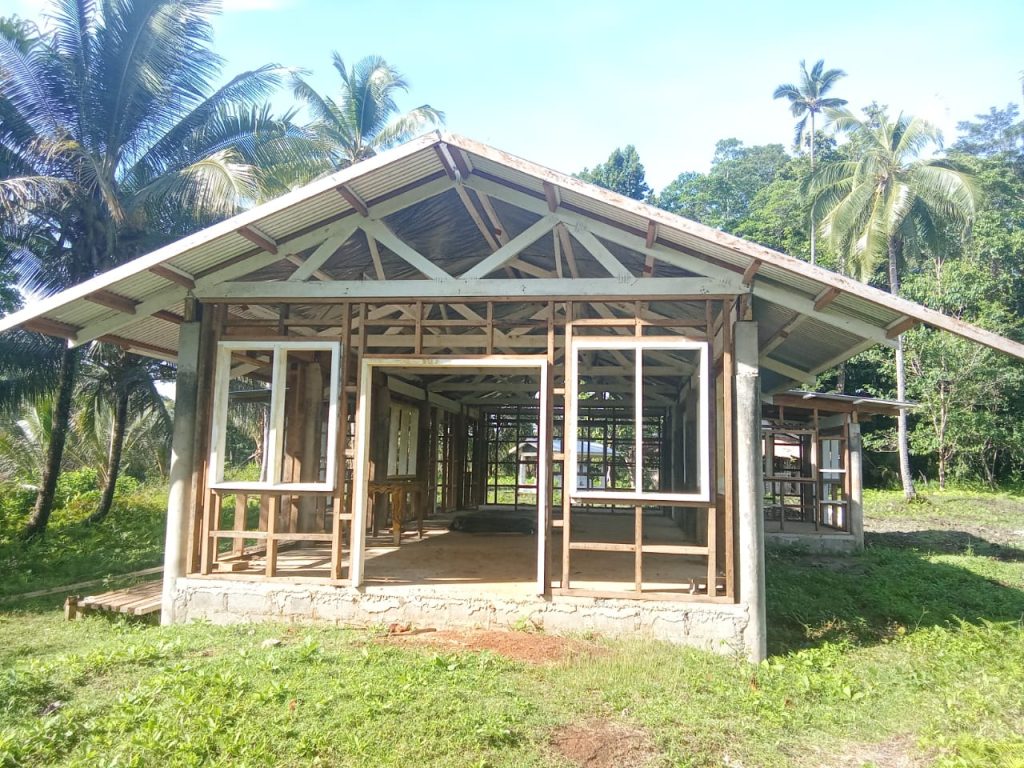
According to the MP, the proposed Ngarilasifono House of Chiefs will serve as a central forum where chiefs can work together in an organised and unbiased manner to address land ownership, boundary issues, shrines, and genealogies connected to the project area.
Hon. Teifi expressed concern that uncontrolled land sales could worsen in the future as development increases, potentially leaving local tribes without land near the coast.
He warned that, without proper safeguards, communities may be forced to relocate further inland into mountainous areas.
“We must prepare ourselves now to safeguard our children’s future,” he said.
“If we sell all our land near Bina Harbour, where will we live tomorrow?”
He called on all chiefs within West Kwaio Constituency and across the three wards to prepare themselves to handle future land challenges responsibly and realistically, without bias.
Hon. Teifi reassured chiefs that, as their elected representative, he is committed to supporting the construction of Houses of Chiefs to ensure land matters are resolved through traditional leadership before conflicts arise.
“I want our chiefs to sit together, straighten these issues, and clearly understand which groups own specific pieces of land,” he said. “This is how we prepare for national development and ensure that the Bina Harbour project flows smoothly for the benefit of our people.”
The move has been welcomed as a proactive step toward balancing customary land rights with national development aspirations in West Kwaio.
By Lesley Foinagwa
MASI Stringer