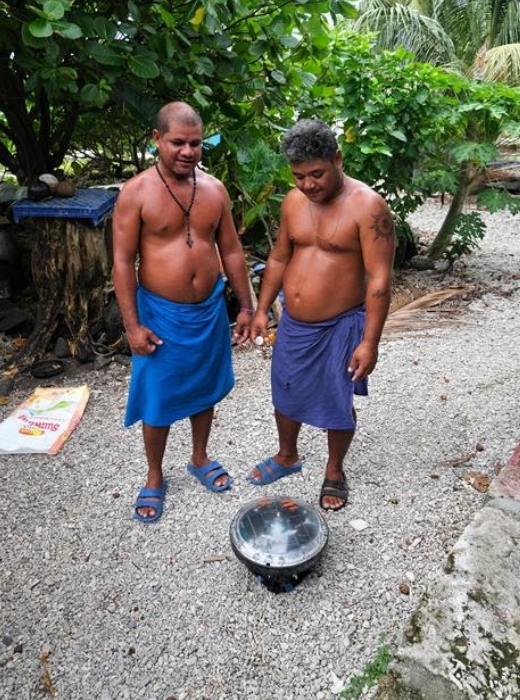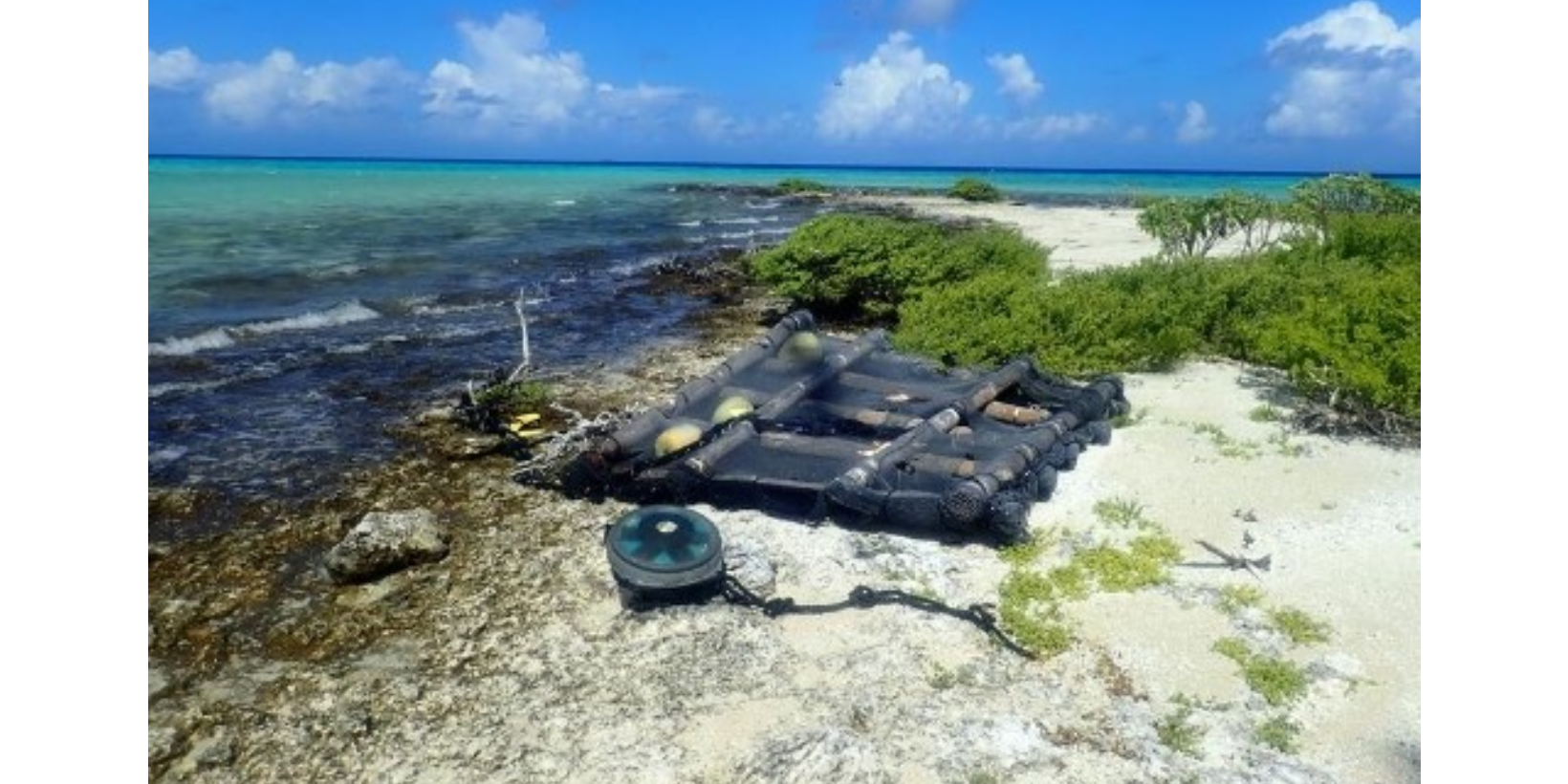
The Pacific Community (SPC) will host an international workshop in February next month aimed at addressing the growing problem of lost and abandoned drifting Fish Aggregating Devices (FADs) and their impacts on the Pacific Ocean.
The three-day workshop will be held from 9–11 February 2026 in Papeete, French Polynesia, and is expected to bring together around 100 participants from 30 countries.
Participants will include representatives from national governments, regional fisheries management organisations, the fishing industry, scientists, non-government organisations and coastal communities. Officials from SPC and the Inter-American Tropical Tuna Commission (IATTC) will also attend.
The workshop will be officially opened by the President of French Polynesia.
According to a recent statement from the Pacific Community (SPC) the meeting is being held at the intersection of the mandates of the Western and Central Pacific Fisheries Commission (WCPFC) and the IATTC, providing a unique regional platform to address the environmental and socio-economic impacts of drifting FAD loss and abandonment, particularly in coastal and reef ecosystems.
“Over the three days, participants will share practical strategies to reduce the loss and abandonment of FADs, improve data collection and monitoring, strengthen recovery programmes and promote collaborative mitigation efforts.
“Experiences from the Pacific, Indian and Atlantic Oceans will be shared, allowing participants to learn from different regions and identify best practices for managing drifting FADs,” it said.
The workshop is organised by SPC with support from the Directorate of Marine Resources of French Polynesia (DRM), the International Seafood Sustainability Foundation (ISSF), The Nature Conservancy (TNC), the IATTC, the American Tunaboat Association (ATA), Bolton Food, Tri Marine, Satlink, Zunibal, Marine Instruments and Tunacons.
The event forms part of the SPC regional project titled “Assessment of the impacts of drifting Fish Aggregating Devices on the marine environment in Pacific Island Countries: recommendations for mitigation strategies” (2024–2026).
The project is funded by the World Bank through the Pacific Ocean Advisory Program (POAP) and the PROBLUE Multi-Donor Trust Fund.
By ULUTAH GINA
Solomon Star, Gizo
Photos Supplied