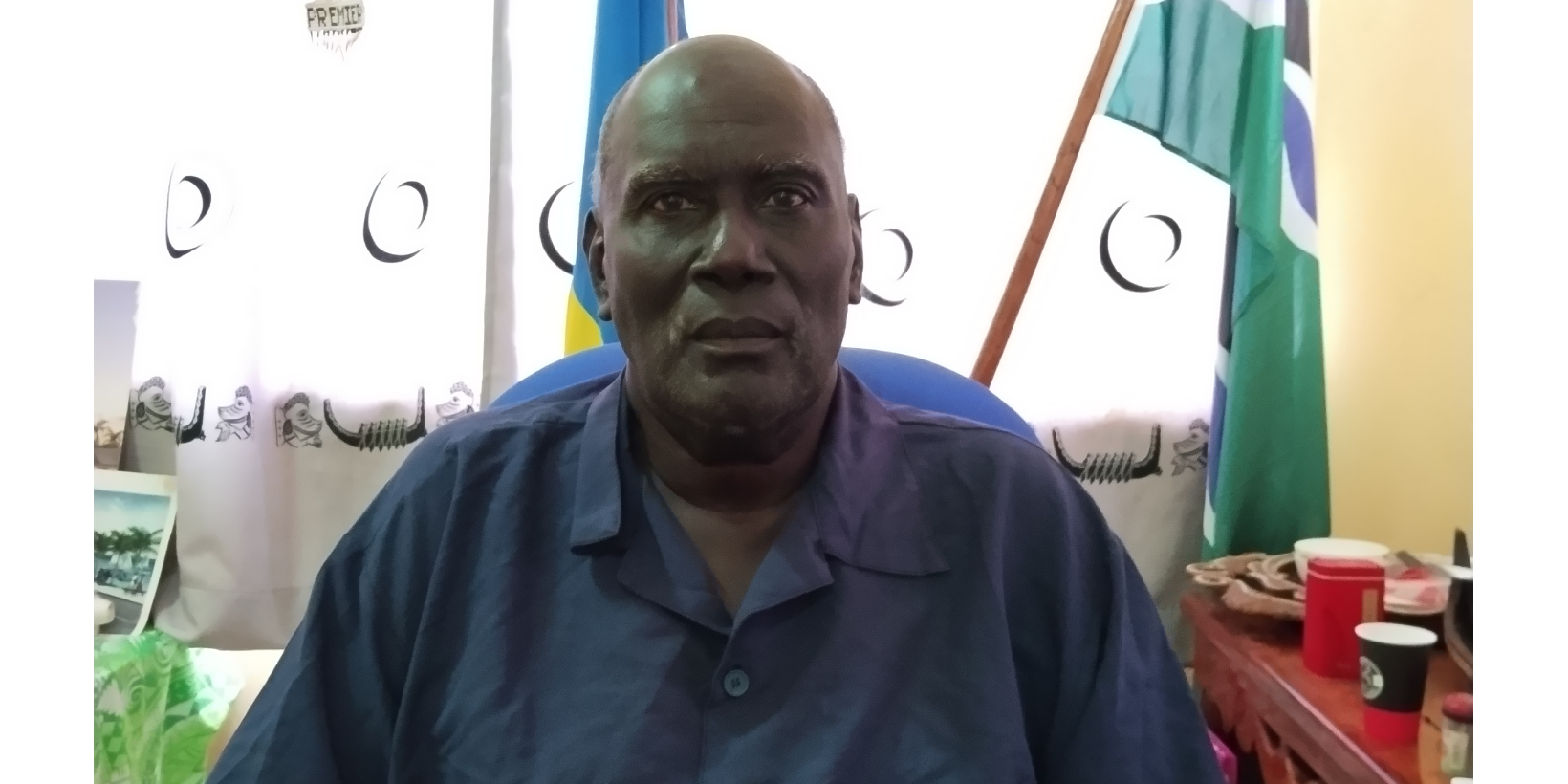
Western Provincial Premier Billy Veo has called for a fundamental shift in how infrastructure is planned and delivered in Western Province, urging leaders to see roads not merely as public works, but as the foundation of economic transformation.
Speaking at the official opening of the newly tar-sealed Noro road last Friday in Noro, Veo described Noro as the country’s second economic hub after Honiara.
He thanked the National Government and the World Bank under the Solomon Islands Infrastructure Program (SIRAP) for recognizing Noro’s strategic importance.
Drawing from observations during a recent visit to China, Veo shared a simple development philosophy: “If you want to get rich, build roads first.”
He outlined four guiding principles for future development: pragmatism, connectivity, centralization, and holistic integration.
Veo stressed that infrastructure must deliver measurable results, reduce geographic isolation, and be guided by strong planning.
“Most importantly, roads must directly support tourism, agriculture, fisheries, poverty reduction, and social services.l,” he said.
Despite significant national infrastructure spending over the past decade, Veo questioned whether real progress has been achieved across productive and social sectors.
A road alone, he said, is not enough. It must connect farmers, fishers, and tourism operators to markets and supply chains.
He called for closer collaboration between infrastructure planners and key economic sectors to maximize limited resources.
Future projects, he added, must be backed by thorough socio-economic analysis, environmental assessment, and climate resilience planning.
The Noro road project marks a milestone for Western Province, signaling a new era where infrastructure is expected to drive sustainable growth and long-term resilience.
By ULUTAH GINA
Solomon Star, Gizo