The escalating conflict involving the United States, Israel and Iran is no distant geopolitical event.
It is an immediate and serious economic threat to the people of the Solomon Islands.
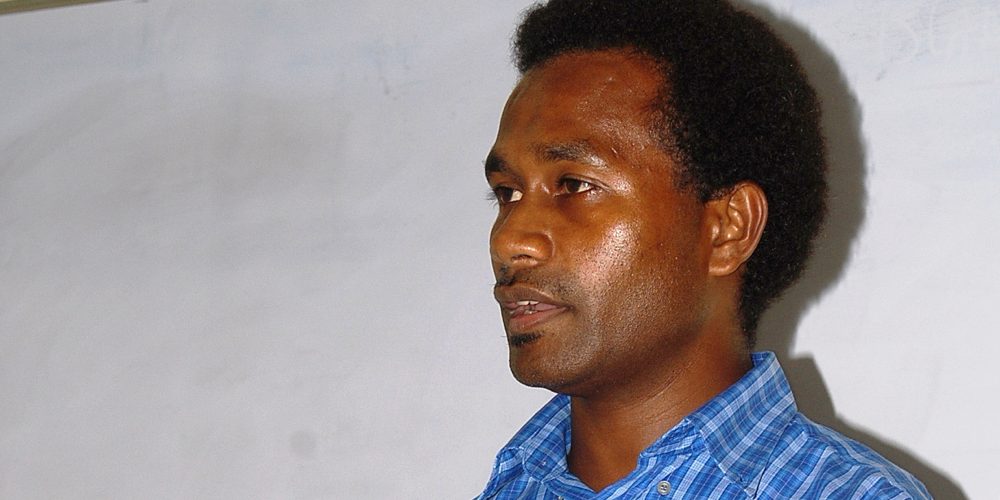
That’s according to Martin B. Housanau a local economist now based in Ebeye, Marshall Islands.
“When war disrupts oil production and shipping routes in the Middle East, global oil prices surge.
“Markets react to uncertainty. Insurance costs rise. Freight charges increase,” he said.
He explained that for Solomon Islands, a nation that depends almost entirely on imported fuel and goods, these global shocks quickly become domestic hardships.
The consequences are clear:
1) Rising fuel prices at the pump.
2) Higher transport and shipping costs.
3) Increased electricity generation expenses.
4) Escalating food and commodity prices.
5) Growing inflation and reduced household purchasing power.
“This is not speculation — it is economic reality for small island developing states exposed to global supply chains.
“If the conflict continues or intensifies, the country could face prolonged inflationary pressure, strain on foreign reserves, and increasing stress on government finances.
“Small businesses may struggle. Rural communities may bear the brunt of rising fuel and transport costs. Vulnerable households will suffer first and hardest,” he said.
He said, the call now is on the Government to urgently:
– Activate contingency plans to manage fuel price volatility;
– Protect vulnerable households through targeted support measures;
– Ensure transparency in fuel pricing and supply management;
– Strengthen fiscal discipline while preparing emergency buffers;
– Accelerate investment in renewable energy to reduce dependence on imported diesel.
Mr Housanau said, this crisis must serve as a wake-up call. “The Solomon Islands cannot continue to remain structurally vulnerable to external shocks. Economic resilience must become a national priority.
“The war may be thousands of kilometres away, but its economic impact will be felt in every province, every market, and every household.
“Preparedness, transparency, and decisive leadership are essential now to safeguard our people and our economy,” he said.