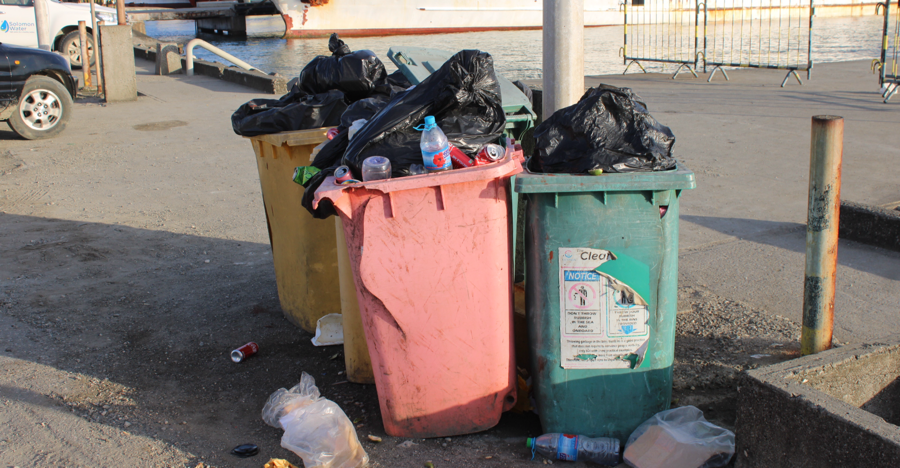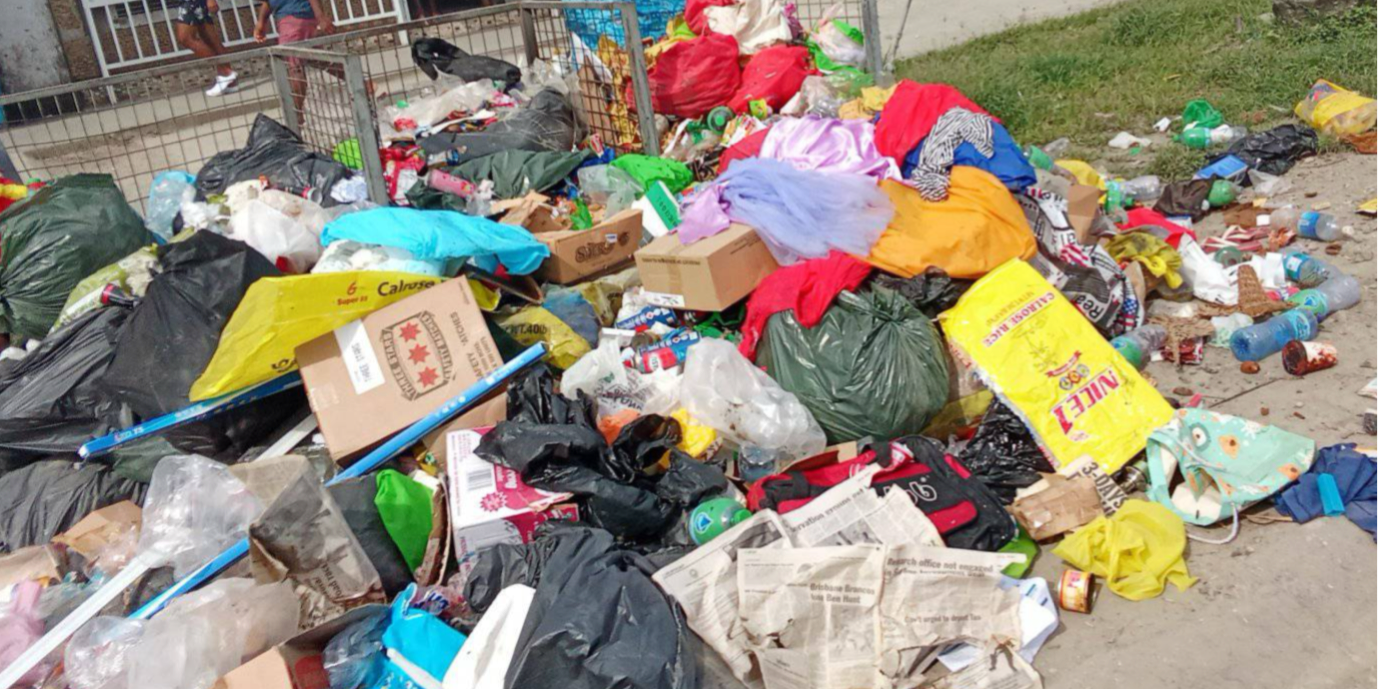
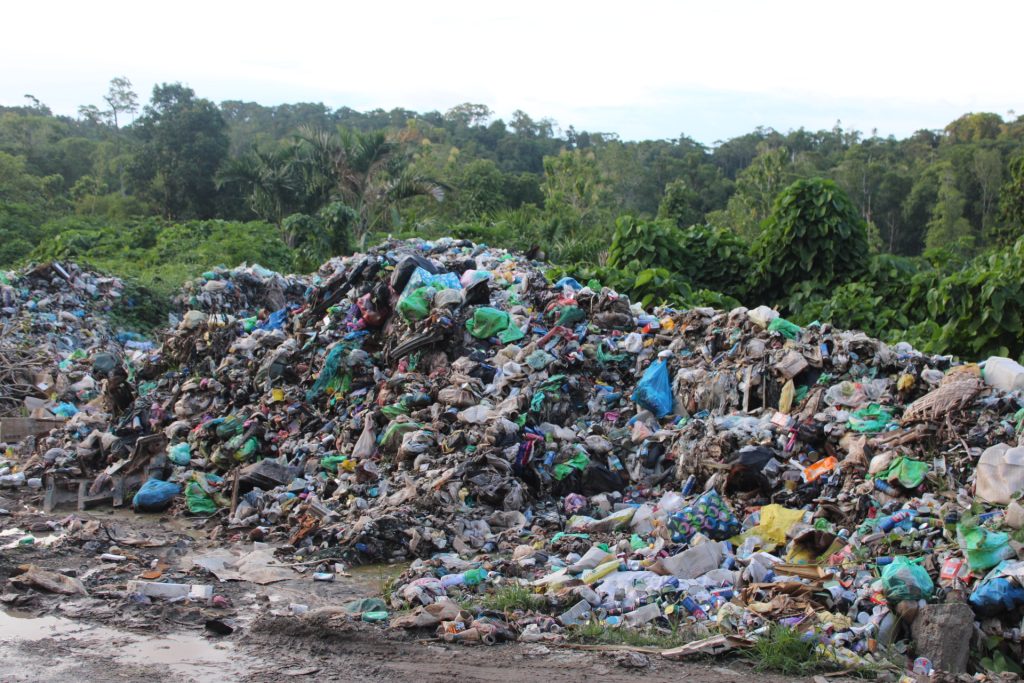
Honiara’s garbage problem is growing and an Asian Development Bank study estimated that Honiara’s residents generate about 80 tons of solid waste every day, a figure expected to double in coming decades unless addressed.
Yet municipal collection reaches only a limited portion of the households leaving large quantity of waste uncollected.
This results in roadside heaps and informal dumps smolder in open burning, sending smoke and disease vectors into neighborhoods.
The main Ranadi dump is already over capacity with damaged leachate ponds, so rainwater washes pollutants into waterways and uncontrolled fires periodically flare. In short, Honiara is reaching a crisis point.
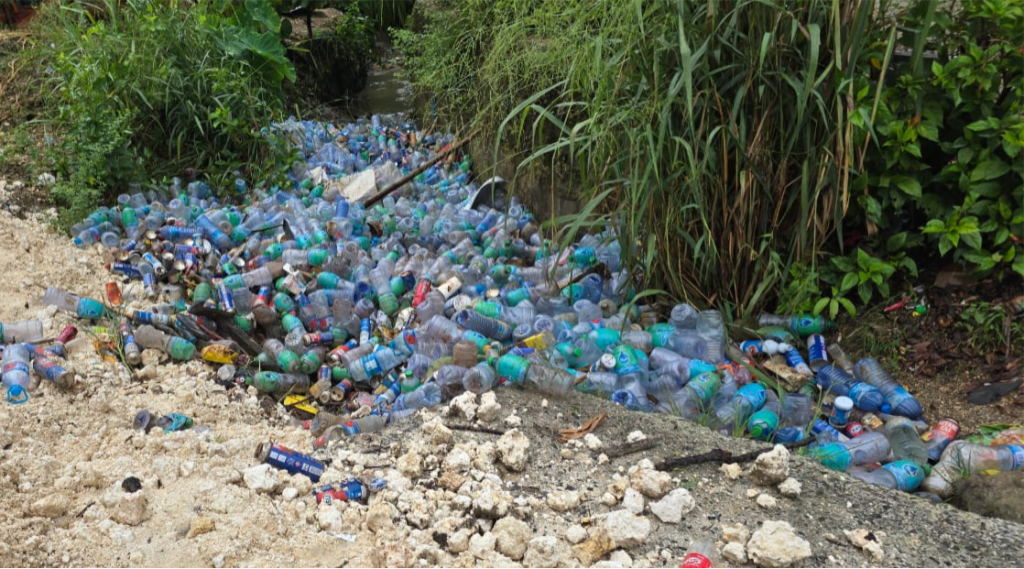
Experts have warned that unmanaged waste not only contributes to environmental degradation but is also a huge risk to public health. including flooding due to clogged drains with trash and increased mosquito-borne diseases such as dengue, which has affected the city in past outbreaks.
Honiara must upgrade its waste infrastructure to efficiently manage its waste and avoid catastrophic impact of management. Improved garbage collection and its sorting pay a key role in management, but incineration technologies can play a key role in disposal.
Unlike primitive burning, engineered incinerators operate at high heat under strict controls. These can safely treat municipal, medical, and plastic waste, reducing the waste volume and also destroys the pathogens.
Studies indicates that a well-designed incinerator can reduce the waste volume by about 90%, converting the garbage into ash. This reduces the land space required in landfill site and also reduces the risk of disease transmission.
Also the heat released during this process can be harnessed to produce electricity or steam. Modern incineration plants have advanced air-pollution control systems that can neutralize acidic gases and remove over 99% of particulate matter.
Proper temperature control and flue-gas treatment minimize the dioxins. Using incineration along waste collection and recycling, can help manage Honiara’s waste problem with lower environmental impact.
Key benefits of incineration are:
- Volume reduction: Waste volume reduces by about 90% and amount of material that goes into goes to landfill or open dump also reduces.
- Pathogen and pollutant destruction: Pathogen and hazardous components the waste are destroyed at high temperatures.
- Energy recovery: Incineration process generates heat that can be captured to generate power or heat.
- Emissions control: Advanced pollution control devices ensures that particulate is removed (>99%) and scrubbing neutralizes acids. Ensuring that regulatory standards are met.
With these advantages, incineration would shift Honiara’s waste from an out-of-control problem toward a managed one.
Solomon Islands already has local example where health authorities have installed a hospital incinerator at Tulagi to handle medical waste safely.
This was funded by the World Bank and a World Bank Health Specialist Wayne Irava praised it by saying that “With the new incinerator, you now have the means to manage waste responsibly and sustainably, ensuring the hazardous materials are handled with care and with the precision they demand. It is an investment not only for the safety of the community but for the health of our environment.”
As part of a major upgrade to Kilu’ufi Hospital, a new medical waste incinerator is planned to improve clinical waste treatment and reduce onsite open burning of hazardous.
These cases show even small communities can deploy engineered incinerators to great effect.
Scaling up, a well-engineered municipal waste-to-energy plant could mass-burn cities the waste with energy recovery. These are common in Europe and Japan, where the unsorted waste is fed onto a sloping moving grate, where it burns with forced air to generate steam for power.
Whatever the design, leading engineering firms (for example, India’s Mc Clelland Engineers, which has supplied industrial and hospital incinerators for decades) ensure these systems include multi-stage flue gas cleaning.
They point out that properly designed units can meet rigorous emission rules while running continuously on diverse waste streams.
Implementing incineration in Honiara would involve:
- Building or upgrading a controlled facility away from residences. Use local labor and even add modest power generation to Honiara’s grid.
- Improved waste collection and sorting ensures only non-recyclables or contaminated waste needs to be incinerated.
- Daily monitoring of emissions to comply with regulatory norms and ash handling would protect health.
Crucially, community buy-in matters. Environmental officials have long stressed that poor attitudes toward waste disposal remain one of Honiara’s biggest challenges.
An incinerator alone won’t solve everything if residents keep dumping illegally.
However, by raising awareness of how garbage can literally power the city, authorities can link citizen action with technology.
In practice, global experience supports this balanced approach. High density cities like Taipei, Stockholm or Singapore rely on waste to energy incinerators to manage their municipal waste. Many countries with limited land have embraced incineration.
Ultimately, Honiara’s waste challenge can become an opportunity. With improved waste collection and waste management methodology, the amount of unmanaged waste in the city can be reduce drastically.
Also harnessing energy from the waste can be used to power the homes and industries would be a win for cleanliness and climate.
The goal is a responsible, sustainable system. With careful planning and experienced technical partners, Honiara can turn its waste problem into a useful resource, showing the world that even a Pacific capital can adopt cleaner and more resilient urban waste solutions.
By Asiya Muhammed Kochuveettil,
Mc Clelland Engineers Pvt. Ltd.
Note about the author: Asiya Muhammed Kochuveettil is associated with Mc Clelland Engineers Pvt Ltd., a leading manufacturer of engineered incineration systems for hazardous waste. With a background in research and a commitment to sustainable industrial practices, she brings a cross-functional perspective to compliance, environmental safety, and operational infrastructure.