To explore how journalism can better reflect Pacific perspectives in conservation reporting
By ASSUMPTA BUCHANAN
In Suva, Fiji
Journalists and media practitioners from across the Pacific are gathering in Suva this week for a regional symposium aimed at strengthening inclusive and culturally grounded reporting on environmental issues.
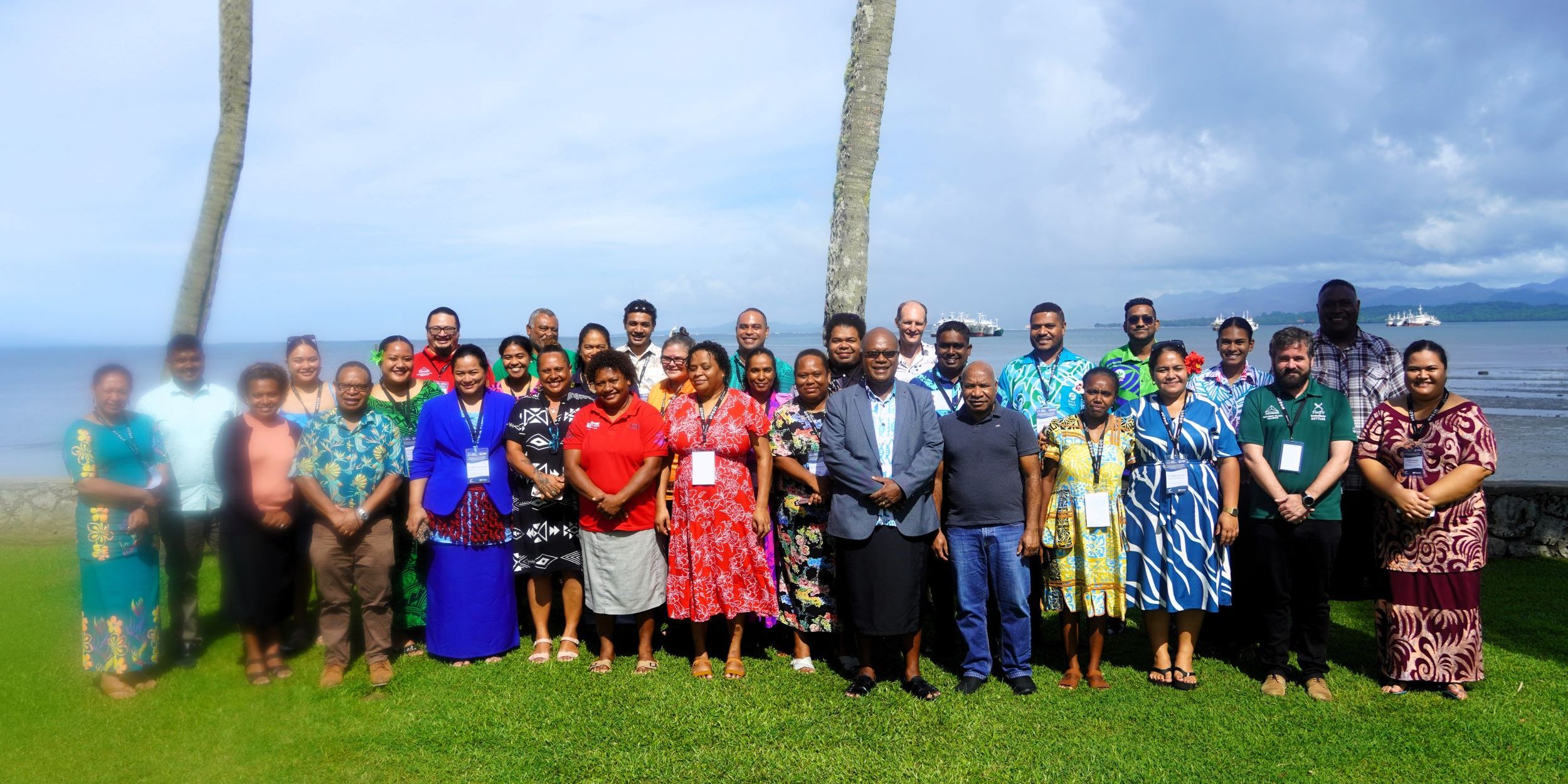
The five-day event, titled “Empowering Pacific Narratives: GEDSI and Traditional Knowledge in Invasive Species Communications Capacity Building Symposium,” brings together media professionals, communications specialists, non-government organisations (NGOs), regional partner agencies and community representatives to explore how journalism can better reflect Pacific perspectives in conservation reporting.
Organised under the Pacific Regional Invasive Species Management Support Service (PRISMSS) through the Secretariat of the Pacific Regional Environment Programme (SPREP), the symposium focuses on improving the way stories about invasive species and biodiversity protection are told across the region.
Opening the symposium, Director of the Biodiversity Conservation Programme (BCP) at SPREP, Mr Amenatave Yauvoli, said the gathering comes at a time when the world is facing what scientists describe as a “triple planetary crisis”, climate change, biodiversity loss and pollution.
“Our biodiversity is facing rapid destruction of habitats and species extinction, higher than natural rates, and can cause ecosystem collapse and massive biodiversity loss, driven by various factors, and one of which is the principal focus of this week’s symposium, the threats imposed by invasive species” Mr Yauvoli said.
He noted that invasive species remain one of the major drivers of biodiversity loss in the Pacific, posing serious threats to island ecosystems and the livelihoods of communities that depend on them.
Mr Yauvoli said the symposium brings together representatives from Pacific media, communications professionals, NGOs, regional crop agencies and community groups to strengthen skills in applying a Gender Equality, Disability and Social Inclusion (GEDSI) and Traditional Knowledge (TK) lens to environmental reporting.
“This symposium is not only about technical skills, it is about voices and values. By embedding GEDSI into our communications, we ensure that women, youth, people with disabilities and marginalized groups are recognised not only as beneficiaries, but as leaders and advocates in the conservation space,” he said.
Participants are taking part in workshops, panel discussions and practical exercises designed to help journalists apply GEDSI and Traditional Knowledge perspectives in their reporting while ensuring stories reflect both scientific accuracy and community experiences.
The training emphasises a people-centred approach to storytelling, encouraging media practitioners to highlight the voices of communities most affected by environmental challenges.
Mr Yauvoli said the media has a critical role in bridging the gap between research, policy and communities by amplifying diverse voices in ways that are culturally respectful and engaging.
Across the Pacific, invasive species have continued to damage ecosystems, with invasive weeds choking agricultural lands and predators such as rats and feral cats threatening native wildlife and seabird populations.
However, he noted that collaborative conservation efforts across the region are producing positive results.
“It is encouraging to note that more than 100 islands across the Pacific have already been declared predator-free, leading to the rapid recovery of seabird populations and healthier reef systems,” Mr Yauvoli said.
Participants will also undertake a field visit to the Colo-i-Suva Forest Park during the symposium to observe firsthand the impact of invasive species on native biodiversity and learn about conservation efforts being implemented by Fiji’s Forestry Research Division.
The symposium will also feature the inaugural PRISMSS Restoring Island Resilience Awards, recognising Pacific NGOs that are working to combat invasive species and protect island ecosystems.
Organisers say the training is expected to strengthen collaboration among journalists, regional partners, government representatives and community groups, while also helping establish a Pacific media network focused on invasive species reporting and environmental storytelling.
The initiative forms part of broader efforts by PRISMSS and its partners to support Pacific Island countries and territories in managing invasive species threats while promoting biodiversity protection and community resilience.