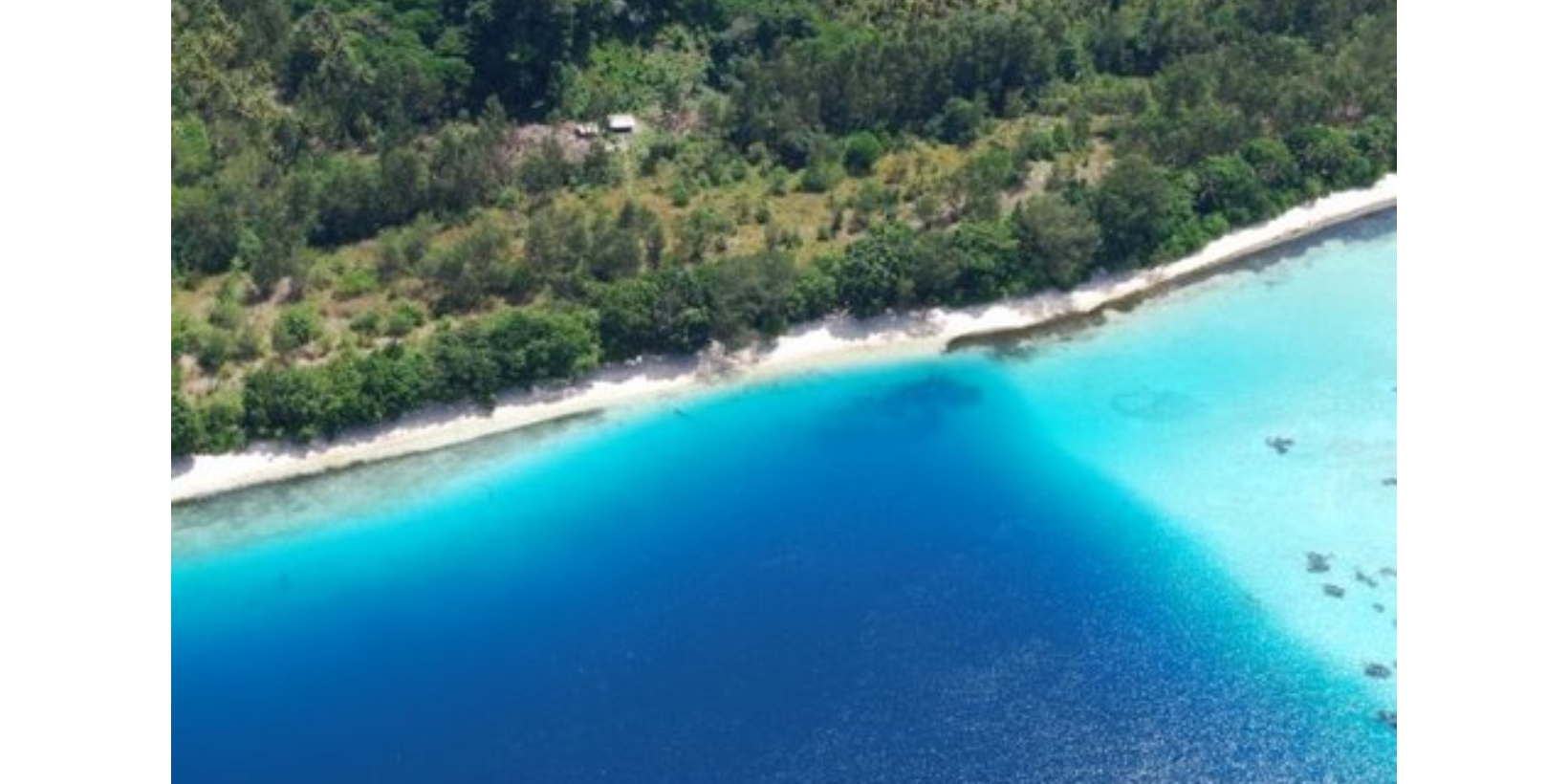
The Solomon Islands Government (SIG) wants to bypass Dutch national John Meint Smith, who claims to hold an Irrevocable Power of Attorney (IPA) over Anuha Island in Central Province.
Smith is willing to end the 38-year closure of one of the Pacific’s most scenic islands, Anuha Island Resort, by offering a 75-year lease to SIG for redevelopment.
However, he said this can only happen if the government pays him SBD$170 million (AUD$30 million) as compensation for a 20-year warrant of arrest issued against him and for reputational damage to his family.
“The warrant of arrest was lifted in 2008 after my late lawyer, Andrew Nori, helped me in court,” Smith told Solomon Star from Brisbane, Australia.
“From the AUD$30 million, AUD$20 million would compensate me for the 20-year warrant, and AUD$10 million would compensate my family for the tarnishing of my name.”
The Ministry of Culture and Tourism, however, said Smith’s claim has already been dealt with in High Court Civil Case No. 161 of 1999.
“There is no record of him challenging the High Court decision. The issue of his so-called Power of Attorney has been adequately addressed by the court,” the ministry said.
The Solomon Star also contacted Christian Siale, Deputy Secretary for the Productive Sector in the Prime Minister’s Office, who facilitated discussions with Tulagi landowners that led to an agreement handed to Central Province Premier Kenneth Sagupari on 10 July 2025.
Siale declined to comment, but said trustees would arrive in Honiara this week to discuss the Anuha Island issue.
However, Smith alleged that Siale changed the ownership of Anuha at the Ministry of Lands, Housing and Survey to Brendan Soesole Pule, Francis Gela, Victor Dikea and Victor Pule as joint owners on 25th November 2025, without consulting him.
“I think this is amounting to fraud,” Smith alleged.
He said no development will take place until he grants the lease to the government and receives compensation.
He added that investors such as Australian Airline SkyAirWorld and Solomon Islands Resorts Limited have previously attempted redevelopment but abandoned talks after consulting him.
“The only solution to reopen Anuha is for the government to deal with me,” he said.
Smith said Late Fr Pule did not has a will so he gave him the IPA to look after Anuha Island.
The 1999 High Court ruling, delivered by former Judge David Chetwynd, dismissed Smith’s application for a Grant of Letters of Administration for the estate of the late Fr Robert T Pule, and granted the estate to the Public Trustee.
The court also ordered Smith to pay the Public Trustee’s costs.
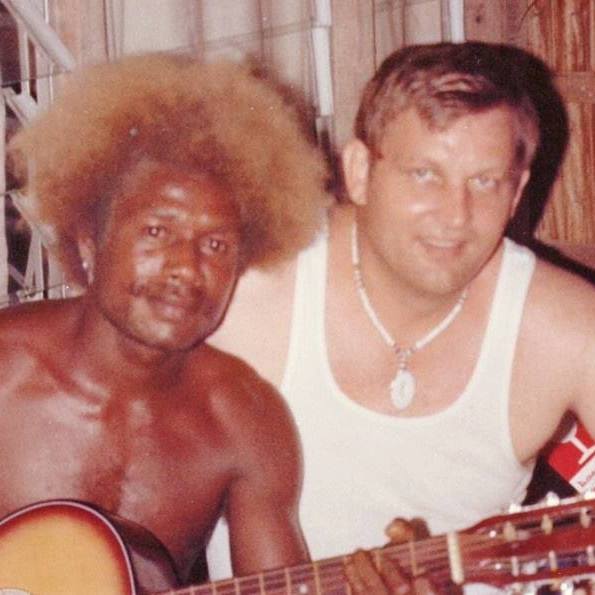
Judge Chetwynd explained that Smith based his application solely on the Power of Attorney given by Fr Pule while alive.
“I need make no comments on whether the grant was valid or formalities were complied with. The Power of Attorney dies with the principal,” he said.
The court found that under Sections 126–128 of the Law of Property Act 1925, a Power of Attorney is revoked on death unless specific conditions are met—none of which applied to Smith’s case.
Smith, however, maintains the court erred because he holds Irrevocable Power of Attorney and not Power of Attorney.
He said the IPA, granted by Fr Pule to protect his tribe from past SIG government pressures, remains valid.
“The redevelopment of Anuha depends on me, not the court,” he said.
Anuha Island Resort was first developed and managed in 1983 by Queensland-based businessmen John Donnelly and Peter Cornish.
The resort became a major tourism destination, hosting international celebrities, with its own airline, charter boat fleet, electricity, and water supply.
Ownership has changed hands several times over the years.
With redevelopment plans stalled, SIG now faces the challenge of balancing legal precedent, tribal rights, and Smith’s demands to reopen Anuha Island to tourism.