Government through the Ministry of Health and Medical Services has unveiled a flagship initiative to expand access to assistive technology and rehabilitation services for school-aged children in the Solomon Islands who are facing challenges related to vision, hearing and movement.
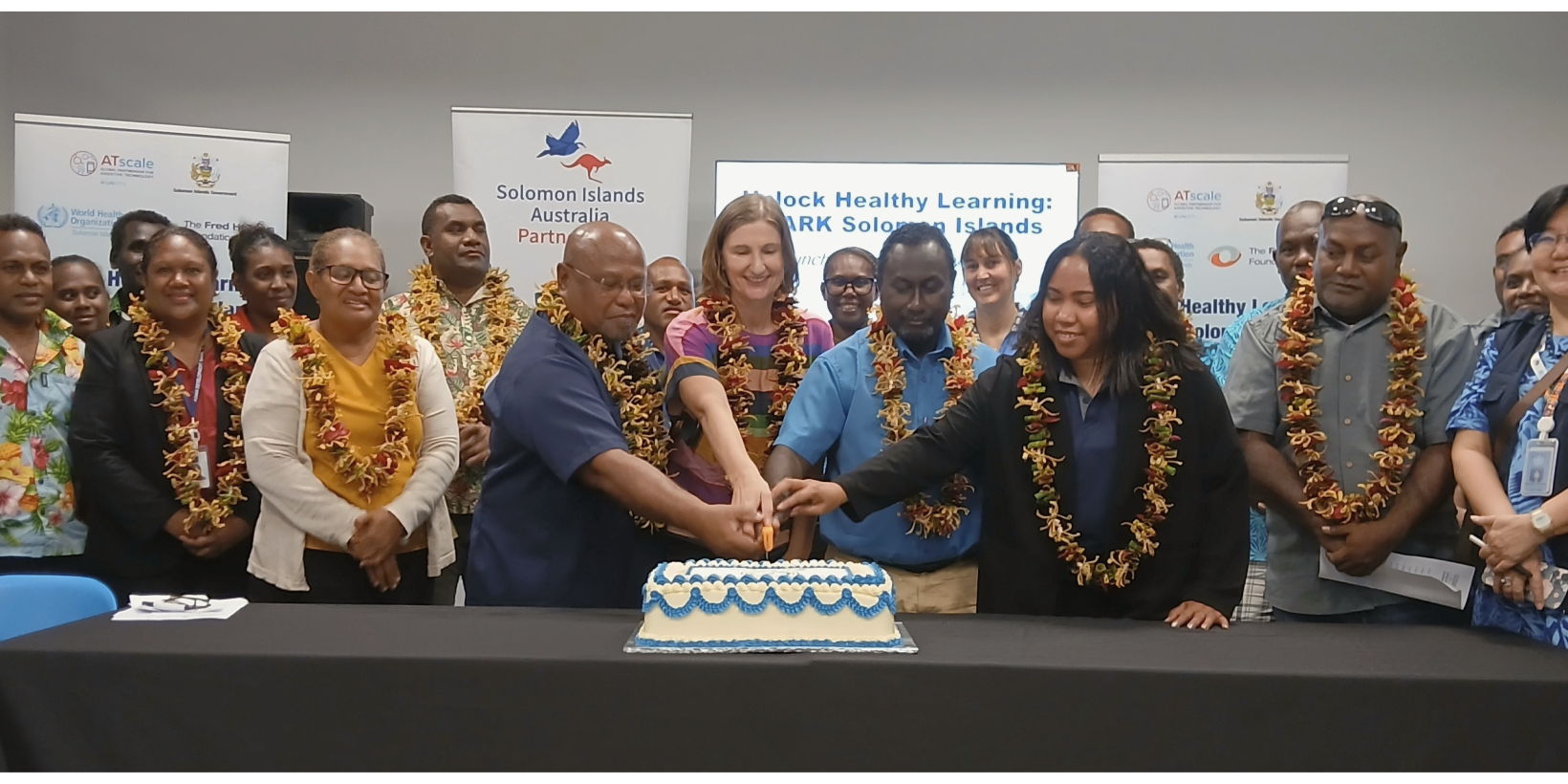
The launching was held on Tuesday 3rd of February 2026 at the Aquatic Centre, East Honiara.
The project, branded Unlock Healthy Learning: SPARK Solomon Islands, is supported by the World Health Organisation, the Fred Hollows Foundation, ATscale, the UNDP, and the Australian Government.
It aims to ensure that children with vision, hearing and mobility needs can participate fully in school life.
The official launch programme was witnessed by officials from the government and international partners.
Elsie Taloafiri, Director of National Rehabilitation and Disability Services, in her welcome remarks stated the importance of the of the programme.
“This is an important moment for Solomon Islands,” she said, stressing that assistive technology is essential for children who struggle to see the blackboard, hear the teacher or move safely.
“When barriers are removed, the impact is transformational — not only for the child, but for families, schools and communities as well.”
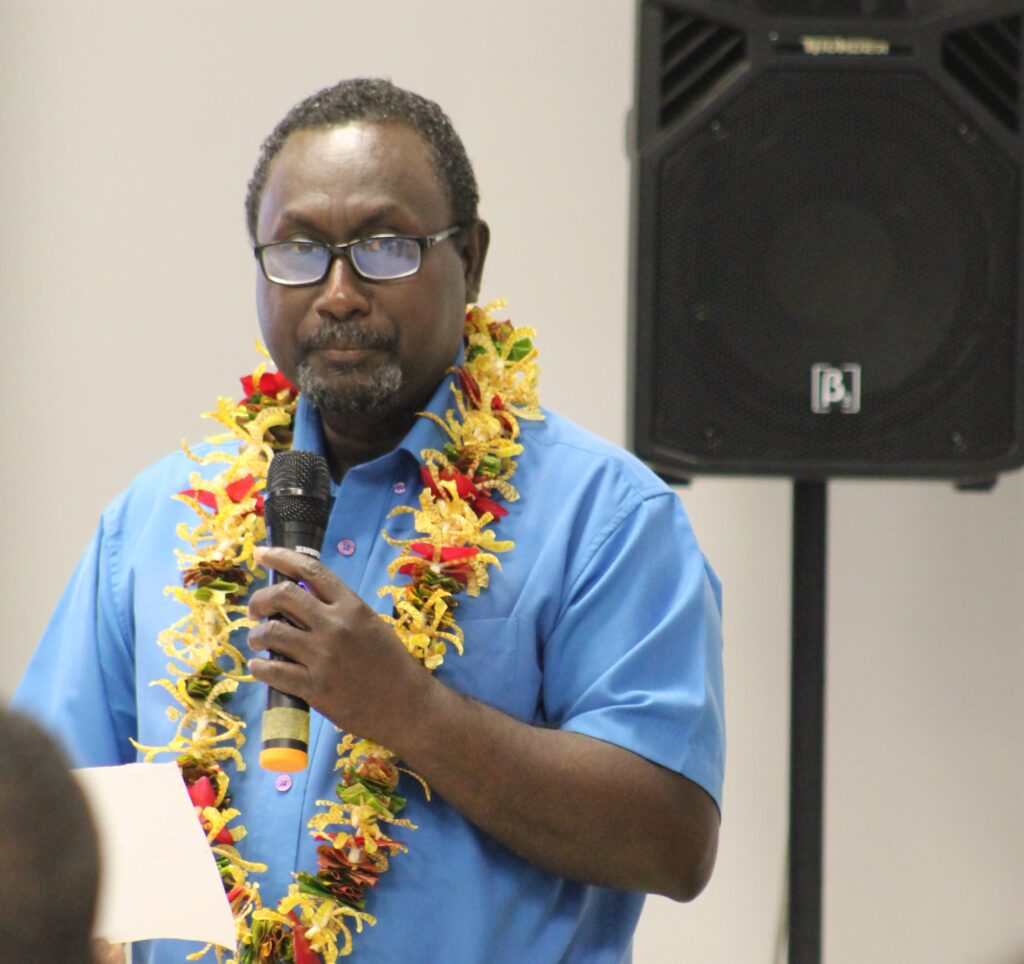
Dr. Gregory Jilini, Supervising Permanent Secretary of the Ministry of Health and Medical Services, delivered the keynote address.
He called the programme a turning point for disability inclusion. “Assistive technology and rehabilitation services are not optional services, but essential investments that are vital for children’s health, learning and participation,” he said.
He added that the project would strengthen national systems to ensure sustainability and equity.
Dr. Jilini cited a rapid assessment showing that 20.4 percent of the population requires at least one assistive product, yet only 3 percent currently use one when spectacles are excluded.
School-aged children reported particularly high unmet needs, with barriers including lack of availability, transport challenges and limited awareness.
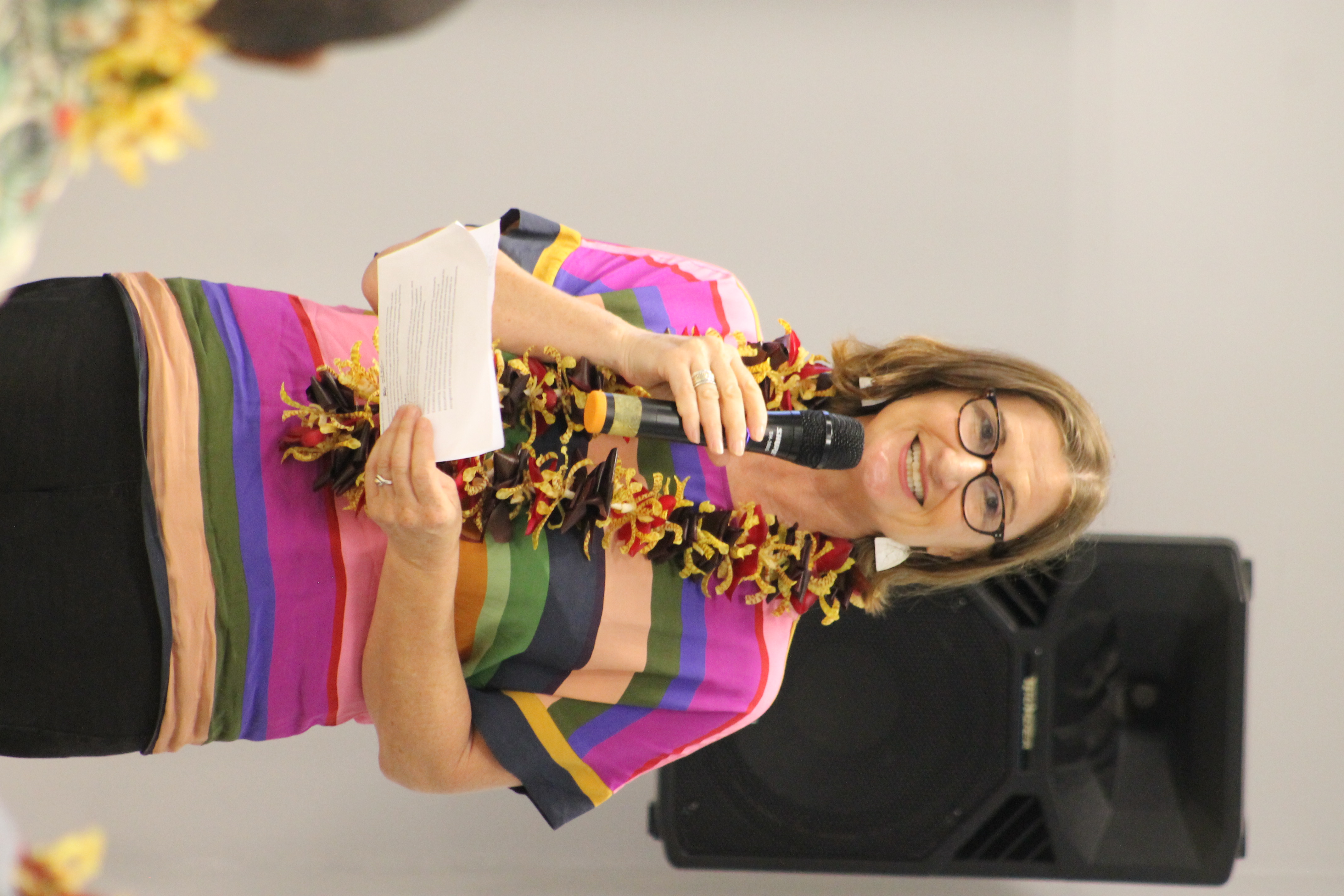
Dr. Pauline Kleinitz, representative for WHO’s regional office, underscored the importance of local leadership.
“Assistive technology is not a luxury, it is essential,” she said. “In a country made up of islands and diverse communities, these services can be the difference between isolation and inclusion.”
Dr. John Szetu of the Fred Hollows Foundation highlighted the collaborative nature of the programme.
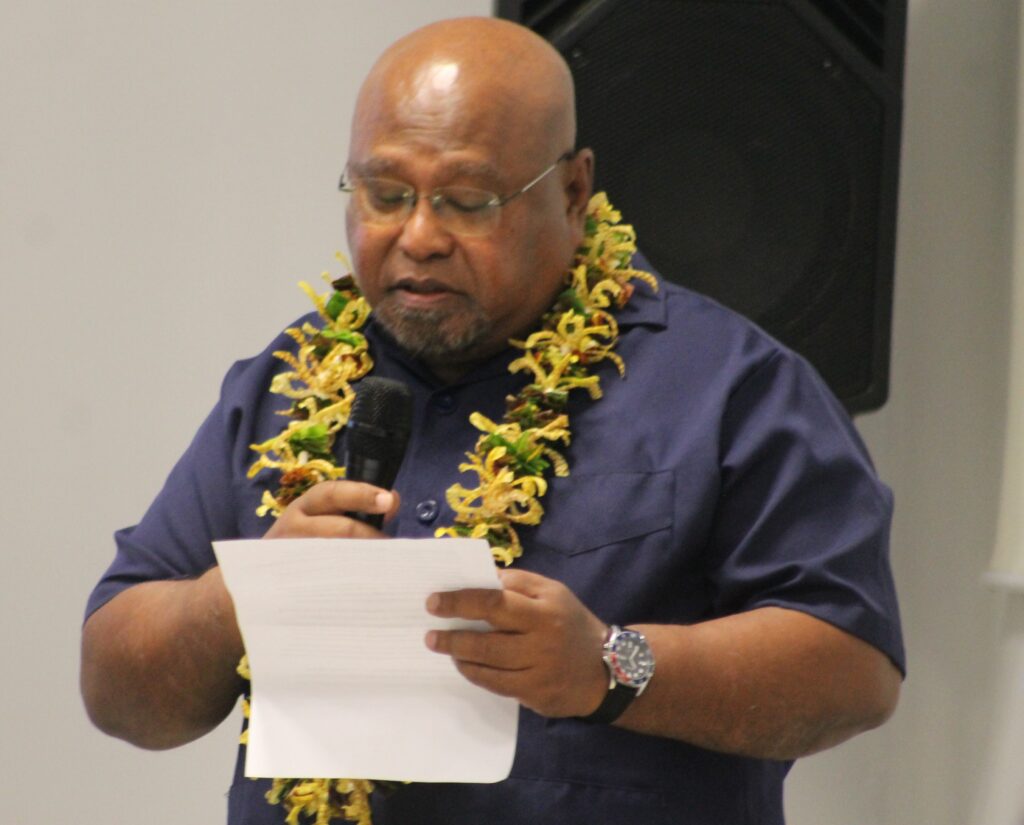
“When children are supported to see clearly, hear well and move freely, they are better able to learn, contribute and take their place in their families, schools and communities,” he said.
“Together over the next three years, we will strengthen national leadership for assistive technology, support health workers and teachers, and increase access to essential devices for children across all provinces.”
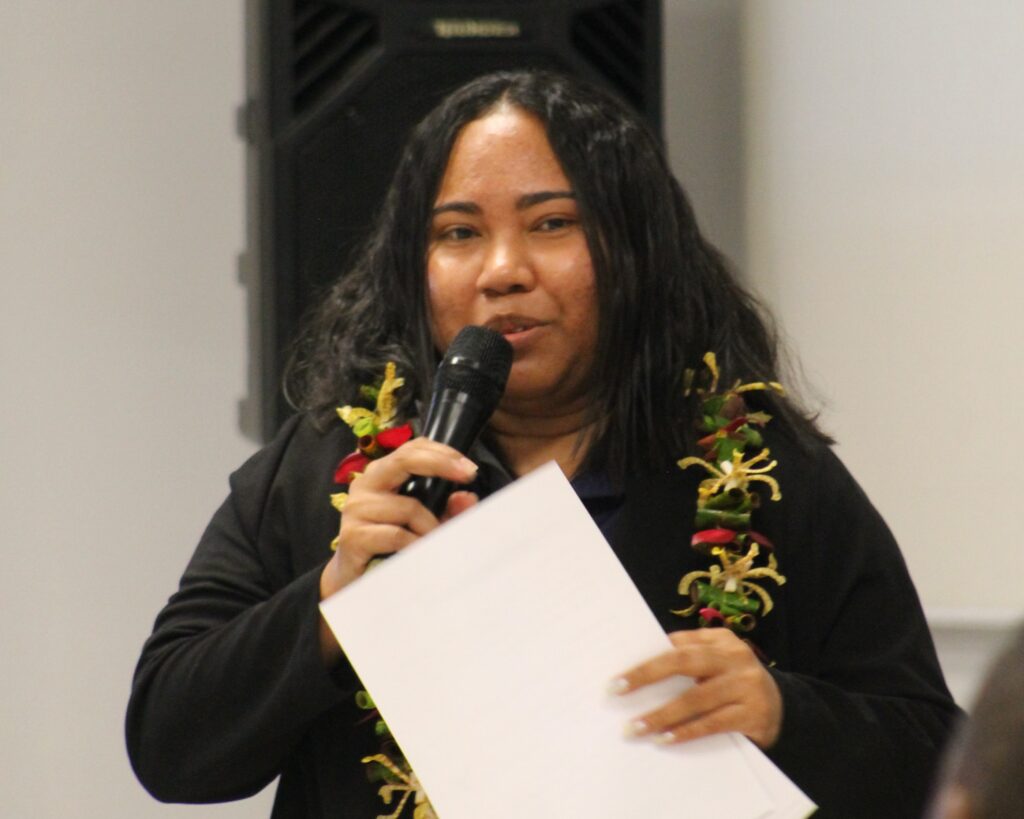
Zinna Fefere, Senior Health Advisor at the Australian High Commission, announced an AU$16.5 million commitment over three years to strengthen assistive technology systems in the Pacific.
“Investing in assistive technology is not only a matter of right, it’s a smart investment in inclusive growth and regional prosperity,” she said.
The initiative, backed by ATscale, was selected for funding alongside Tonga, Kiribati and Micronesia.
WHO pledged long-term collaboration, while local ministries committed to early screening, timely intervention and inclusive education.
Dr. Jilini formally declared the Strengthening Pacific Assistive Technology and Rehabilitation for Kids project open, describing it as a milestone in inclusive education and health services for the Solomon Islands.
By ANDRIANAH KOLE
Solomon Star, Honiara