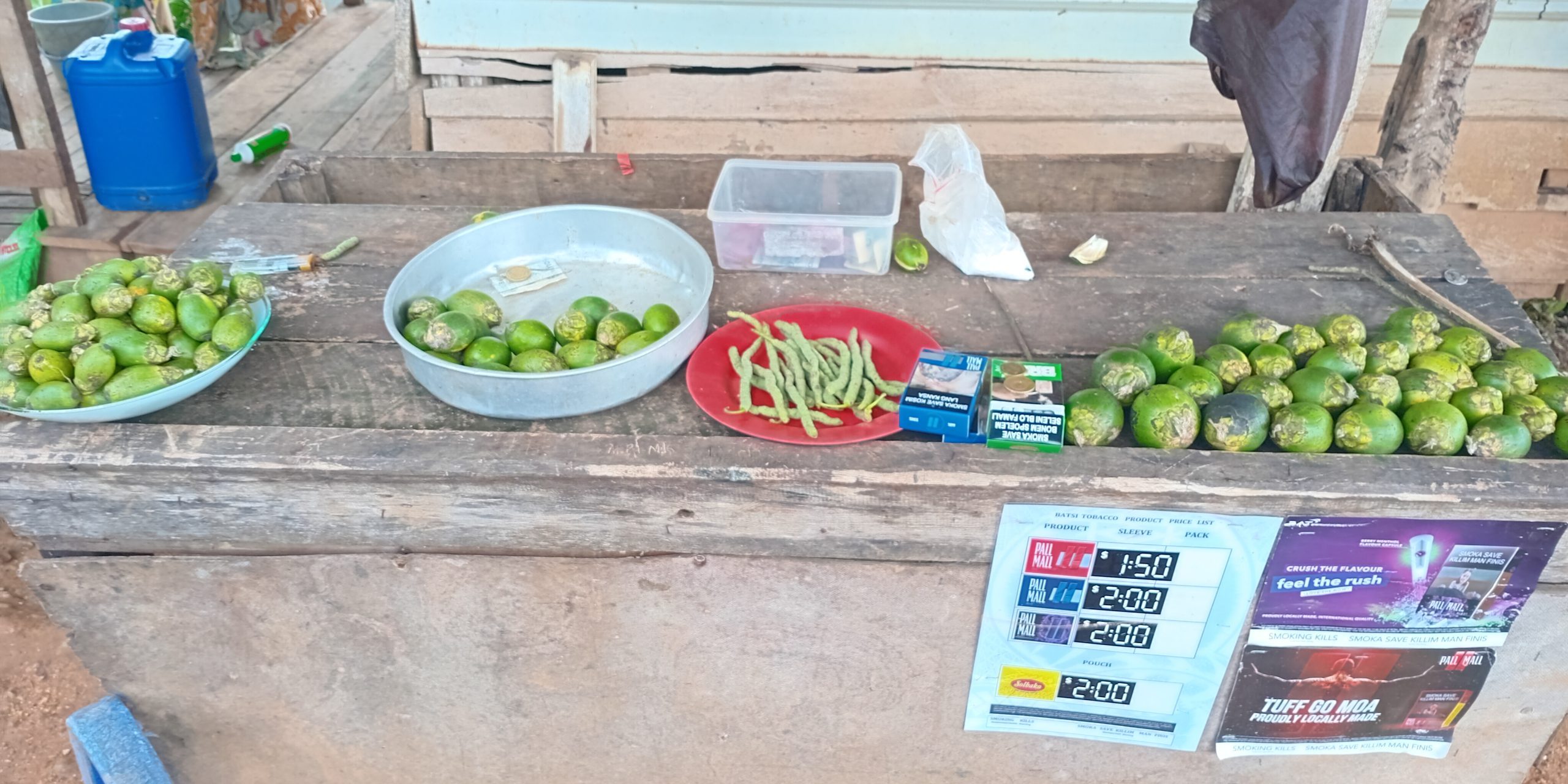
The price of betelnut at the Western Provincial capital of Gizo have surged over the past week.
The cost of a single nut or dami is now selling between $5 and above $7, up from the usual $2 to $3.
The sudden price hike has been attributed to supply shortage from the major betelnut-producing islands such as Vella La Vella, Ranongga and Kolombangara.
Betelnut vendors at Buni Tree in Gizo told the Solomon Star they are finding it increasingly difficult to secure enough bunches, especially those normally arriving from Vella La Vella.
As a result, competition among vendors has intensified.

In the early morning, scenes of vendors rushing to buy betelnut from arriving suppliers in their boats have become common along the Gizo wharf and KHY seaside area, as traders scramble to secure limited stock.
Suppliers from Vella La Vella confirmed that betelnut trees in their areas are currently producing less, mainly due to heavy harvesting and increased demand from vendors in Gizo and surrounding markets.
They said unless supply improves in the coming weeks, prices are likely to remain high, affecting both vendors and consumers in Gizo town.
“By next week if there are less suppliers arriving with a bunch of Betelnut, it is expected per dami could reach $10 dami,” a betelnut vendor from Buni KHY told this paper.
Some long time betel nut vendor said, a bunch of betelnut that normally sold at $10 and $20 is now selling at $50 and the price is expected to increase up to $80 and even $100 but with less betelnut fruits as well.
“The same goes for 10 kg bag betelnut and 20kg now costs up to $150 up to $500 and above.
“The main suppliers have marked up their price due to seasonal scarcity, cost of freight and passenger fare,” they said.
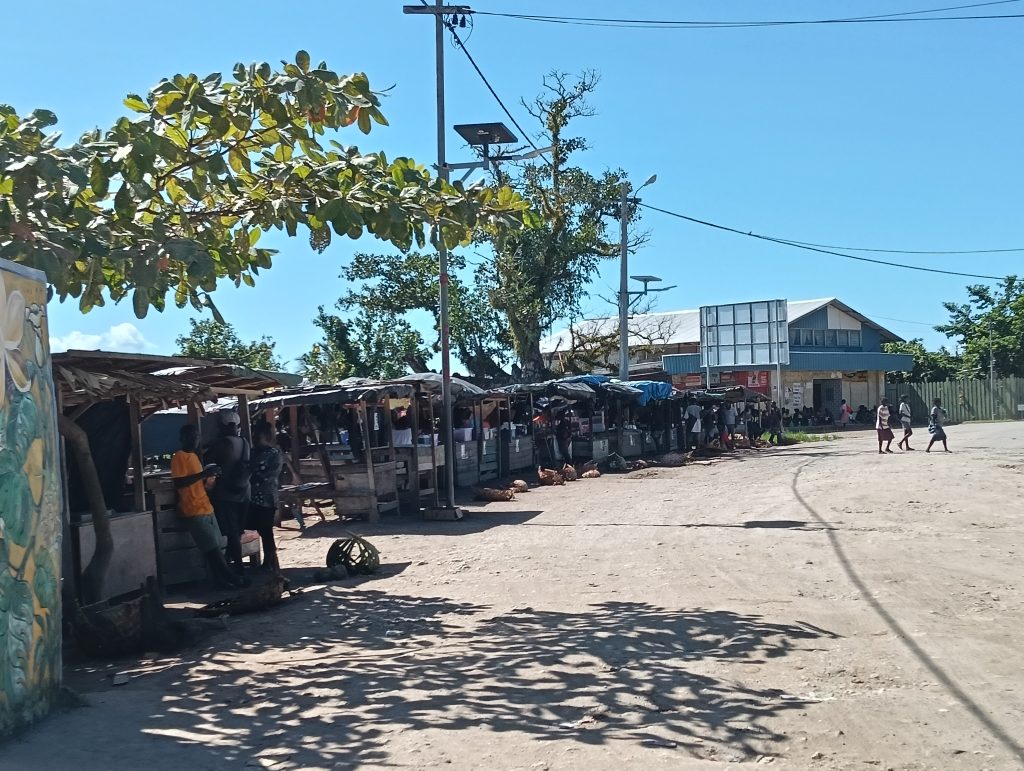
With the rise of fuel cost plus the cost of living in today’s society such changes are expected to occur every year,” Jensen Aqa, a betelnut vendors told Solomon Star.
Most betelnut vendors in Gizo fall under the informal sector, meaning their economic activities are not officially registered, regulated or taxed by the government.
Many of these vendors are unemployed and rely on betelnut selling as their main source of income to support their families and meet daily living needs
By ULUTAH GINA
Solomon Star, Gizo