Farmers now depend on Bougainville to sell copra as price in Solomons dwindles
By ULUTAH GINA
Solomon Star, Gizo
Copra farmers in the remote Shortland Islands of Western Province are now turning to neighbouring Bougainville in Papua New Guinea (PNG) to sell their produce, bypassing domestic markets in Honiara.
The shift follows a sharp decline in copra prices and the ongoing lack of reliable shipping services within Solomon Islands, particularly affecting communities in the border region.
Recent price adjustments by the Commodities Export Marketing Authority (CEMA) last month have further worsened the situation, placing financial pressure on farmers across the country.
Copra prices dropped recently following the introduction of a new CEMA management fee in 2026.
Under the current pricing structure, the market copra price is around SBD $6.00 per kilogram, while the CEMA management fee is SBD $3.05 per kilogram, leaving farmers with an actual payment of about SBD $2.95 per kilogram.
However, the impact has been more severe in the Shortlands due to their geographical isolation from central markets.
The Shortlands, an area rich in natural resources but lacking consistent government services, is now seeing its local copra industry come under significant pressure.
Since last month, several copra buying points in the Shortlands have ceased operations, forced to close due to falling prices and the absence of shipping vessels to transport copra to Honiara.
As a result, hundreds of bags of copra remain stranded in storage sheds, with much of the produce deteriorating due to prolonged delays, causing major losses for farmers who depend on the commodity as their main source of income.
Faced with mounting challenges, many copra farmers are now looking across the border to Bougainville as a more viable trading option.
One farmer from Maleai in the Shortlands told the Solomon Star that selling copra in Bougainville is no longer a choice, but a necessity.
“It is better for us to trade here in Bougainville using PNG kina than to attempt to trade in Honiara,” he said.
“The costs of transporting our goods to the capital are simply too high.”
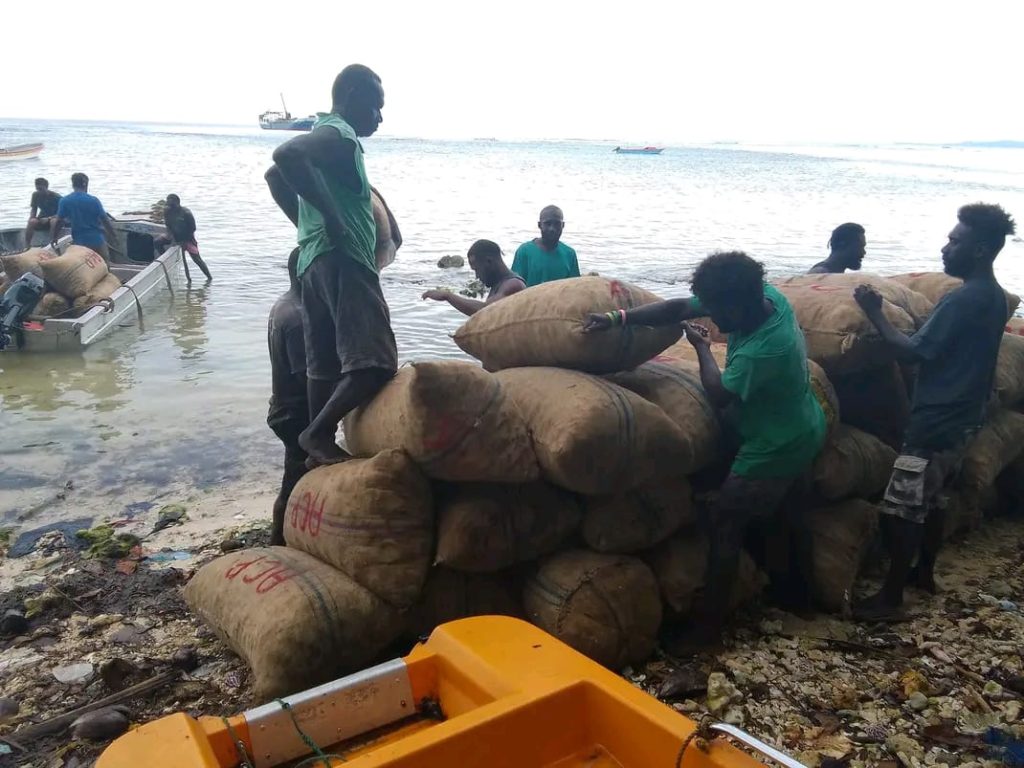
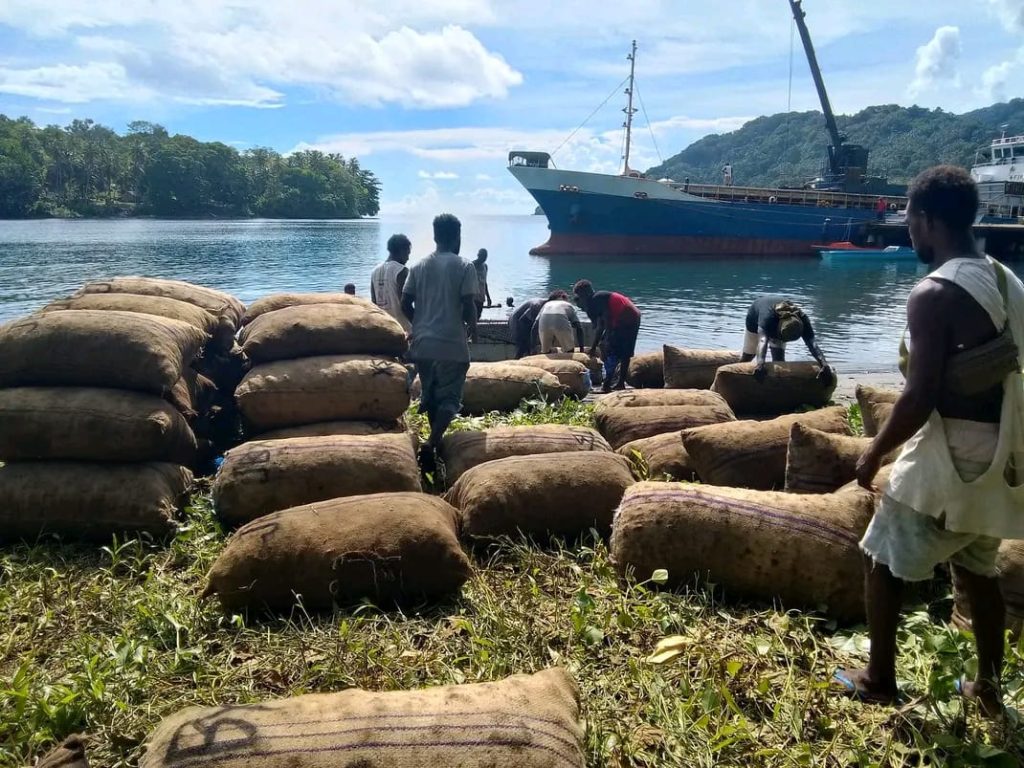
Currently, Shortlands copra farmers are selling copra to buyers at Kangu Beach Market in Bougainville for about K2.70 [SBD5] per kilogram.
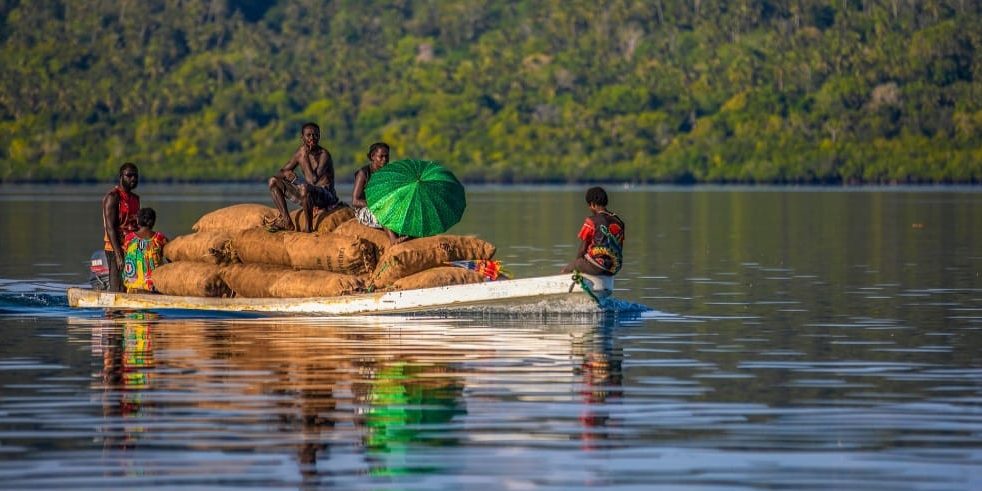
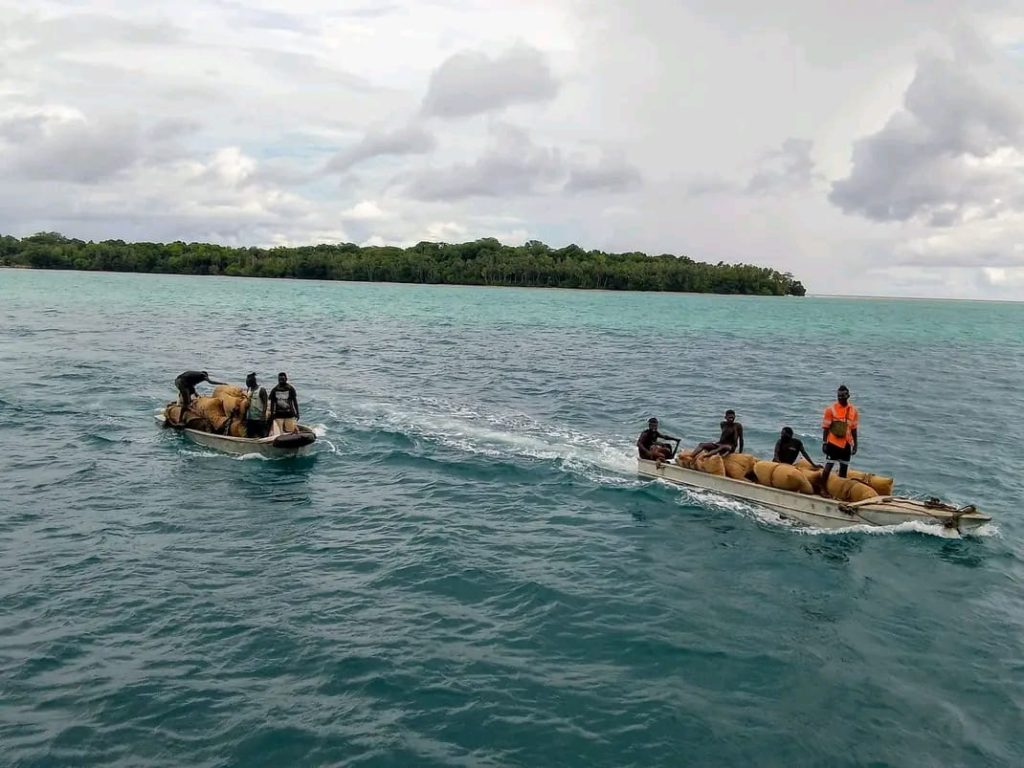
Last Wednesday around six boats from Shortlands who are mainly copra buyers traveled over to Kangu in Bougainville to sell their copra bags.
Due to the close proximity between the Shortlands and Bougainville, farmers can cross the border by boat within minutes when weather conditions are favourable.
This allows them to quickly sell their copra and purchase essential goods such as rice, flour, and fuel, which are often more accessible on the Bougainville side.
Farmers also highlighted that shipping services in Bougainville are more reliable, with vessels regularly calling at ports and ensuring copra is transported efficiently to overseas markets.
Kangu also has a large wharf that serves passengers and cargo vessels travelling mainly from Port Moresby through provincial ports, including Bougainville.
“We are finally feeling some relief,” the farmer added, noting that cross-border trading takes only minutes compared to weeks of waiting for a vessel in the Shortlands.
While this emerging trade route is providing a temporary lifeline for farmers, it raises concerns about the long-term stability of Solomon Islands’ copra industry.
There are growing calls for both the Government and CEMA to address ongoing shipping challenges and stabilise copra prices, particularly for remote regions like the Shortlands.
Without urgent intervention, there are fears the region could become increasingly disconnected from the national economy, as reliance on the PNG kina grows among border communities.
Meanwhile, Western Province Premier Billy Veo has announced a $15 million plan to develop key sub-centres across the province to decentralise government services and boost rural economic growth.
He said the focus will target the western border and surrounding islands, including Shortland Islands, Vella La Vella, and Ranongga, with Korovou in the Shortlands identified as a priority site.
The proposed sub-centres will serve as full-service hubs, housing government offices, staff accommodation, and space for national ministries and NGOs, bringing essential services closer to rural communities and reducing travel to Gizo.