Solomon Islands need to work hard in 2026 as it seeks to diversify its economy and expand infrastructure while confronting mounting climate risks and fiscal pressures.
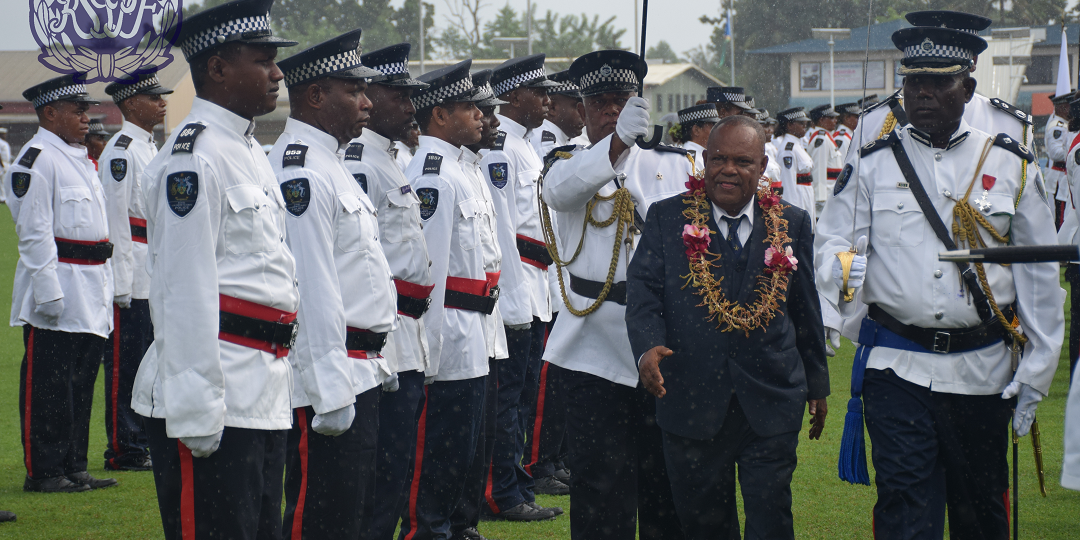
His Excellency (H.E) Governor General Sir David Tiva Kapu, in his New Year’s address, praised government efforts to accelerate long‑delayed projects such as the Tina Hydropower scheme and the Bina Harbour Processing Plant in Malaita Province.
He also highlighted road and airport upgrades and the revival of the national trade fair as signs of economic momentum.
The government has adopted a transition strategy ahead of its graduation from “least developed country” status in 2027, aiming to build resilience and attract investment. But the economic outlook remains fragile.
Logging, the country’s main source of revenue, is in structural decline due to resource depletion, leaving public finances exposed.
Debt levels have risen, cash reserves are low, and growth of 2.8% in 2025 lags behind population increases, eroding per‑capita income.
“Economic diversification into agriculture, fisheries, tourism and mining is critical, but progress has been uneven,” he said, urging closer collaboration between government and the private sector.
At the same time, the Solomon Islands’ vulnerability to climate change poses a macro‑critical threat.
Rising sea levels, stronger storms and frequent flooding damage infrastructure and livelihoods, while the country’s limited adaptive capacity hampers recovery.
Geographic dispersion across hundreds of islands complicates service delivery, leaving many rural communities without safe water or sanitation.
He warned that climate shocks could undermine fiscal stability and development gains.
“We must let go of harmful practices and enhance a fresh start,” he said, calling for renewal and resilience.
International partners have supported infrastructure and climate adaptation projects, but governance weaknesses, including corruption and limited oversight capacity, continue to hinder implementation.
Analysts say the government must strengthen fiscal management and climate planning to avoid setbacks.
For now, Solomon Islands is betting that new infrastructure and regional diplomacy will attract investment and ease the transition away from logging.
But with climate risks intensifying, the challenge will be to ensure that growth is sustainable and inclusive.
By ANDRIANAH DELASALET KOLE
Solomon Star, Honiara