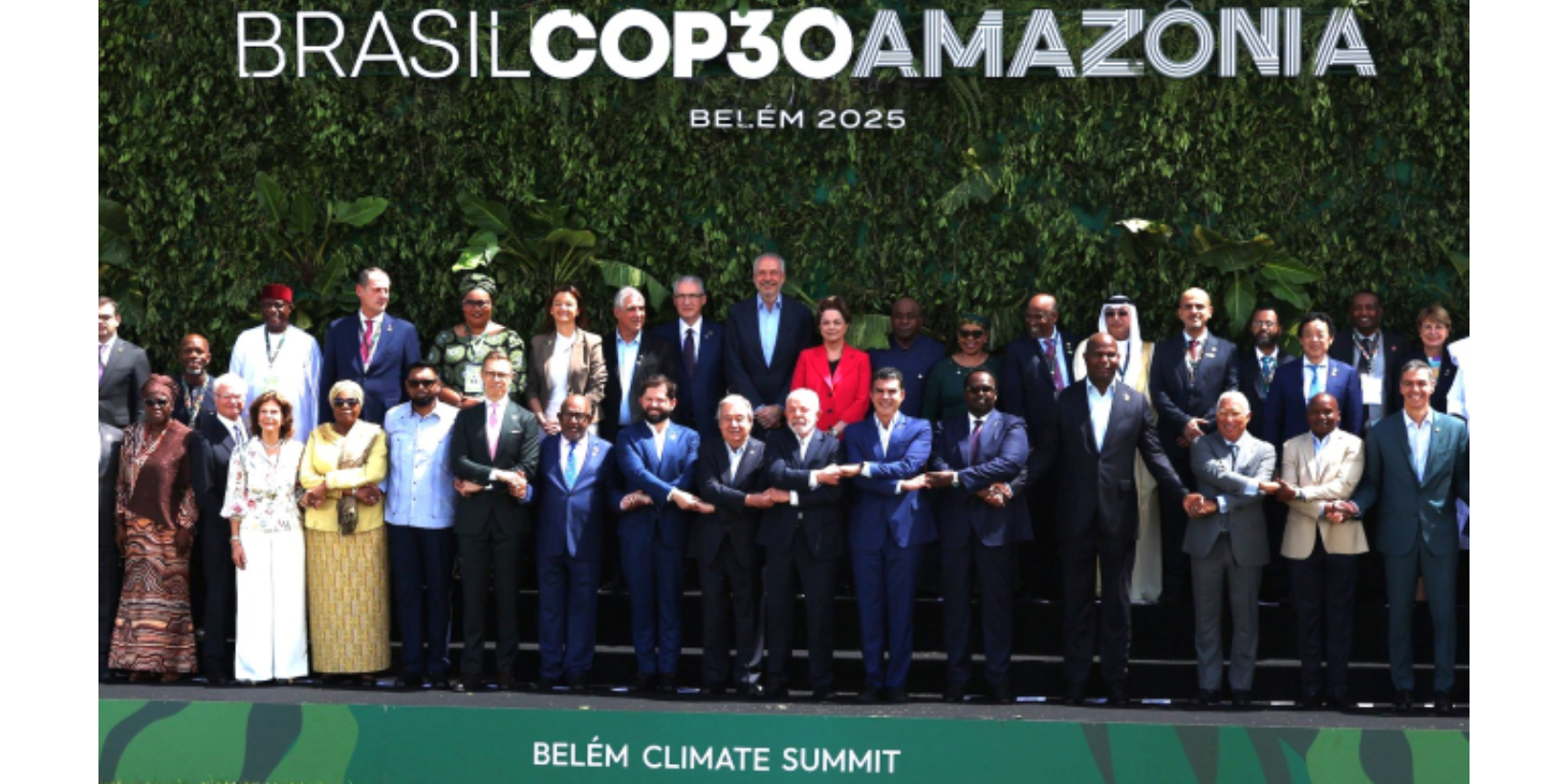
The international climate community has concluded COP30 in Belém, Brazil on Saturday — a landmark summit that delivered a comprehensive roadmap aimed at preserving the critical 1.5°C temperature limit and accelerating a global “just transition” away from fossil fuels.
For the Solomon Islands and other Small Island Developing States (SIDS), the outcome signals new momentum in the global climate fight, with historic financial commitments and stronger language on the phase-out of polluting fuels forming the backbone of the agreement.
Delegates from 194 countries endorsed a key commitment recognising that transitioning away from fossil fuels is essential to safeguarding a livable planet.
Brazil led a unified effort to craft a transition roadmap, with more than 80 countries formally signing on to support the shift.
For Pacific nations—already battered by rising seas, stronger cyclones and worsening coastal erosion—this commitment represents a critical chance for survival.
According to the COP30 Outcomes Overview, finance lies at the heart of the transition. A new global funding package of over USD 1 trillion by 2030 was announced to boost renewable grids, storage, and clean manufacturing.
South Korea also pledged an early coal phase-out, indicating a shift among major global economies toward cleaner energy pathways.
Crucially, the final COP30 package included a suite of financial pledges that SIDS like the Solomon Islands depend on to adapt to worsening climate impacts.
Countries committed to tripling global adaptation finance, forming part of a broader USD 300 billion New Collective Quantified Goal (NCQG) to support climate resilience.
Key pledges include:
USD 155 million to the Adaptation Fund
A recommitment by developed nations to mobilise at least USD 1.1 trillion annually by 2035
USD 200 million for the Belém Health Action Plan
Expanded financing through Multilateral Development Banks (MDBs) and global financial reform efforts
According to COP30 outcomes Pacific negotiators described these commitments as essential to safeguarding vulnerable communities from sea-level rise, severe flooding, coastal destruction and long-term ecological disruption.
Progress was also achieved on safeguarding natural ecosystems:
More than 90 countries supported a new global deforestation roadmap.
USD 6.5 billion was pledged to the Tropical Forests Forever Facility to strengthen forest protection and community-led conservation.
A historic 900 Indigenous delegates participated in the “Peoples COP,” securing USD 1.8 billion for Indigenous Peoples and local communities.
Brazil formally recognised 13 new Indigenous Lands, strengthening land rights protection.
Eighteen governments also signed the Declaration on Information Integrity on Climate Change, acknowledging the growing threat of climate misinformation and the need for reliable, science-based policy discourse
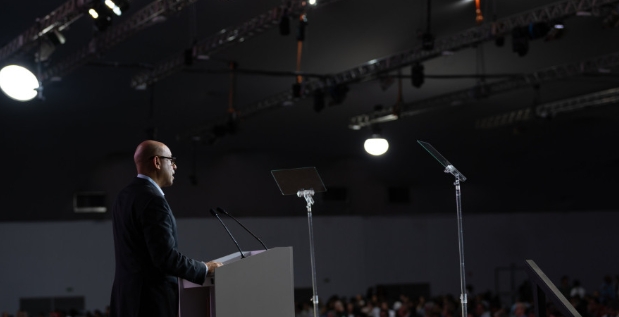
UN Climate Change Executive Secretary Simon Stiell praised the outcome, asserting that the global climate process “is alive and kicking” despite political turbulence and widespread disinformation.
“I’m not saying we’re winning the climate fight,” Stiell said in his closing speech on Saturday.
“But we are undeniably still in it, and we are fighting back,” he adds.
He added that COP30 demonstrated unwavering multilateral commitment to keeping the 1.5°C limit within reach.
Tuvalu’s Minister for Home Affairs, Climate Change and Environment, Hon. Maina Talia, addressed world leaders on behalf of the Pacific Small Island Developing States (PSIDS).
He highlighted Vanuatu’s landmark achievement in securing a 2025 International Court of Justice (ICJ) Advisory Opinion, which affirms that the 1.5°C limit is both a scientific and legal obligation.
“Unless countries substantially improve their NDC targets and real-world action, a significant overshoot of 1.5°C will become inevitable, with destructive consequences for vulnerable countries and peoples,” Hon. Talia warned.
PSIDS expressed dissatisfaction that the International Maritime Organisation (IMO) again failed to adopt the Net Zero Framework—an essential measure for global shipping emissions. Pacific leaders urged continued negotiations to secure a just and equitable transition for maritime-dependent developing countries.
COP30 concluded after another year of record-breaking heat and devastating climate impacts worldwide. Despite shifting geopolitical forces, Pacific leaders once again travelled across the globe to amplify their message: their survival hinges on urgent global action.
The outcomes of the summit now chart a new course for the next decade.
The Solomon Islands and the wider Pacific will be looking to access the massive finance flows and policy frameworks established in Belém—tools they hope will help build resilient communities capable of weathering the accelerating climate crisis.
By ULUTAH GINA
Solomon Star Gizo
“This story was produced as part of the 2025 Virtual Climate Change Media Partnership, a journalism fellowship organized by Internews’ Earth Journalism Network and the Stanley Center for Peace and Security”.