Despite a strong wind warning being issued across the country, villagers and market vendors from Ranongga, Simbo, Kolombangara, Shortland Islands and as far as Choiseul continue to travel to Gizo, the main commercial centre of Western Province.
For these islanders, the journey is unavoidable.
Boat operators using outboard motor boats (OBMs), powered by 40-horsepower and 60-horsepower engines, have been travelling daily between the islands and Gizo, navigating rough seas to ensure essential supplies and services continue.
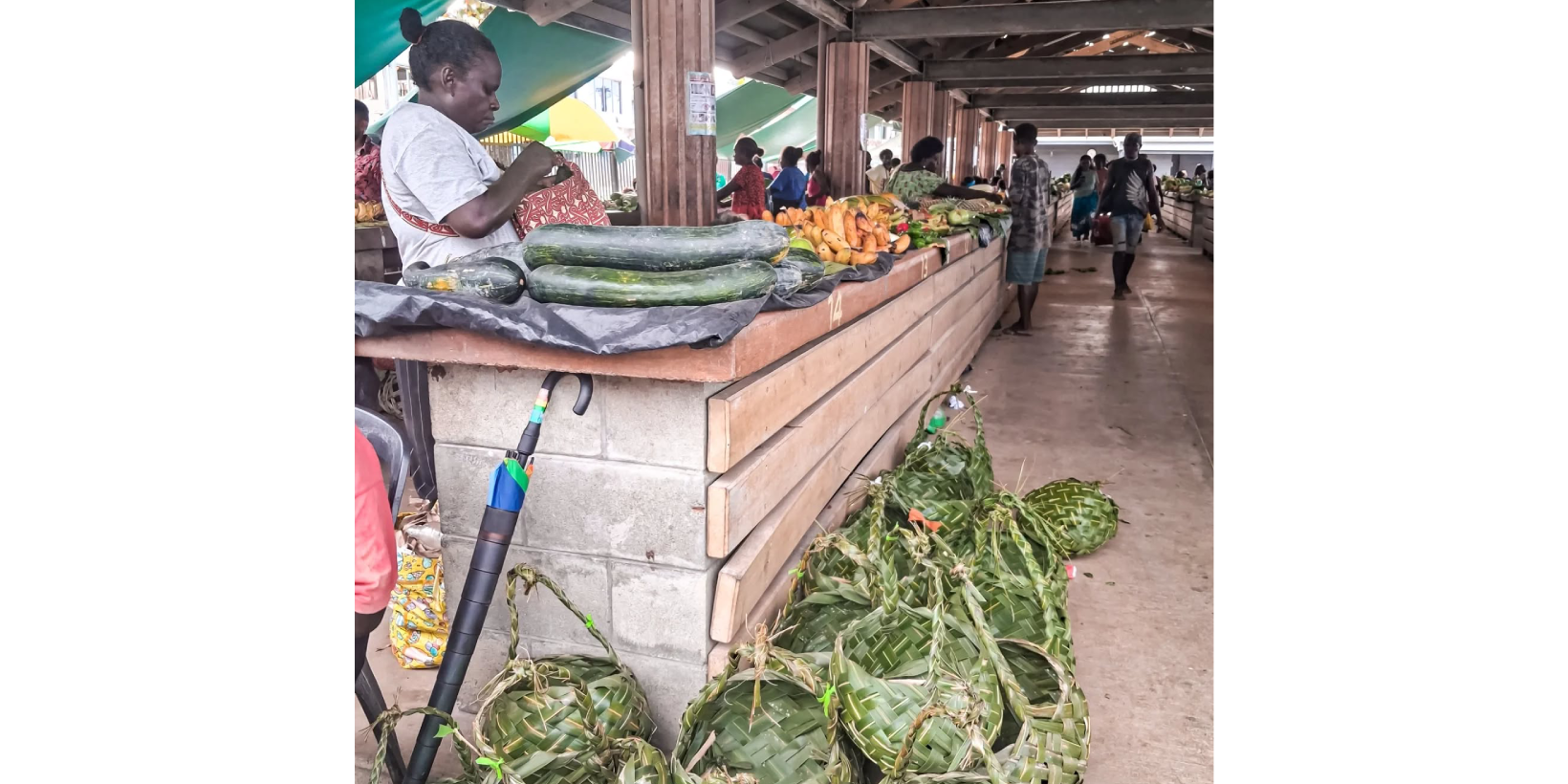
Islanders arriving in Gizo are largely small-scale farmers and traders, bringing fresh produce such as root crops, vegetables, fish and fruits to sell at the Gizo market, which remains a key source of income for rural households.
Others are parents and guardians travelling to Gizo to pay school fees, purchase uniforms and stationery, and settle accommodation matters as academic classes begin for 2026.
“For parents, there is no choice,” one market vendor told Solomon Star.
“School has started, and children must be registered and fees paid, so we have to travel even when the weather is not good.” the market adds.
Business operators have also continued their usual trips to Gizo to restock supplies, access banking services, attend meetings and purchase goods from the town’s main shops, which serve the wider Western Province.
Some travelers said staying back on their home islands would mean lost income, missed school deadlines, and disruptions to basic needs, making the risk of travel a difficult but necessary decision.
While acknowledging the determination of islanders, authorities continue to urge boat operators and passengers to exercise caution, monitor weather updates and ensure vessels are seaworthy, with life jackets worn at all times.
As 2026 gets underway, the steady flow of boats into Gizo highlights the economic dependence of surrounding islands on the town, and the daily challenges faced by rural families balancing safety with survival.
By ULUTAH GINA
Solomon Star, Gizo