The North Shore Mangroves group has commenced its phase 1 of its mangrove restoration project at Kwene Village in Ward 8, North Malaita.
The project is funded by the Global Green-grants Fund from the United States.
North Shore Mangroves is a community-based environmental group established in 2017 at Kwene Village.
The group’s vision is to restore the mangrove forests along the coastal shoreline by the year 2030.
Over the past six years, the group and community members have planted more than 1,000 mangrove trees along the Kwene coastal area.
The main goal of the project is to restore mangrove habitats that support fish, crabs, insects, and birds.
Mangroves also help protect coastal communities from rising sea levels, strong waves, and natural disasters.
They also help store carbon and reduce the impacts of climate change.
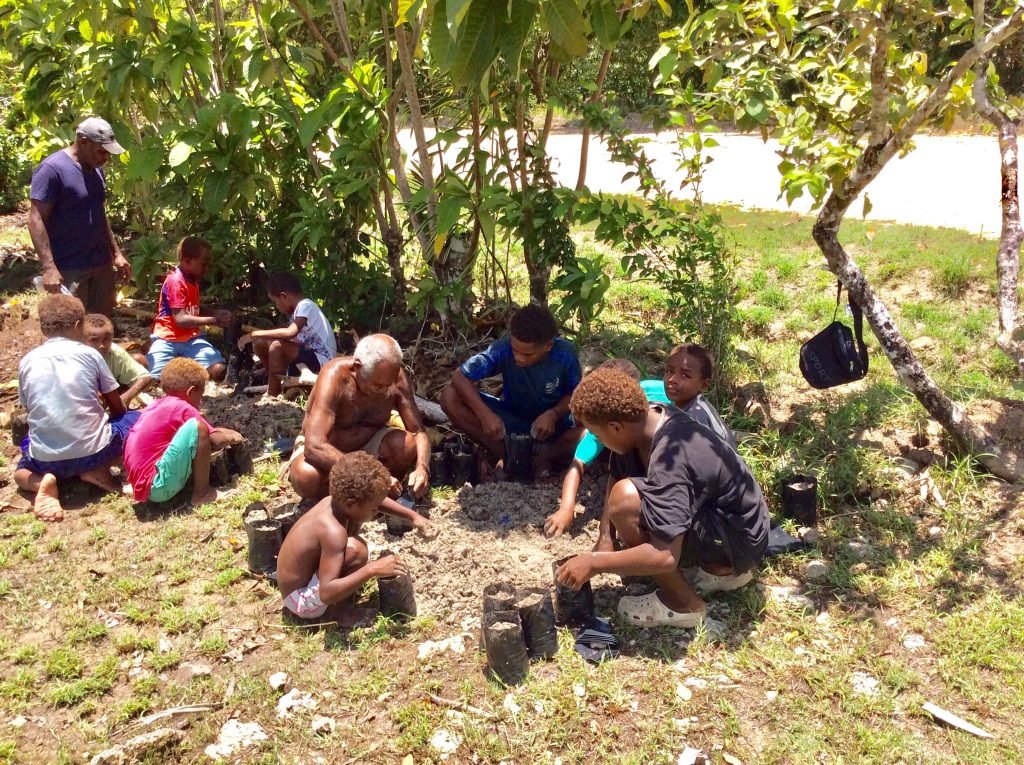
Another important goal is to involve young people in planting, caring for, and protecting mangrove trees.
The project also hopes to inspire nearby communities from Mana’abu to Galilee in the Malu’u area to restore their mangrove forests.
According to the Solomon Islands State of Environment Report 2019, mangroves once covered about 47,000 hectares of land in the country.
However, between 1970 and 2000, mangrove forests declined by about 27 percent.
In 2025, North Shore Mangroves also supported the Malu’u Market Redevelopment Project through nature-based adaptation activities funded by the Solomon Islands Infrastructure Program.
Training on mangrove planting methods was provided by the Fera Au Conservation Group.
For the 2026 project activities, North Shore Mangroves received a grant of USD $5,000 from the Global Green-grants Fund.
The funding was approved on 10 November 2025 and collected in January 2026.
Since then, the group has completed several activities. Materials were purchased from Honiara and Auki.
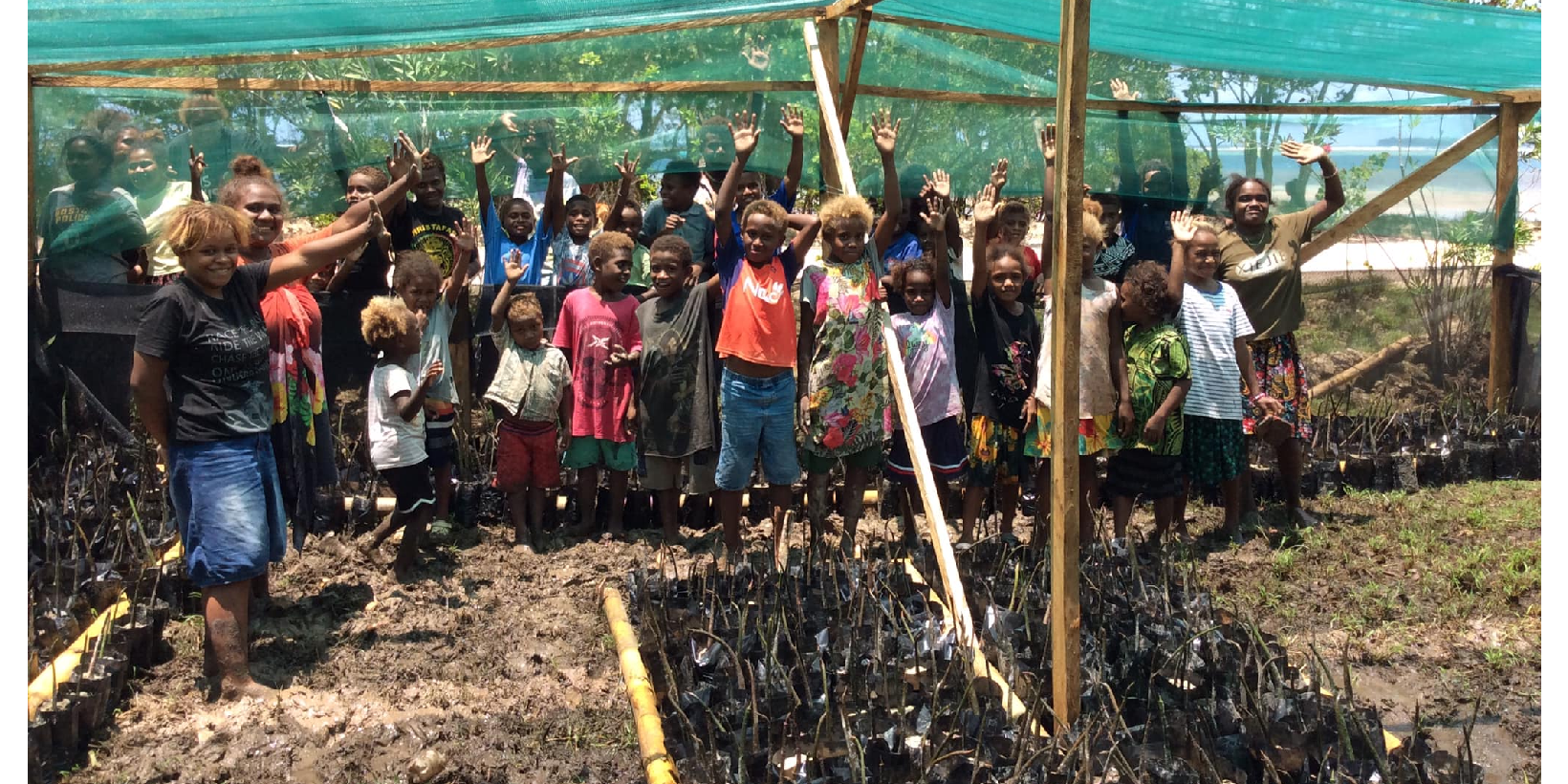
A new nursery house was built in March. Soil and sand were collected and mixed to prepare nursery plots.
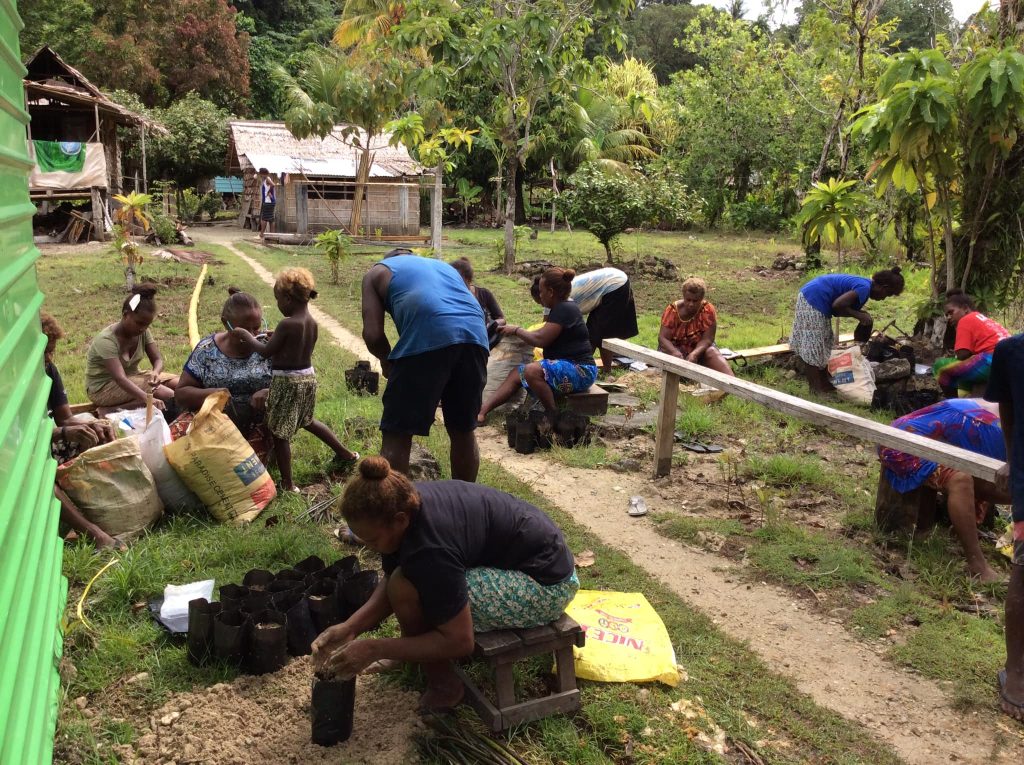
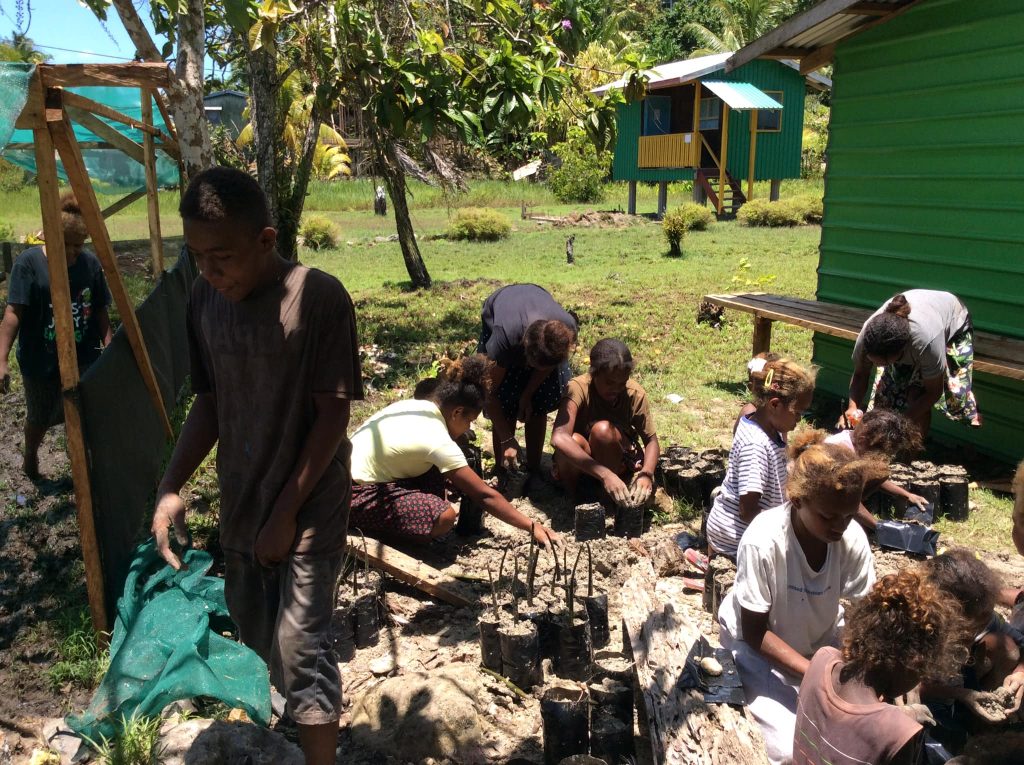
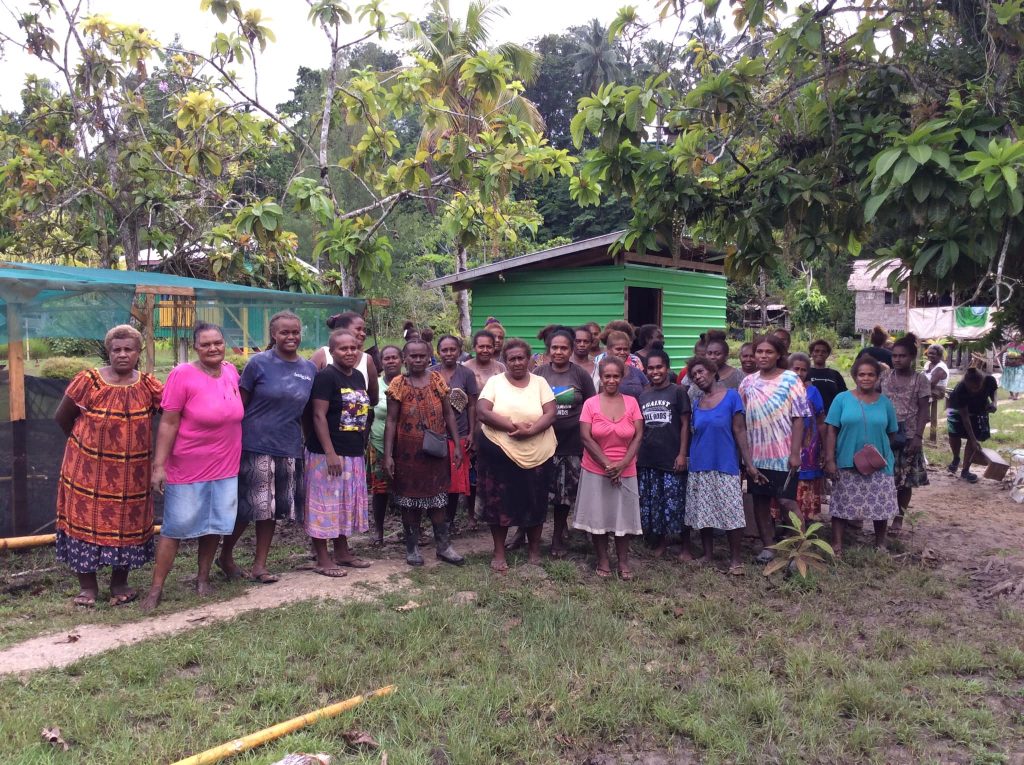
Mangrove seedlings were collected, and community members began nursery work. A total of 2,000 mangrove seedlings were prepared by 38 women and 2 men from the community.
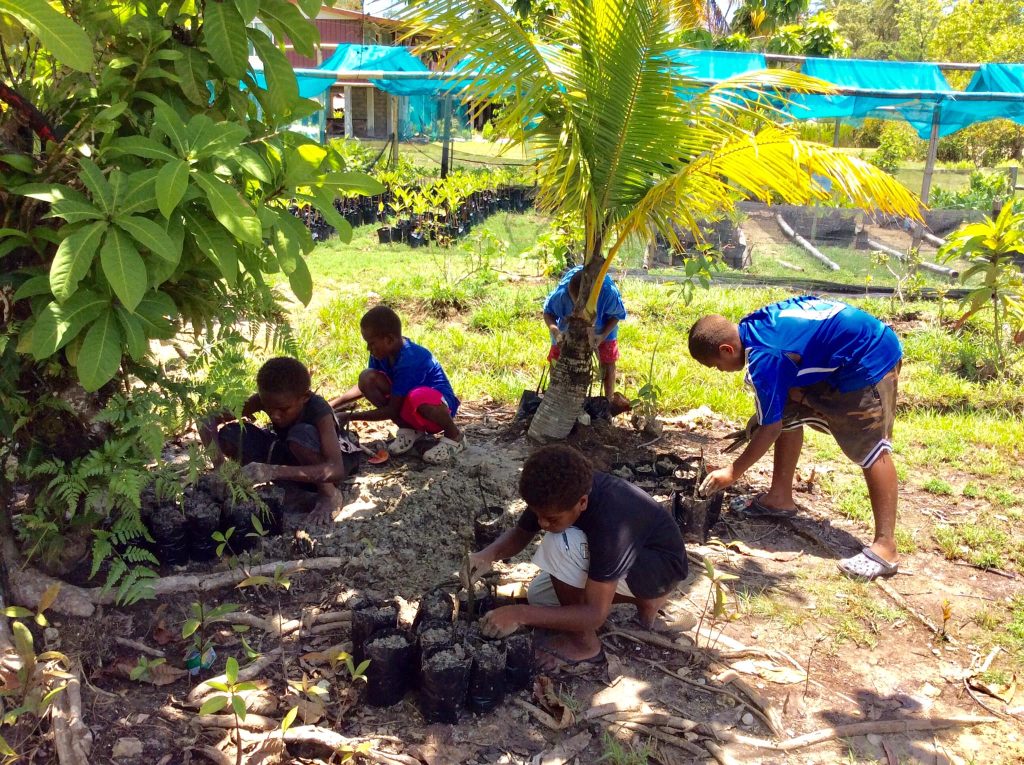
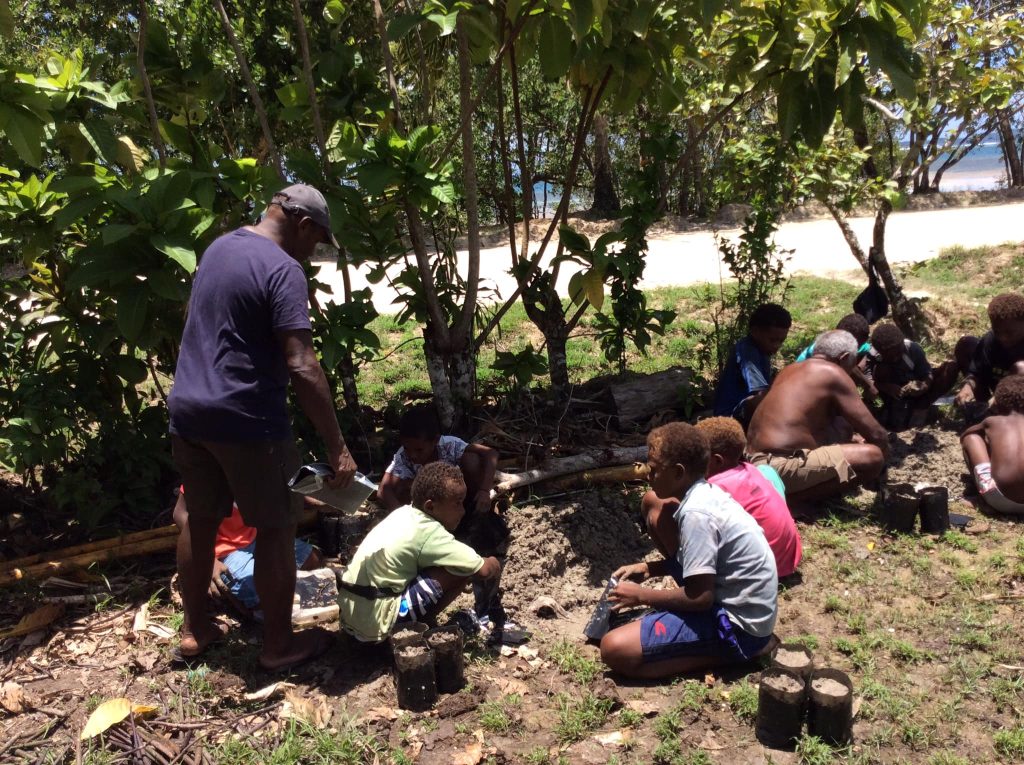
Later, 43 primary and secondary school students helped prepare another 500 seedlings.
In total, the community has now prepared 2,500 mangrove seedlings.
The next phase will focus on watering and monitoring the seedlings for three months. After that, the young mangrove plants will be transplanted along the Malu’u coastal area, from the Malu’u Market site to Kwene Village.
Community leaders say the project shows how local communities can work together to protect their environment and fight climate change for future generations.