The Ministry of Health and Medical Services (MHMS) is urging communities across the country to remain informed about the Nipah virus, which has infected two people in India.
The MHMS is working closely with the World Health Organization (WHO) to strengthen disease surveillance, laboratory readiness, and rapid response systems through the Public Health Emergency and Surveillance Unit (PHESU).
PHESU is monitoring global developments and ensuring frontline health workers and points of entry staff are informed and viligant.
While no cases have been detected in Solomon Islands, increased global attention to emerging infectious diseases highlights the importance of awareness, preparedness, and prevention.
India reported two confirmed Nipah virus cases in West Bengal; both healthcare workers from a private hospital in North 24 Parganas district.
This is India’s 7th documented Nipah outbreak. As per the available information, WHO considers the risk of further spread of infection from these two cases as low.
Contact tracing of about 200 contacts of the 2 two cases have tested negative for Nipah virus and remain without symptoms.
India has the capacity to contain such outbreaks, as demonstrated in previous outbreaks. WHO does not recommend any travel and/or trade restrictions toward India based on the currently available information.
Risk to Solomon Islands is low
WHO considers the risk of further spread from the two cases reported in India to be low. Moreover, recommended public health responses in India are jointly being rolled out by the national and state health teams and there is no evidence yet of increased human-to-human transmission. Most importantly, there are no direct flights from Kolkata to Honiara, further reducing the likelihood of imported cases into Solomon Islands.
What is Nipah virus?
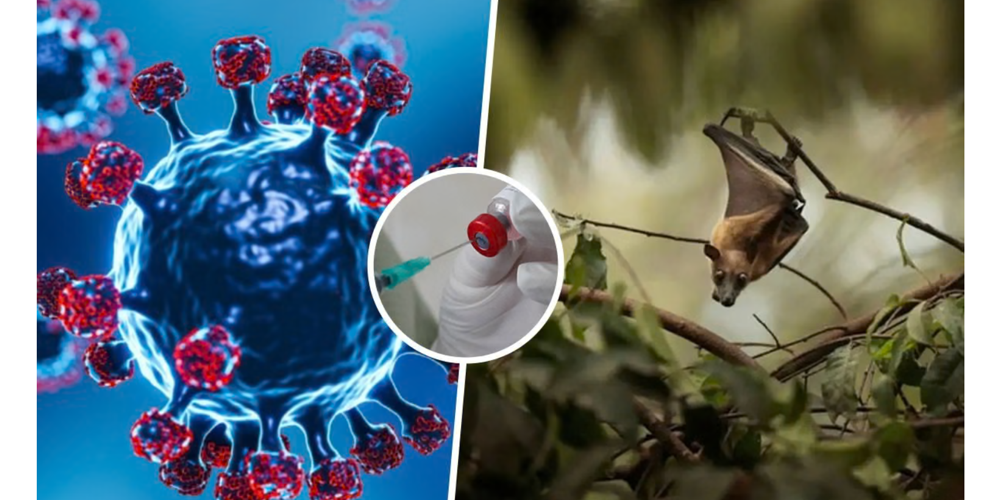
Nipah virus infection is transmitted from animals to people and can also be transmitted through contaminated food or directly from person to person. In infected people, it causes a range of illnesses from asymptomatic (subclinical) infection to acute respiratory illness and fatal encephalitis. The virus can also cause severe disease in animals such as pigs, resulting in significant economic losses for farmers.
Human infections range from asymptomatic infection to acute respiratory infection, seizures, and fatal encephalitis. Infected people initially develop symptoms that include fever, headaches, myalgia, vomiting, and sore throat.
Most people make a full recovery, although some are left with residual neurological conditions after acute encephalitis. Some cases of relapse have been reported.
There are currently no drugs or vaccines that specifically target Nipah virus infection. WHO has identified Nipah as a priority disease for the WHO Research and Development Blueprint. Intensive supportive care is recommended to treat severe respiratory and neurologic complications.
How to protect yourself
In the occasion of Nipah virus circulation in the community and in the absence of a vaccine, there are ways to reduce or prevent infection in people. These include:
Preventing bat-to-human transmission
- Keep bats away from food: Cover date palm sap collection sites with bamboo skirts or other protective coverings.
- Wash and peel fruits: Clean fruits thoroughly and peel them before eating.
- Stay alert: Ensure that any fruit that looks like it’s been bitten by bats it is properly disposed, away from other humans and animals.
Preventing animal-to-human transmission
- Wear protection: Use gloves and protective clothing when handling sick animals or during farm work.
- Avoid sick pigs: Limit contact with pigs that may be infected.
- Adopt safe farming practices: When setting up pig farms in areas where fruit bats live, keep pig feed and sheds covered to prevent bat contamination.
Preventing human-to-human transmission
- Avoid close contact: Don’t touch or stay too close to people infected with Nipah virus without protection.
- Wash hands often: Practice regular handwashing, especially after caring for or visiting sick individuals.
Health workers caring for patients with suspected or confirmed infection, or handling specimens from them, should always implement standard infection control precautions. As human-to-human transmission has been reported in health-care settings, contact and droplet precautions should be used in addition to standard precautions. Airborne precautions may be required in certain circumstances.
Samples from people and animals suspected of having Nipah virus infection should be handled by trained staff working in suitably equipped laboratories.
Health facilities throughout the country are being reminded to maintain infection prevention and control practices and to promptly report any unusual clusters of illness.
Role of Communities
Community leaders, churches, schools, and local organizations play a key role in sharing accurate information and preventing misinformation. It is essential to obtain information only from trusted sources, such as the MHMS and WHO.
– MHMS
Related links:
Health topic: Nipah virus
Fact sheet: Nipah virus