In the heart of West Kwaio in Malaita Province, piggery farming is more than just an agricultural activity — it is a way of life, a cultural foundation, and a pathway to economic survival.
For passionate piggery farmer Fitore Winia’auga, pigs represent wealth, security, and tradition.
He strongly believes that young newly married couples must return to pig farming to strengthen their families and secure their future.
“Piggery is the most important farm we must maintain today,” Winia’auga said. “Our fathers, grannies, and ancestors lived with pigs. Pigs helped solve problems in our communities.”
In West Kwaio, pigs play a central role in customary obligations. Whether it is compensation payments, bride price, traditional ceremonies, or community reconciliation, pigs remain the number one asset families rely on.
Unlike cocoa, coconut, or small business ventures, pigs provide both cultural value and direct cash income.
“If you want to stay wealthy, pig is the one that makes you get money,” he said. “You can receive traditional shell money or modern cash from pigs.”
However, Winia’auga expressed concern that many young married couples are slowly neglecting pig farming.
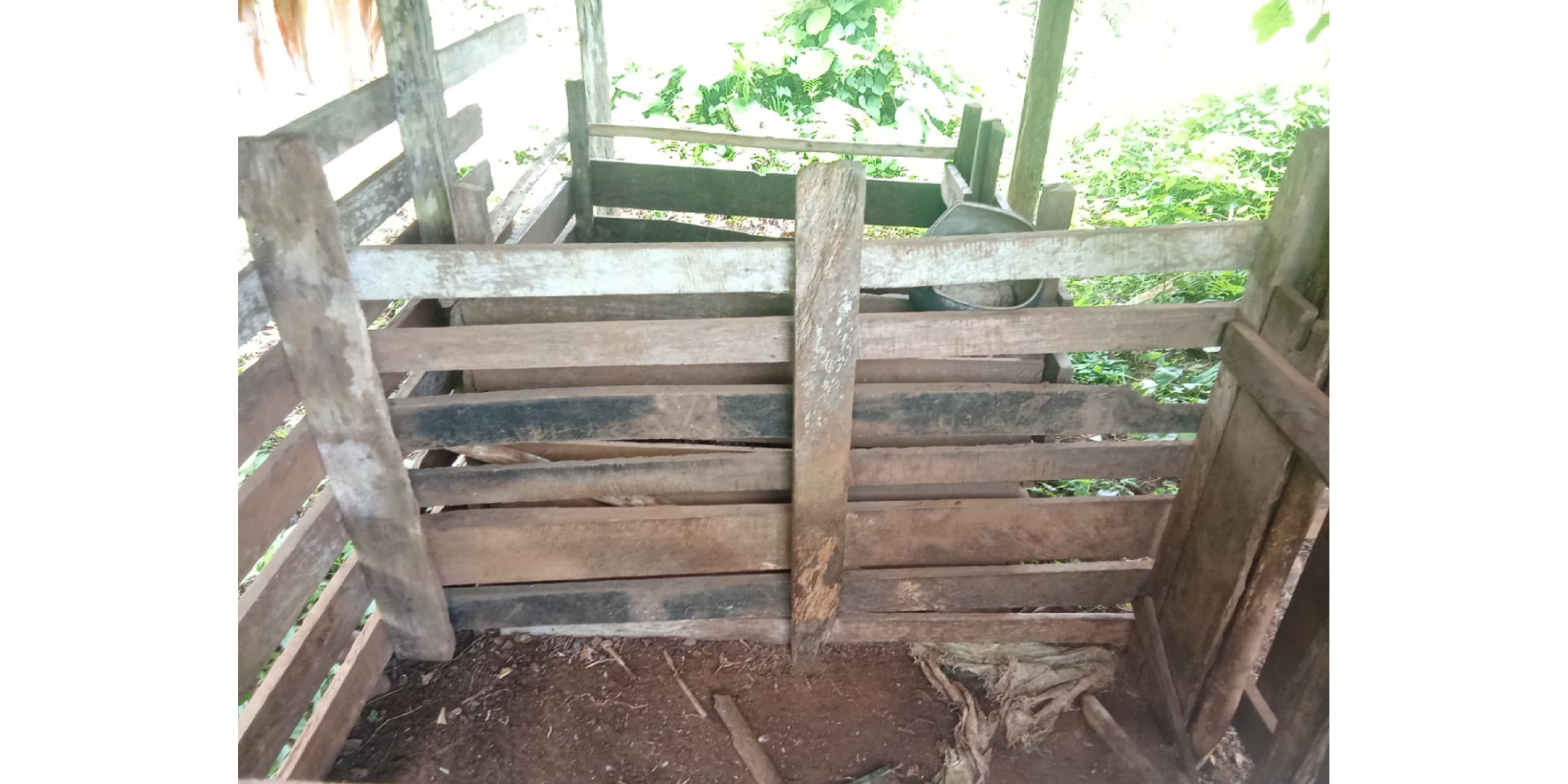
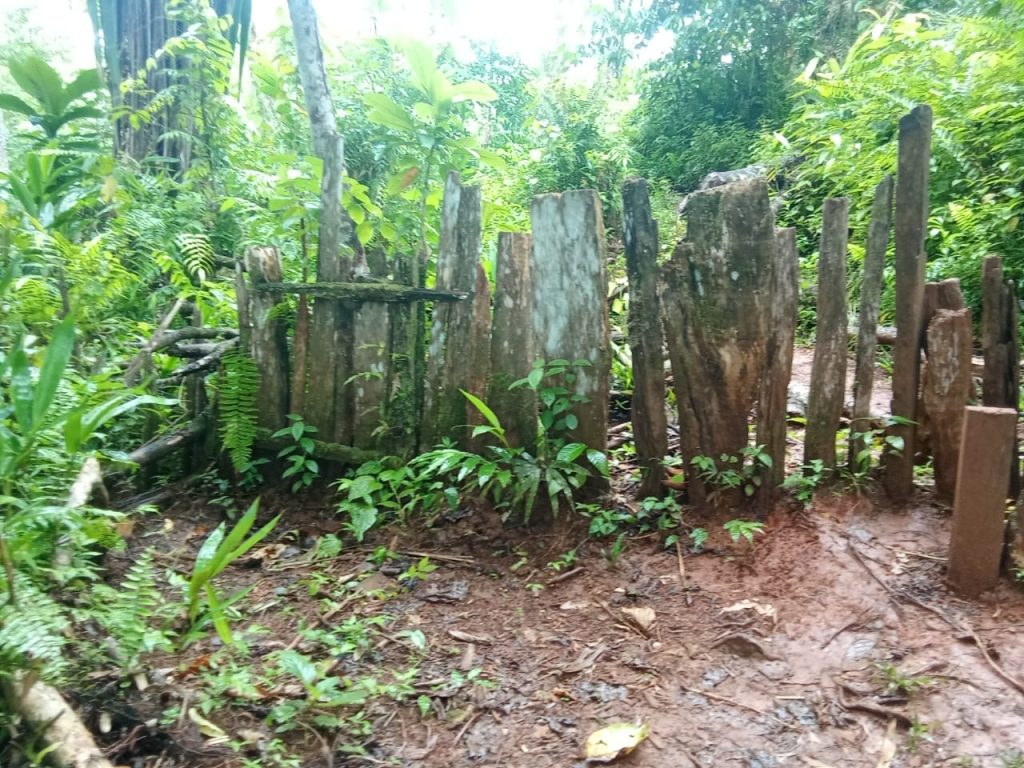
He is urging the new generation to rebuild and maintain the large pig fences that were once carefully constructed by their grandparents.
“Our fences are no longer strong like before,” he explained. “Our grandmothers built strong fences. Now it is our generation’s responsibility to restore them.”
Traditional Feeding System Still Dominates
In most rural villages across the Solomon Islands, including West Kwaio, farmers practice the traditional extensive pig feeding system.
Under this system, pigs are fed in the morning and late afternoon or evening. After the morning feeding, they are allowed to roam freely within fenced areas to search for additional food.
In the evening, they return to their shelters to eat and rest.
This extensive (free-range) system remains popular because of its simplicity and affordability.
Common feeds used include sweet potato (kaukau), cassava, taro, coconut, banana, kitchen leftovers, garden waste, and sometimes fish scraps.
These are readily available in village gardens and households.
The advantages are clear:
– Low investment cost
– Minimal housing requirements
– Use of local feed resources
– Easy management
But the system also comes with challenges.
Growth rates are often slow due to unbalanced nutrition. There is higher risk of disease if feed is not clean. Free-ranging pigs are also vulnerable to theft and uncontrolled breeding, making it harder for farmers to manage pig weight for market.
Despite these challenges, Winia’auga insists piggery farming remains more profitable than many formal jobs.
“Even teachers and nurses who have no side income should take up piggery,” he said.
“Piggery farmers can earn more money than those working in government offices.”
He believes that with proper care, feeding, and improved housing, piggery can provide consistent income for school fees, household needs, and community obligations.
SIART invests $6.99 million in Malaita
Solomon Islands Agriculture and Rural Transformation Project [SIART] invests $6.99 million in Malaita as part of the Agribusiness.
And piggery farming in Malaita has received a major boost through this investment support.
Under SIART SBD 6.99 million has been pumped into 16 Agribusiness Producer Organizations (APBOs) in Malaita Province.
The SIART project aims to increase agricultural production and improve market access in selected provinces, including Malaita, Guadalcanal, and Makira/Ulawa.
It also focuses on strengthening agricultural sustainability, improving rural livelihoods, and ensuring rapid response during crises or emergencies.
According to a recent media release, Malaita piggery farmers have expressed deep appreciation for the support provided through the SIART project.
Sixteen associations have each received grants of approximately $400,000 each.
The funding supports the construction of breeding and fattening shelters, improvement of breeding stock, provision of tools and equipment, and establishment of working capital revolving funds.
These funds will allow association members to purchase pig stock and feed more efficiently.
The initiative is expected to help farmers produce healthier pigs, improve productivity, and increase income levels.
With better shelters and improved breeding practices, farmers can reduce disease risks, enhance pig growth rates, and meet market demands more effectively.
A Future Built on Tradition and Transformation
For farmers like Winia’auga, the SIART investment is a timely reinforcement of what elders have long known — pigs are the backbone of rural wealth.
While development partners introduce modern improvements, the foundation remains rooted in traditional knowledge and community practice.
The combination of ancestral wisdom and structured agribusiness support may now offer a stronger future for Malaita’s rural families.
As young couples face rising living costs and limited employment opportunities, piggery farming stands as both a cultural duty and an economic opportunity.
In West Kwaio and across Malaita Province, the message is clear: rebuild the fences, feed the pigs, and secure the future.
With tradition guiding the way and strategic investment strengthening the sector, piggery farming continues to be a powerful engine of rural transformation in the Solomon Islands.
By Lesley Foinagwa
West Kwaio Stringer