The Ministry of Finance and Treasury has tabled a $5.6 billion budget in Parliament for the 2026 financial year—an increase of more than $1.4 billion from the $4.2 billion budget presented by the Manele Government for 2024–2025.
The 2026 Budget has been framed within an overall deficit of $548 million, equivalent to about 3.5 percent of GDP.
Total consolidated revenue is estimated at $5,473.2 million, while total consolidated expenditure is projected at $6,021.2 million.
Of this total, SIG revenue is estimated at $4,502.3 million and SIG expenditure at $5,567.3 million. The SIG deficit is therefore about 6.8 percent of GDP—lower than the 2025 SIG deficit of 7.5 percent.
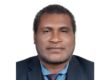
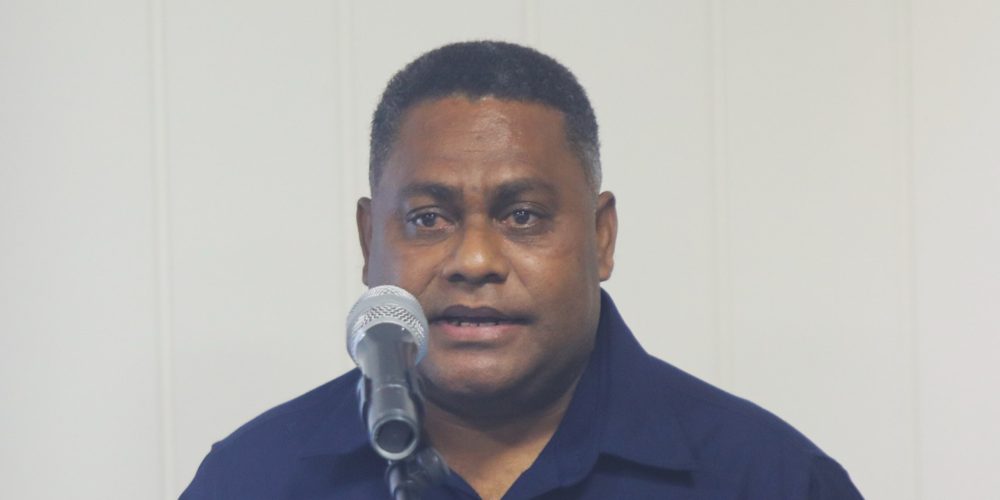
Speaking during the second reading of the 2026 Appropriation Bill 2025 on Monday, Minister of Finance and Treasury, Rexson Ramofafia, said the SIG budget balance reflects the government’s true financial position because it excludes all donor funding and measures only government revenues against government expenditures.
He said the decision to reduce the SIG deficit next year demonstrates the government’s commitment to consolidating its financial position and improving fiscal stability over the medium term.
Minister Ramofafia also highlighted that the GNUT Government has adopted a unique and unconventional theme for the 2026 Budget—one deliberately crafted to signal a new approach to economic transformation.
The theme is: “Accelerating Economic Transformation: Resourcing the Resourced to Drive Economic Growth and Sustainable Development.”
“This theme is not mere rhetoric; it is a bold declaration of intent,” he said. “It reflects a new strategy that the Government will adopt to revitalise growth in the Solomon Islands and accelerate our path toward economic transformation.”
He explained that “resourcing the resourced” means government will focus on supporting those who already possess the capacity to scale up investments and improve productivity—particularly in agriculture, fisheries, mining, and tourism.
“We are expanding our stakeholders,” he said. “We will work with farmers, resource owners, small and medium enterprises, and investors—anyone willing to partner with us to elevate and transform our economy. But our partners must already be productively engaged in their enterprises and ready to commit time and resources to the transformative projects outlined in the 2026 Budget.”
He said this pragmatic approach reflects current economic realities and recognises the importance of partnering with those who can realistically help the country achieve its development goals.
“This effort will be pursued through strategic partnerships, resource sharing, and initiatives that create mutual benefits,” he said.
“We anticipate quick wins, with partners driving productivity through their expertise and resources, while the government provides a supportive and enabling environment.”
Minister Ramofafia stressed that government cannot do everything alone, and partnerships must be formed with those who are both willing and capable.
He also issued a special appeal to donors and development partners to work closely with central agencies from next year as they spearhead economic transformation efforts.
“This collaboration is not just desirable—it is a game-changing opportunity,” he said. “It will lay the foundation for broad-based benefits: expanding production, boosting exports, creating jobs, alleviating poverty, and driving rural development, especially in our resource-rich regions.”
He said these outcomes will place the Solomon Islands on a firm path toward sustainable growth and help transform the nation into a modern and vibrant economy.
The preparation of the 2026 National Budget was guided by six core development objectives:
- Promoting transformative and sustainable growth
- Maintaining an affordable budget
- Safeguarding fiscal stability
- Improving service delivery through quality spending
- Strengthening national unity and empowering people
- Advancing good governance and accountability
Minister Ramofafia concluded that rebuilding the Solomon Islands economy requires a collective national effort that begins with Parliament.
He emphasised the need for stronger partnerships, deeper collaboration, and coordinated action across government and all stakeholders.
“Only through unity of purpose and shared responsibility can we fully implement the 2026 National Budget and deliver the improved quality of life our people deserve,” he said.
The budget debate will begin on Monday, 1 December, after Prime Minister Jeremiah Manele moved a special adjournment to allow the Public Accounts Committee to complete its work and prepare its report this week.
By EDDIE OSIFELO
Solomon Star, Honiara