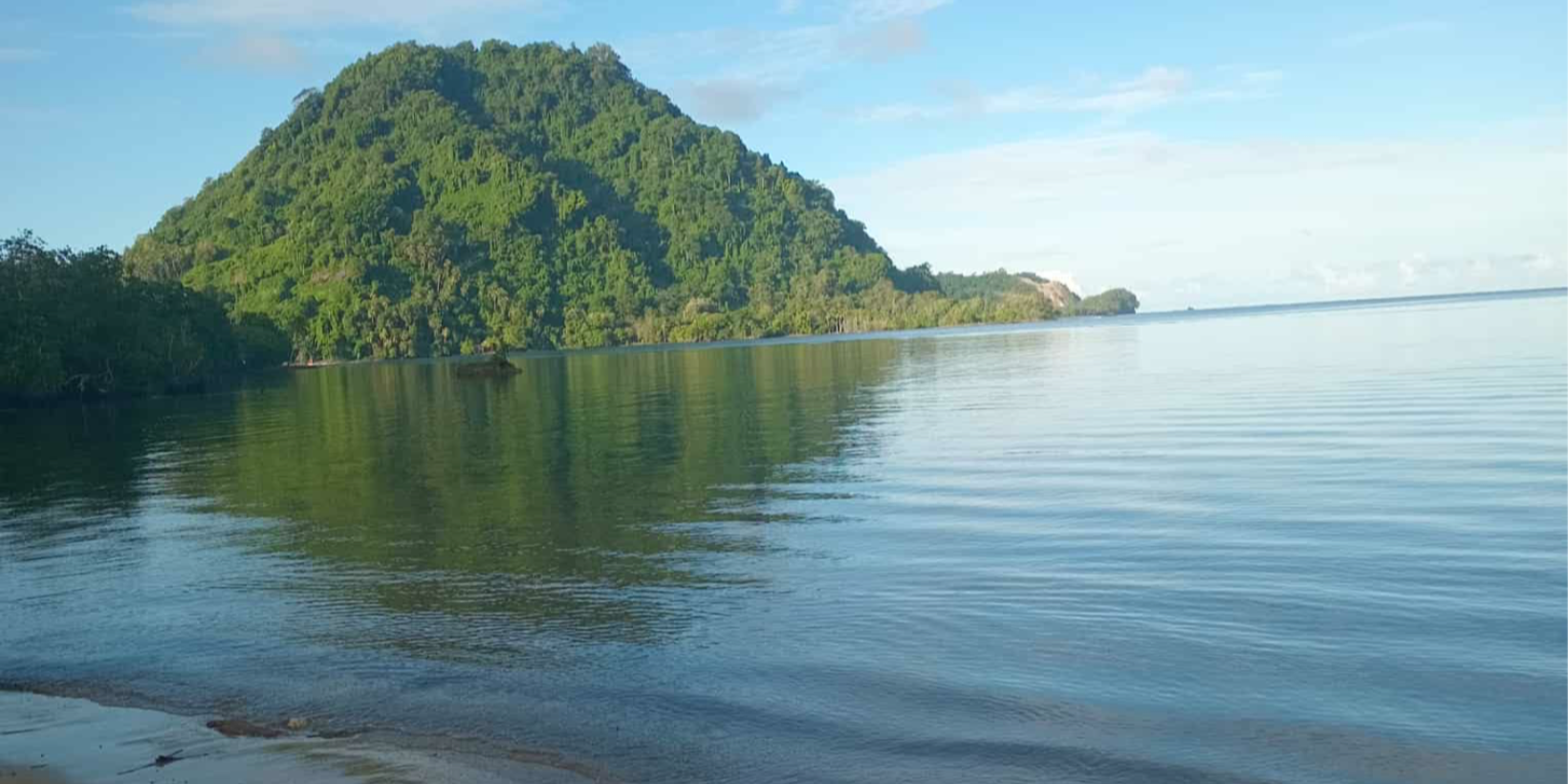
The escalating impacts of climate change and the persistent threat of volcanic activity on Simbo Island in Western Province have renewed calls for a structured and culturally sensitive relocation plan for the residents of the island .
Member of the Provincial Assembly (MPA) for Ward 3 (Nusa Simbo), Hon.Gideon Tuke, has raised serious concerns over the growing vulnerability of his constituents, warning that inaction could leave communities exposed to life-threatening risks.
Speaking to Solomon Star this week, Mr. Tuke said Simbo Island is facing a “dual crisis” — rising sea levels and geological instability due to its active volcanic landscape.
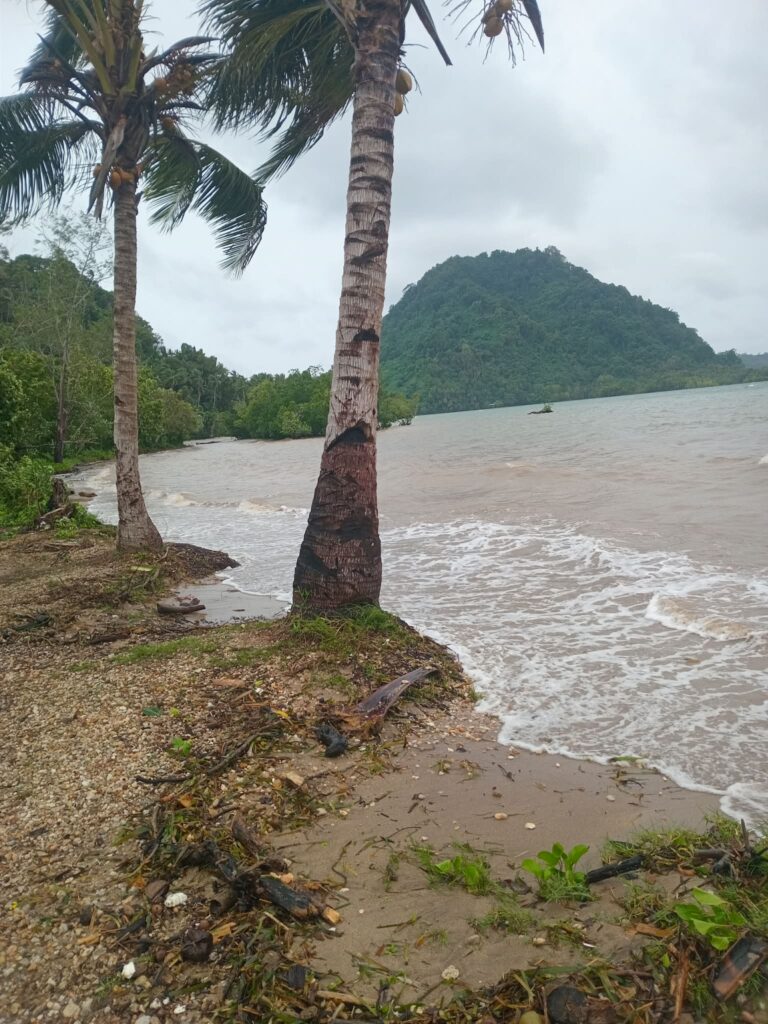
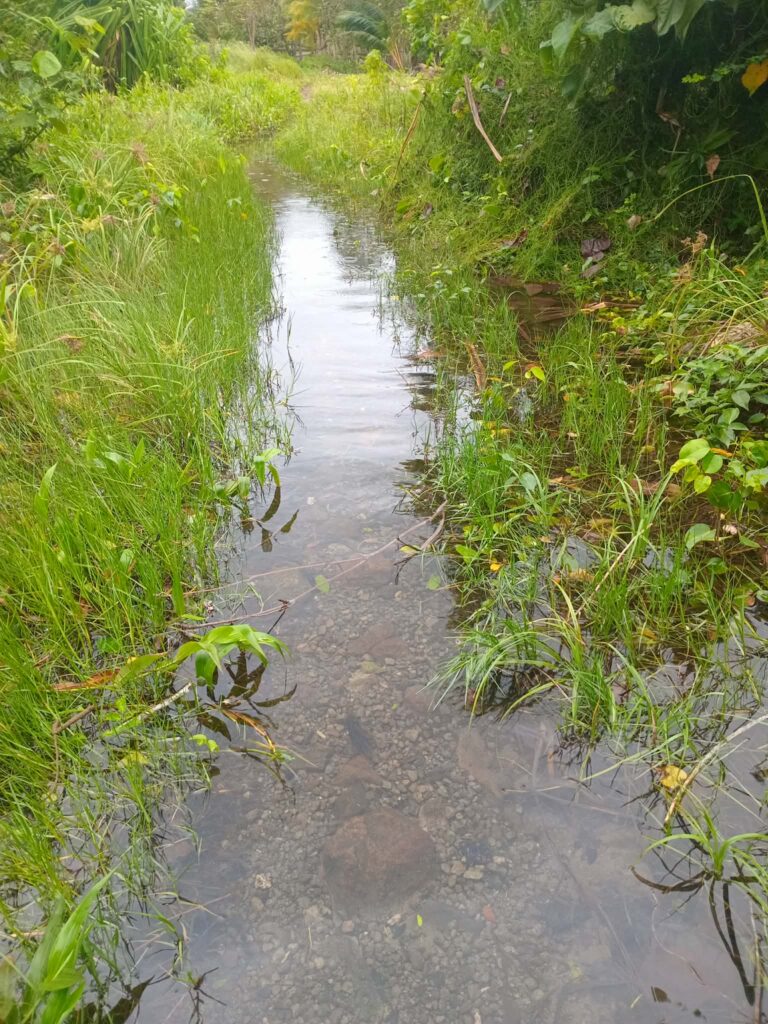
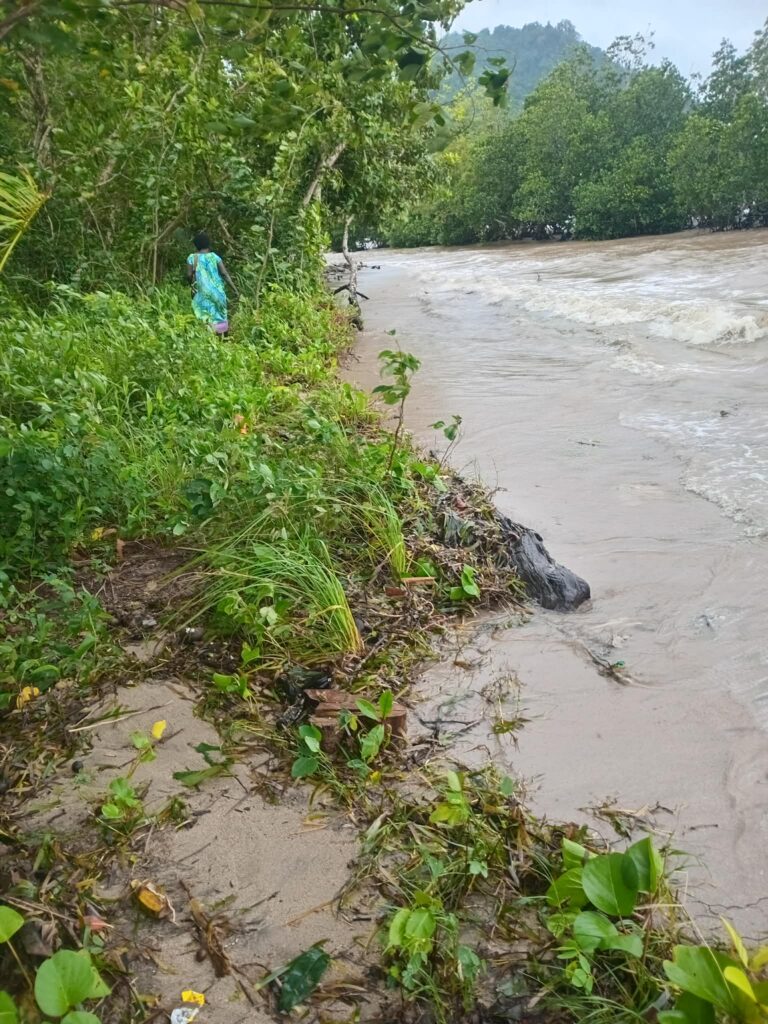
He explained that coastal erosion and saltwater intrusion are steadily encroaching on traditional settlement areas, roads and gardening lands, undermining food security and livelihoods.
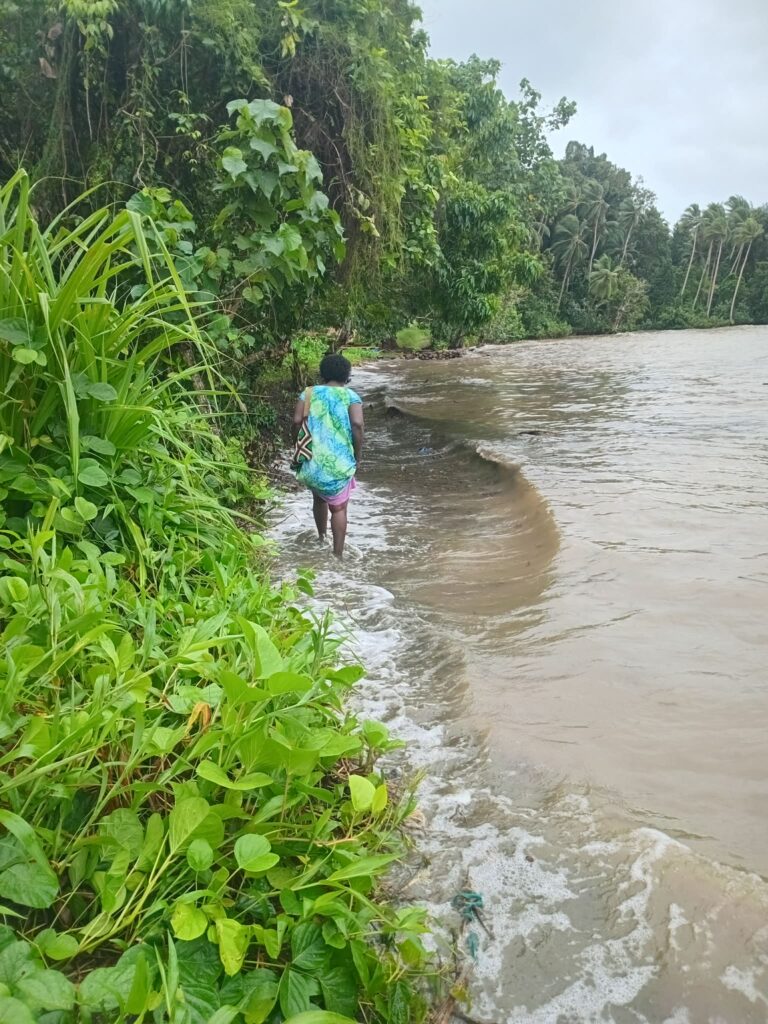
“At the same time, being a volcanic island means we are always living with the risk of eruption or seismic activity,” Tuke said.
While acknowledging that relocation is a sensitive and complex issue, the MPA stressed that waiting for a disaster is not a viable option.
He emphasized that any relocation plan must identify safe land while respecting the cultural identity, traditions, and collective rights of the Simbo people.
“We cannot ignore the signs any longer. Between the sea coming in and the ground beneath us, we must look toward a future that involves moving our people to safer ground,” he said.
Tuke highlighted that the Solomon Islands Planned Relocation Guidelines were handed over to the national government in 2022, with funding support from the International Organization for Migration (IOM).
He said the guidelines provide a framework for planned relocation, outlining steps before, during, and after relocation, and promoting rights-based and durable solutions.
However, he noted that the guidelines currently focus primarily on low-lying atolls and artificial islands, leaving volcanic and high-island communities like Simbo with limited policy coverage.
“I believe the Government is working on a broader Relocation Policy Framework, but it must be rights-based, culturally sensitive, and tailored to each island’s unique context,” Tuke said.
He pointed out that Simbo’s situation is particularly critical due to its small land area, single ethnic group, and growing population.
Tuke also referenced the 2007 earthquake and tsunami, saying that while nearby Ranongga Island was uplifted, Simbo was reportedly pushed downward increasing its vulnerability to sea-level rise.
He added that land scarcity is another major challenge, with about 60 percent of the island’s usable land dominated by rugged mountains and steep valleys, leaving limited space for settlement and agriculture.
“If we move to higher ground, we can build homes, but then where will we garden? he questioned. Our land is already scarce, and Simbo is slowly sinking,” he said.
Residing in Menge village, Tuke said migration may be the only long-term option if relocation within Solomon Islands proves difficult or not accepted by other ethnic islands.
He suggested that formal migration pathways including labor mobility schemes to Australia’s Northern Territory should be explored and included in national policy discussions.
“I urge the current and future governments to seriously consider this matter before it becomes an emergency,” he said.
Tuke also acknowledged that other islands face similar threats, but said Simbo’s limited landmass makes internal relocation particularly difficult compare to other islands that has big land mass and landscape.
Meanwhile, he confirmed that he will convene a community consultation next month with chiefs, church leaders, tribal elders, and landowners to discuss the island’s future under the theme: “Simbo Look at Itself.”
He said the outcome of the consultation will determine whether the relocation agenda moves forward or is reconsidered.
By ULUTAH GINA
Solomon Star, Gizo