Burial ground affected by rising tide raising concern amongst villagers
By GEHAZI SEKO
Solomon Star Stringer
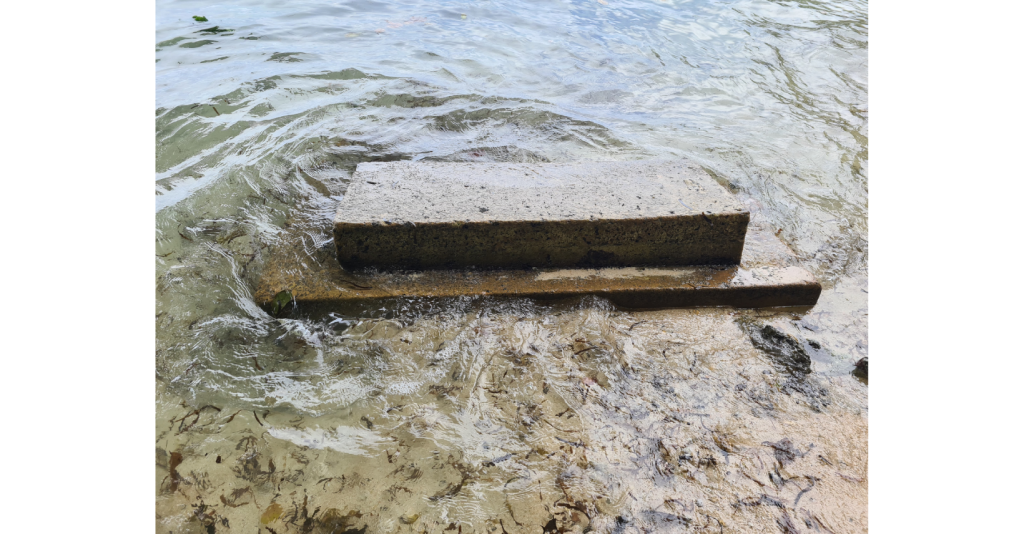
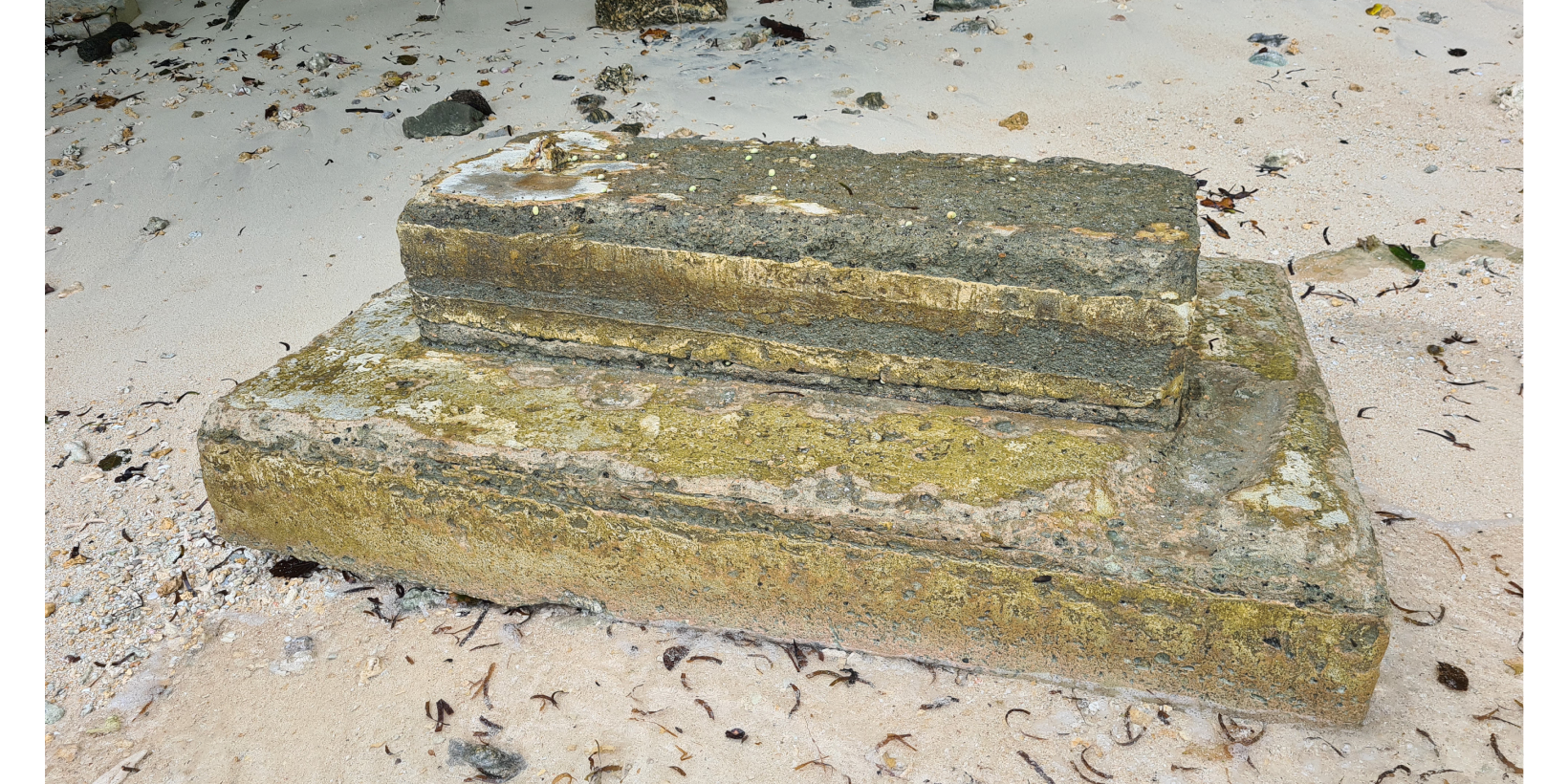
The remote coastal community of Molivaqa village in Northwest Choiseul is witnessing a painful reminder of the growing impacts of climate change, as rising sea levels have swallowed parts of the village’s once sacred graveyard.
For generations, the burial ground stood as a place of remembrance and respect for the people of Molivaqa community.
However, much of the site has been overtaken by the sea, leaving villagers concerned about the future of their land and heritage.
Community elder Mr. Nevol Pitavoqa said the graveyard was once located safely inland, but over the years the shoreline has gradually moved closer.
“Our graveyard was once a sacred place where families came to remember their loved ones,” he said
“Now the sea has covered it. It is painful for us because it holds the history of our people.”
Mr. Pitavoqa, explained that the steady rise in sea level has been noticeable over the past several years, with coastal erosion slowly eating away at the land.
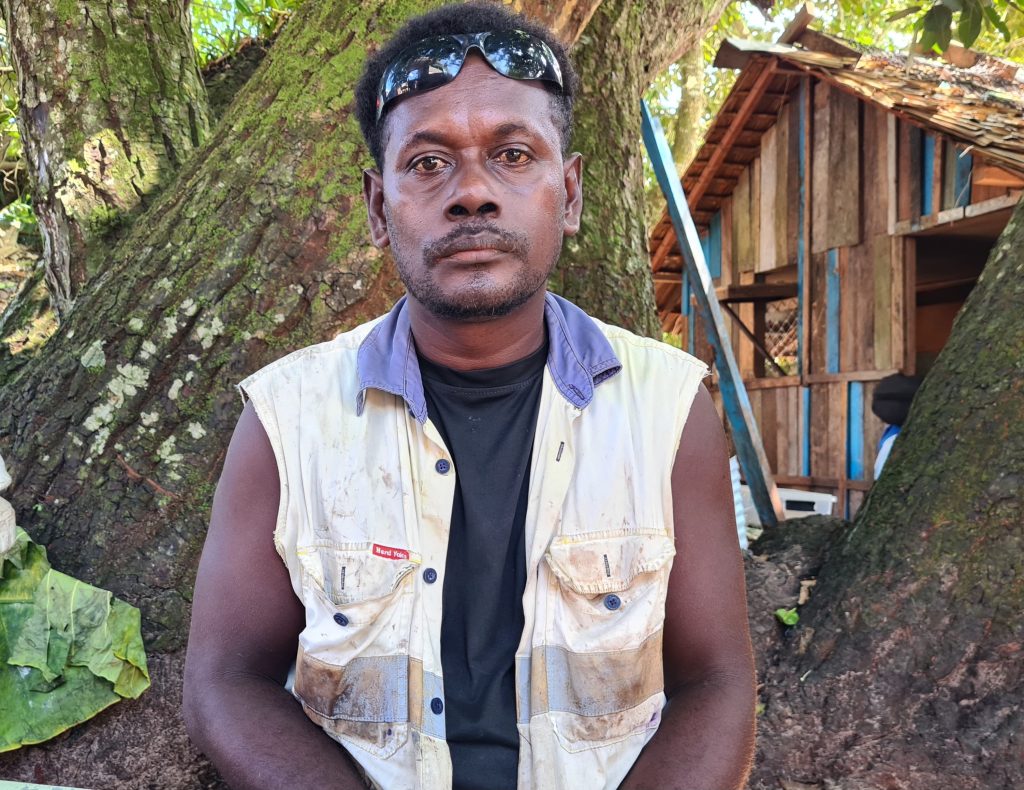
“We fear that if the trend continues, more areas of the village could also be affected,” he said.
The loss of the graveyard has deeply affected residents, who regard burial sites as important cultural and spiritual landmarks.
“Those graves represent our ancestors and our story as a community. Seeing them disappear under the sea is something we never expected,” he stated.
Like many coastal communities across the Solomon Islands, Molivaqa is increasingly vulnerable to the impacts of climate change, including sea level rise and coastal erosion.
The community is now calling for greater awareness and support to help vulnerable villages adapt to the changing environment and protect what remains of their land.
For the people of Molivaqa, the disappearing graveyard is more than just land lost to the sea, it is a powerful symbol of how climate change is beginning to erase pieces of their history and identity.