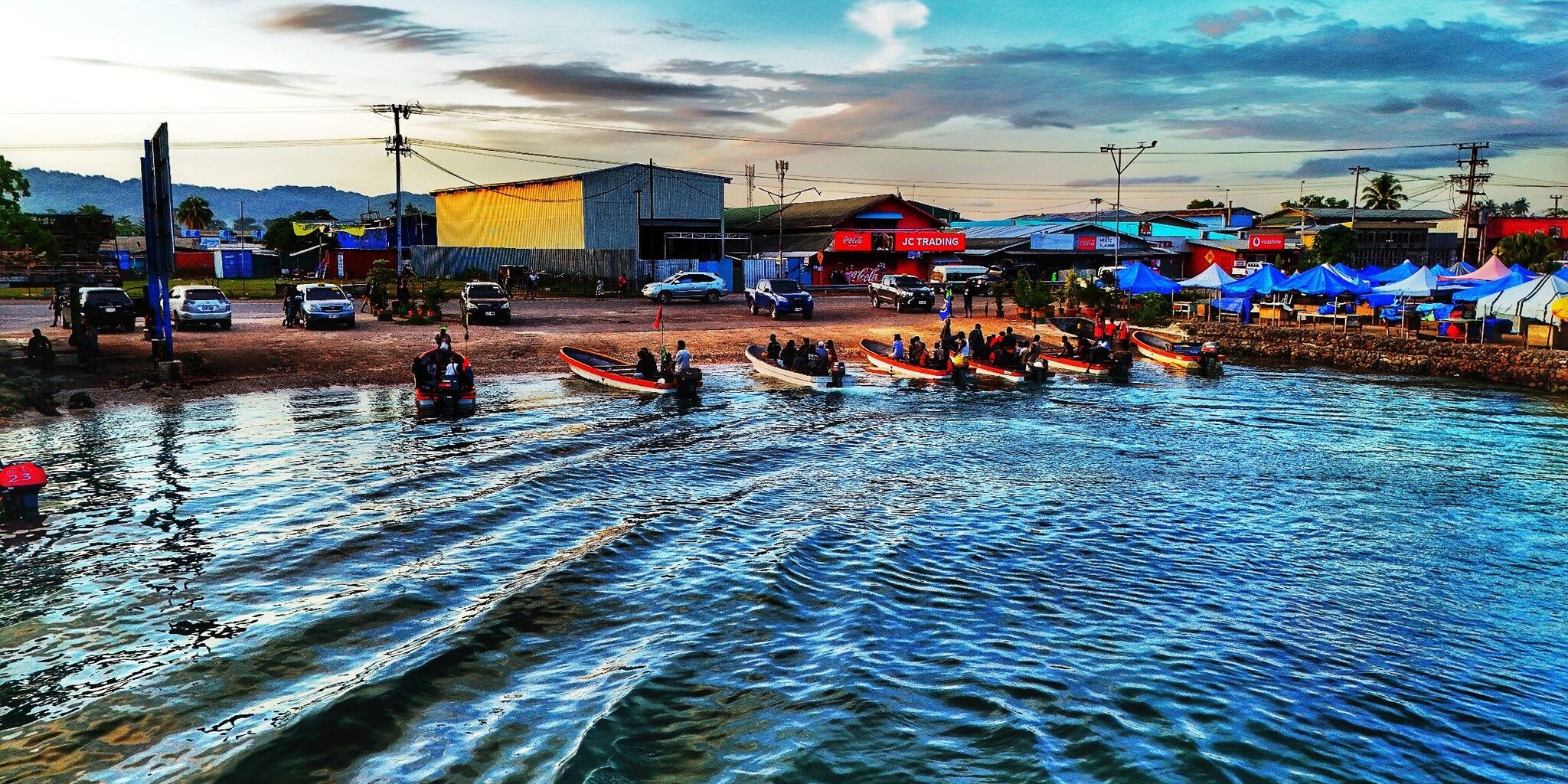
Long-standing trading ties between the Shortland Islands in Western Province and Bougainville continue to sustain livelihoods for families living along Solomon Islands’ far western border, despite ongoing legal, security and weather-related challenges.
For generations, the people of Shortlands and Bougainville have shared strong cultural, family and traditional ties, long before modern national borders were drawn between Solomon Islands and Papua New Guinea (PNG).
Today, these historical relationships continue to shape informal cross-border trading activities that many border communities rely on for daily survival.
Situated only a short boat journey from Bougainville, the Shortland Islands have traditionally served as a natural meeting point for traders from both sides of the border.
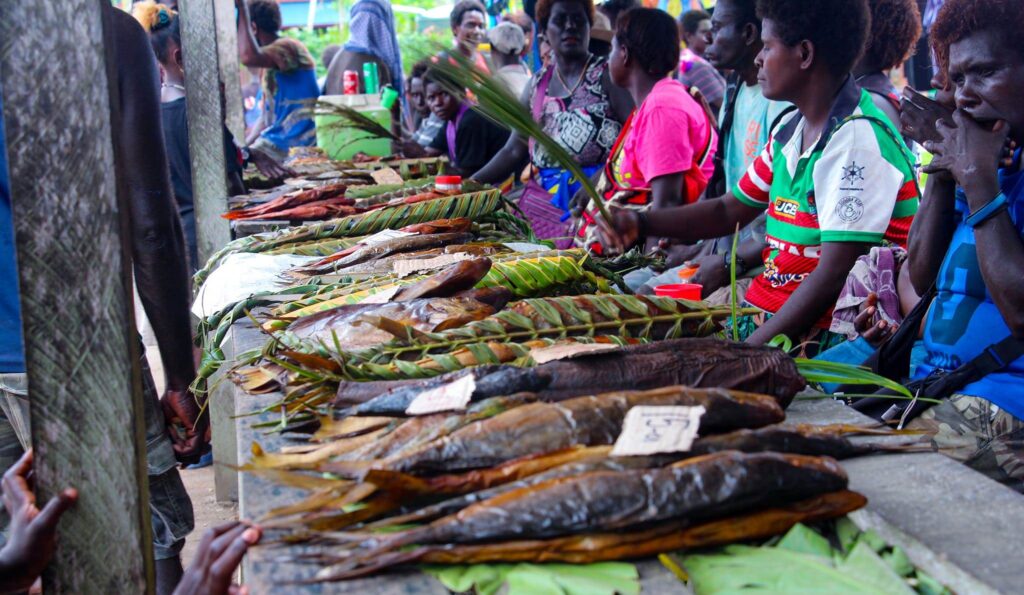
Islanders regularly travel across the seas to exchange goods that are critical to household income and food security.
One of the main commodities traded from the Solomon Islands side is smoked fish and fresh fish, which are highly valued in Bougainville that bought in Kina (PNGF Currency).
Currently copra and cocoa are also high in demands in Bougainville as well.
These products are commonly sold at markets in Buka, Bougainville’s main commercial centre facing Shortland Isands, where traders use the proceeds to purchase store goods that are either unavailable or more expensive in Shortlands.
In return, Bougainvillean traders also travel into Solomon Islands waters to buy items such as alcohol, beer, fresh produce, cooking gas (kasu gas) and other household goods from shops in Taro, Choiseul, Gizo, Western Province and even in Honiara.
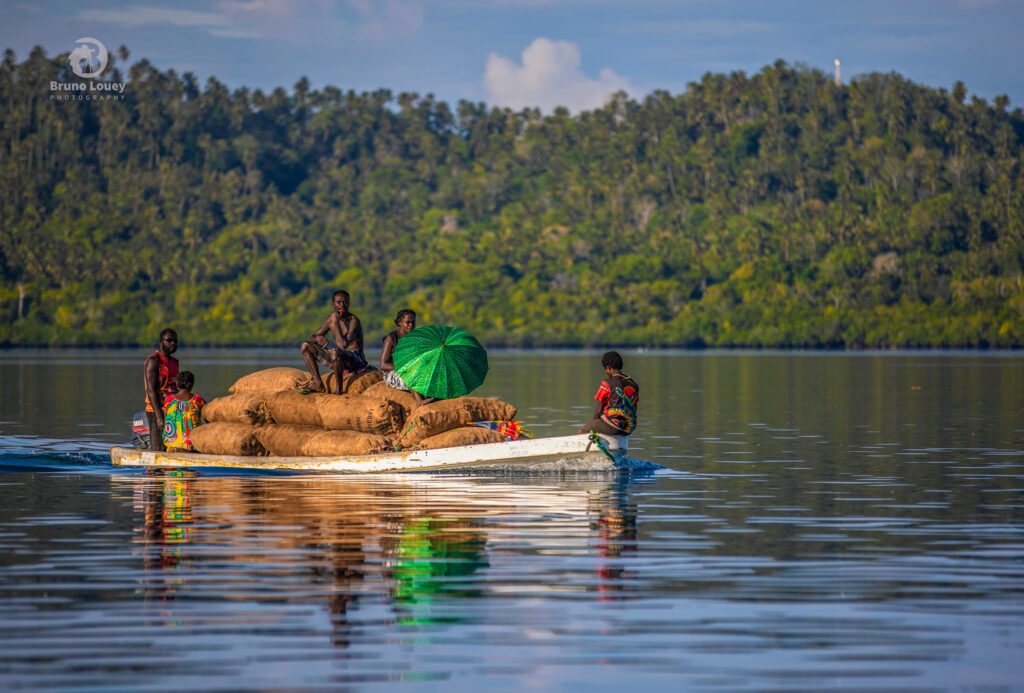
These items are either consumed locally or resold in Bougainville communities.
Boat trading has also become an important income-generating activity along the border.
Traders from Bougainville, and even as far as Rabaul in East New Britain Province, travel by sea to the Shortlands border and onward to Gizo to sell ray-boats.
The vessels are in high demand among islanders who depend heavily on sea transport for fishing, trading and everyday travel.
Although the cost of travel can exceed $90k or more for fuel and supplies and other costs, traders say the returns often make the journey worthwhile.
“Fuel costs are high, but when you sell boats or goods in Gizo, the money helps pay school fees, buy food and meet family needs,” one trader from Bougainville said.
As Bougainville moves closer to independence, and is expected to be known as the Northern Solomons, many border communities believe trading links between Bougainville and Western Province will become even more significant.
Islanders say the cultural closeness between Shortlands and Bougainville positions Western Province as a natural trading partner in the future.
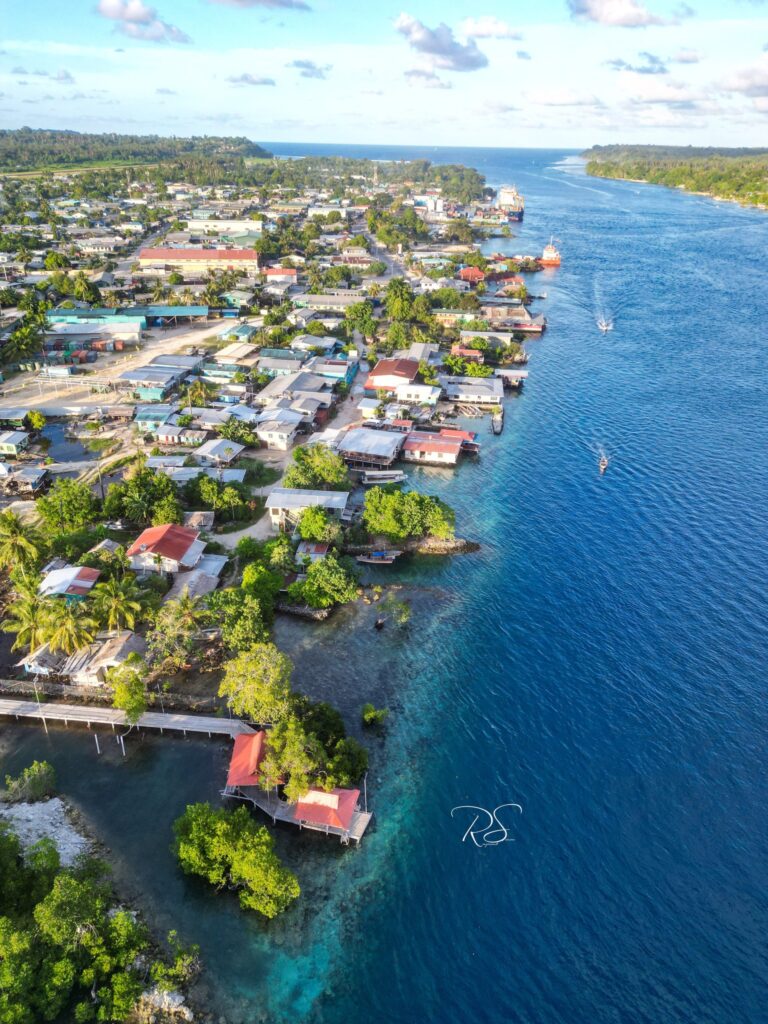
Historically, Western Province and Bougainville share deep roots. Before colonial boundaries were imposed by British and German administrations, people freely moved across the seas, traded goods, intermarried and shared customs.
While the establishment of national borders later restricted movement, traditional relationships remained strong.
However, authorities have reiterated that cross-border trading remains illegal under current laws, and unregulated movement poses challenges, particularly in terms of security and biosecurity risks.
Security continues to be a key concern along the Western Province–Bougainville border.
The Royal Solomon Islands Police Force (RSIPF) maintains patrols and border surveillance to monitor movements and prevent illegal activities.
The importance of cross-border trade was highlighted in 2020, when communities in the far western Shortland Islands experienced food shortages following the closure of the western border due to COVID-19.
This situation was identified by a team from the Western Provincial Ministry of Agriculture and Livestock during a visit to the Shortland Islands at the time.
The team found that many families were struggling to access sufficient food.
Former Principal Field Officer John Kepas said, the situation had been developing for many years, largely due to the decline in gardening.
“Wild pigs usually destroy gardens, and this forced many families to stop gardening altogether,” Mr Kepas told Solomon Star in an interview.
He said many people then turned to fishing and selling their catch across the border in Bougainville, particularly at smaller markets in Buin and as far as Arawa, to earn money to support their families.
“That’s where they earn their income,” he said.
Mr Kepas said families would usually buy food and other household items from shops and local vegetable markets before returning to their villages in Shortlands.
However, when the border was closed during COVID-19 for almost four months, many families were left without income, making the situation extremely difficult.
To strengthen border security and management, the government has established the Lofung Border Outpost under the Ministry of Police, National Security and Correctional Services (MPNSCS).
Lofung Open day was officiated last year in November at the Lofung new Patrol Border Outpost.
According to MPNSCS the outpost symbolizes the government’s commitment to safeguarding national sovereignty, enhancing law enforcement capacity and promoting peace and unity within border communities.
It is a key component of the National Security Strategy and the National Border Security Strategy, which identify the western border as a critical area for trade, movement and security cooperation.
“The facility is a flagship infrastructure project supported by the Australian Government and implemented in partnership with Reeves International, Hall and Icon.
“Beyond strengthening national security, the outpost is also positioned as a gateway for legitimate trade, sustainable economic development and local empowerment, with early benefits already evident through increased employment and local business opportunities,” MPNSCS stated.
Principal Border Security Officer Joseph Arebonto said the Lofung Border Outpost represents more than infrastructure.
“The Lofung Border Outpost is more than just a building. It is a promise of safety, opportunity and progress,” Mr Arebonto told the gathering during the Lofung open day last year.
“Together, we must guard our borders, grow our economy and build a stronger Solomon Islands for future generations,” he said.
Designed as a multi-agency facility, the outpost integrates the work of the RSIPF, Customs, Immigration, Biosecurity and other agencies to improve coordination and response to emerging challenges at the western frontier.
As weather conditions, fuel prices and security issues continue to affect movement across the border, the resilience of border communities remains evident.
For families in Shortlands and Bougainville, the sea is not a barrier but a bridge—connecting histories, cultures and economies that have existed for centuries.
With Bougainville’s political future entering a new chapter, many in Western Province are watching closely, hopeful that long-standing traditional ties will one day be recognised within a formal and regulated trading framework that benefits communities on both sides of the border.
By ULUTAH GINA
Solomon Star, Gizo