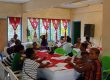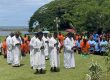
Nationwide consultations are underway across the Solomon Islands, led by the Ministry of Women, Youth, Children and Family Affairs (MWYCFA) in collaboration with civil society organisations, local communities, and technical partner UN Women.
This is to develop the Solomon Islands’ first-ever National Prevention Strategy to End Violence Against Women and Girls.
Violence against women and girls remains one of the most pressing social issues in Solomon Islands. National research shows that two in every three women have experienced physical or sexual violence from an intimate partner in their lifetime – one of the highest rates globally.
The impacts are devastating, affecting not only women and girls but also families, communities, and the nation’s development.
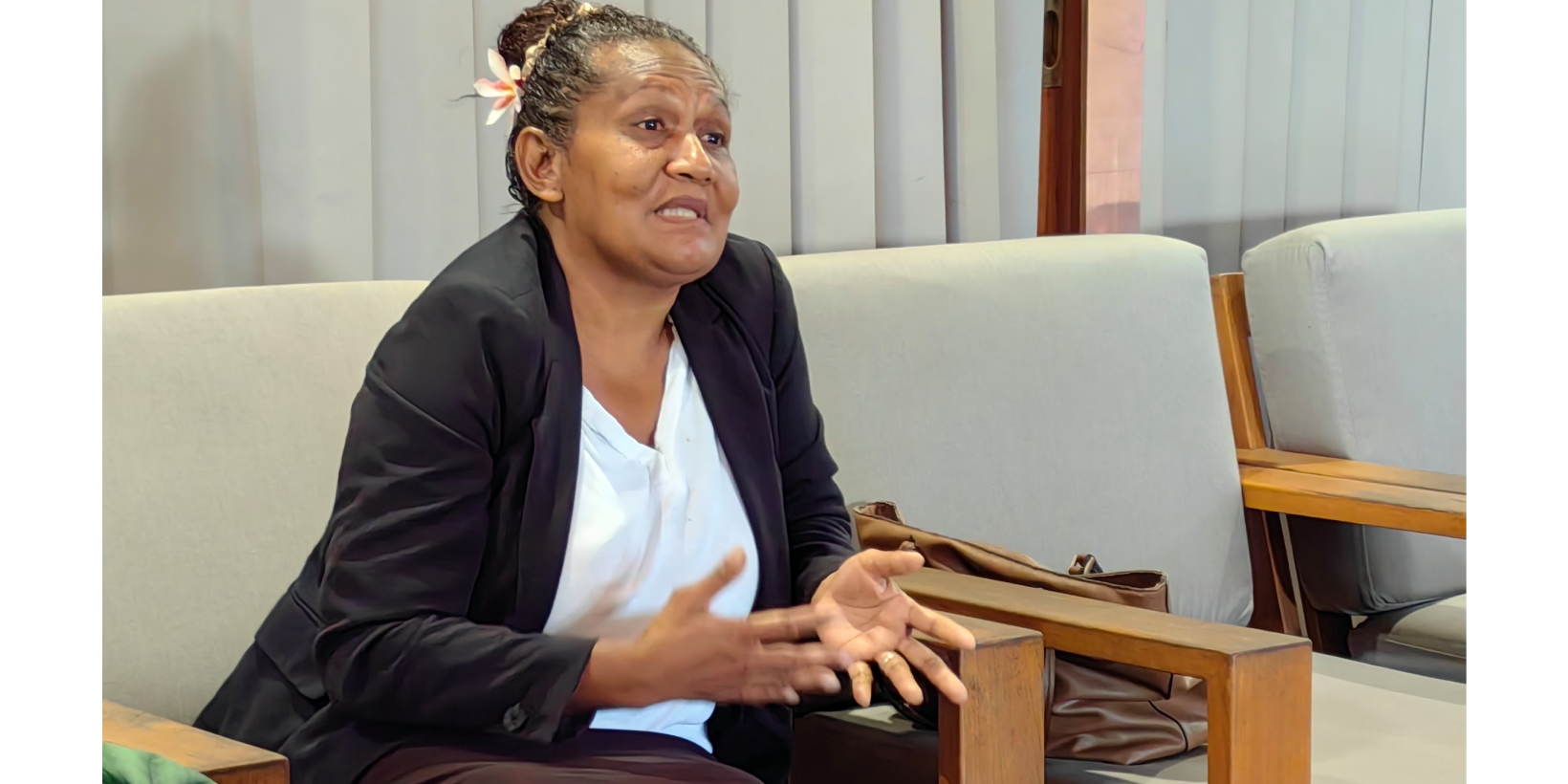
Speaking on the progress of the national consultations, the Minister for Women, Youth, Children and Family Affairs, Hon. Cathy Nori, said the Government recognises that prevention is just as critical as providing quality and timely services for survivors of violence.
She emphasised the importance of aligning both areas to ensure a coordinated and sustainable response to gender-based violence across the Solomon Islands.
“Preventing violence against women and girls is just as important as responding to it. We must strengthen both prevention and services, so they work hand in hand – stopping violence before it starts by working with men and boys, women and girls, and communities, while ensuring that survivors receive the care and support, they deserve.
“Through these consultations, we are listening to communities across the country to shape a strategy that reflects our collective vision for a safer, more equal Solomon Islands,” said Hon. Nori.
Recognizing this urgent challenge, the Government of Solomon Islands is taking bold action to strengthen prevention – addressing the root causes of violence and advancing gender equality for all.
This landmark strategy is a costed National Prevention Strategy, one that outlines the estimated costs of implementing its actions, aimed at ending violence against women and girls and promoting gender equality.
Alongside this work, the Ministry is also reviewing and enhancing the SAFENET Guidebook 2017: The SAFENET Standard Operating Procedures for Referral and Coordination of Sexual and Gender-Based Violence Services. After more than seven years since its development,the review is a chance to assess SAFENET’s successes and future directions. It aims to ensure the Guidebookremains relevant, effective, and responsive to the evolving needs of survivors and service providers.
UN Women has been supporting this critical work as a key partner to the Ministry through the Pacific Partnership to End Violence Against Women and Girls (Pacific Partnership), funded primarily by the Government of Australia, and the European Union (EU), and coordinated by UN Women and the Pacific Community (SPC), in strategic partnership with the Pacific Islands Forum.
The national consultations are being conducted through four key engagement streams to ensure a diversity of perspectives are captured:
- Women and Girls – Focus group discussions with community-based women and girls over 16 years old, ensuring their voices inform the strategy.
- Other Key Groups – to ensure that the strategies identified is inclusive and serve the need of diverse people, focus group discussions with various groups including people with disability and women in business will also be conducted.
- Provincial Stakeholders – Engagement with local officials and stakeholders to understand local issues and potential solutions for preventing violence.
- National Stakeholders – Individual interviews with key national actors whose input is critical to the strategy’s success.
- Public Submissions – An avenue for anyone across the country to contribute their views, particularly where in-person consultations are not possible.
These consultations have been held across all provinces, including Choiseul, Guadalcanal, Malaita, Temotu, and Western, ensuring the strategy reflects the experiences and priorities of communities nationwide.
Focus group discussions with women and girls in Honiara will commence soon, and opportunities for public submissions will follow.
“Preventing violence against women and girls is not the work of one ministry, one community, or one group alone. It requires all of us, standing together across the Solomon Islands, to build a safer, fairer, and more united nation for everyone,” said Hon. Nori.
The Ministry encourages all communities to stay engaged and will provide regular updates on the consultation process, including key milestones toward finalising the strategy. The final National Prevention Strategy is expected to be completed in 2026, third quarter.
– MWYCFA Press