In the heart of West Kwaio, Malaita Province a young and determined farmer is planting hope alongside cocoa seedlings, proving that resilience and innovation can thrive even amid market challenges.
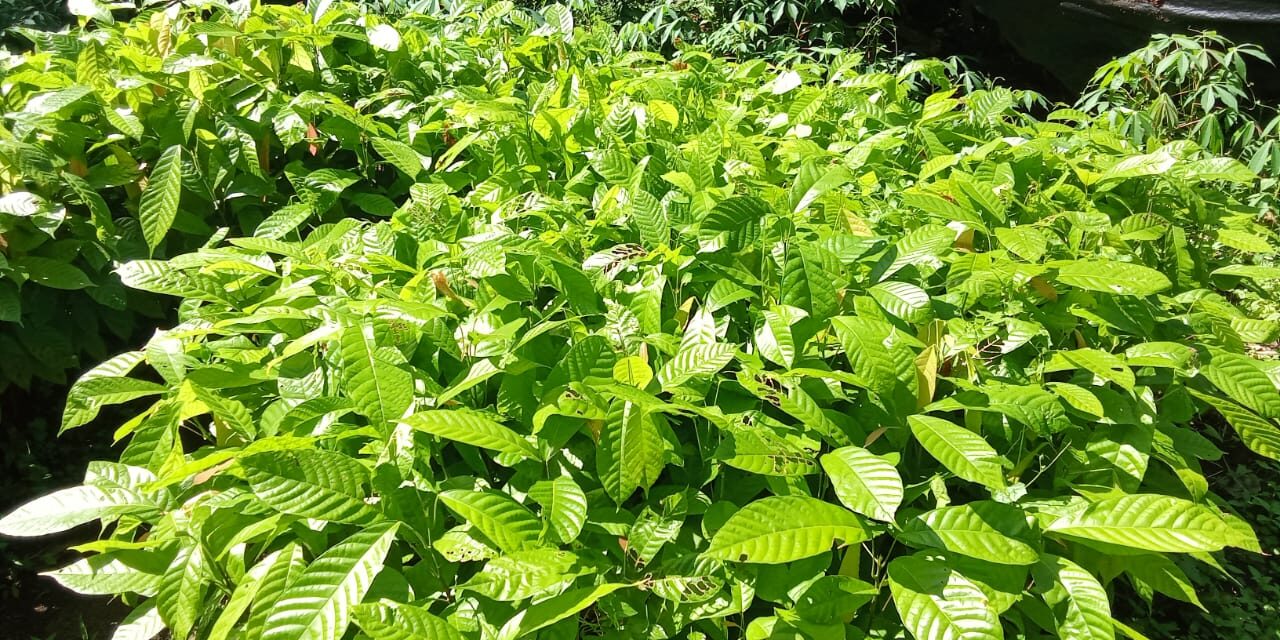
Jethro Maelaga, an ambitious youth farmer from the region, has successfully raised 1,000 cocoa seedlings that are now ready for transplanting into his farm.
The seedlings were established in mid-2025 and have grown strong and healthy, marking an important milestone in his plan to expand his cocoa plantation to one hectare.
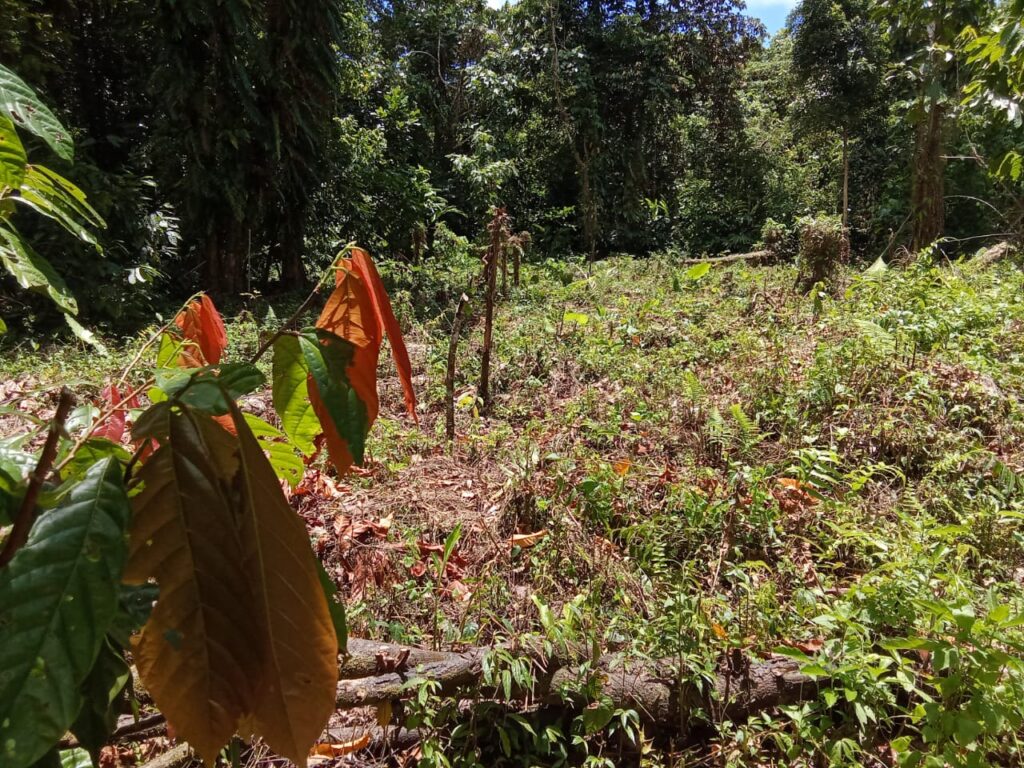
“I already cleared and prepared my farm area for planting,” Maelaga said.
“This time, I want to focus properly on planting my seedlings because some of the cocoa trees I planted earlier did not grow well and eventually died.”
Despite previous setbacks and a recent drop in cocoa prices compared to last year, Maelaga remains committed to maintaining and developing his farm.
“I will not give up,” he said. “I want to keep working and managing my farm until I benefit from it.”
Cocoa farming continues to attract farmers in West Kwaio due to strong local and export demand for both white and dry cocoa beans. Maelaga says this demand encouraged him to invest more effort into expanding his plantation, even though labour remains a major challenge for small-scale farmers.
“It’s not easy to develop a one-hectare cocoa farm without support, especially when it comes to labour,” he explained. “But I am determined to do it step by step.”
What sets Maelaga apart is his environmentally friendly approach to seedling cultivation. Instead of using plastic polybags, he grows his cocoa seedlings in biodegradable leaf pots made from banana and plantain leaves.
“Polybags are expensive and they pollute the land after use,” he said.
“My grandfather used leaves in his time, so I decided to bring back that method.”
The transition was not without difficulties.
Maelaga lost nearly 200 seedlings during his first trial but learned from the experience by double-wrapping the leaves and reinforcing the base. The improved technique now holds the soil firmly until transplanting time.
His sustainable method has begun to attract interest from nearby farmers, and Maelaga hopes to expand his nursery next year and share his knowledge with others.
He also encourages young people to take up farming. “Instead of staying at home doing nothing, agriculture can improve livelihoods,” he said.
As his seedlings sway gently in the West Kwaio breeze, Maelaga’s efforts stand as a symbol of perseverance, innovation, and hope for sustainable cocoa farming in the Solomon Islands.
By Lesley Foinagwa
MASI Stringer