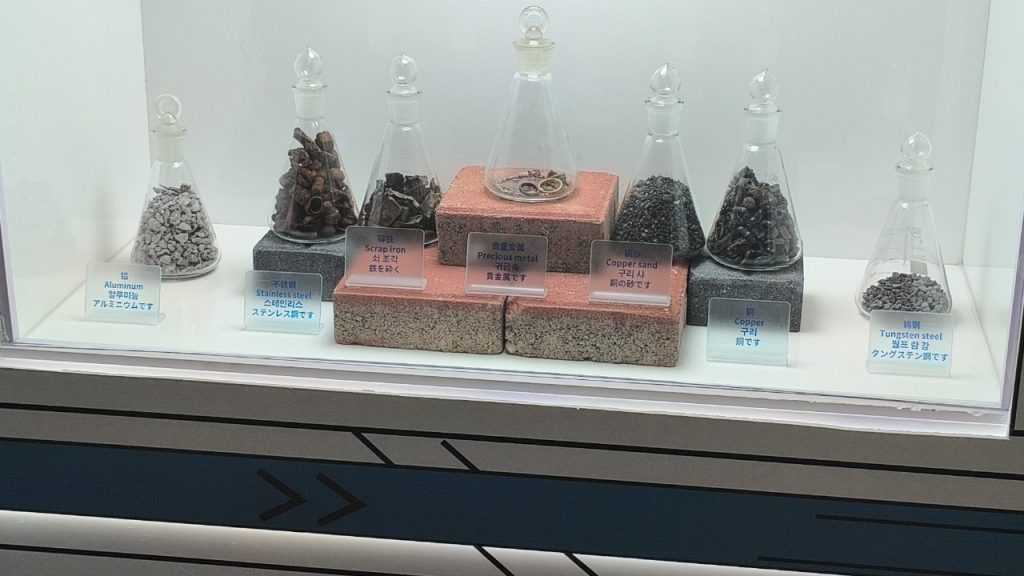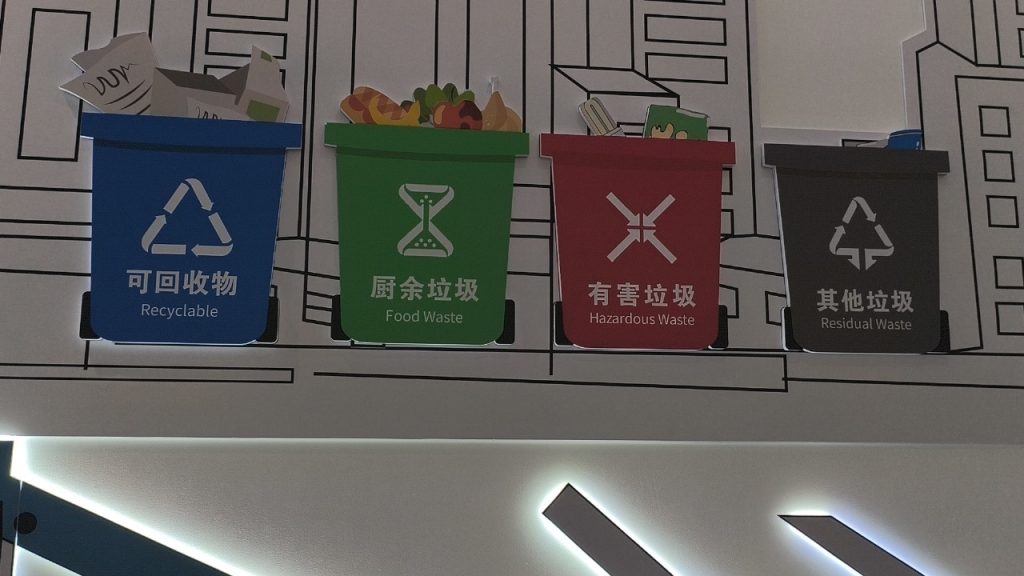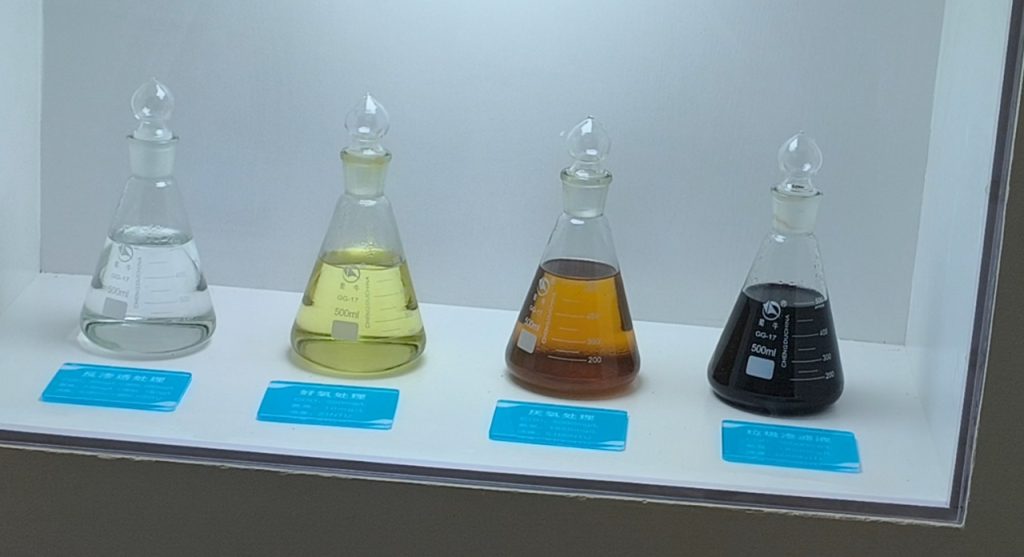
Guangzhou is striving to become a high quality city cluster for living, business, and tourism. Yet the city also faces tremendous challenges, especially in environmental protection. In the area of household waste disposal, Guangzhou has introduced a range of measures as part of our broader environmental protection strategy and our goal of building a modern marine-energy center. To address the city’s waste-management issues, we have launched multiple recycling and treatment projects.
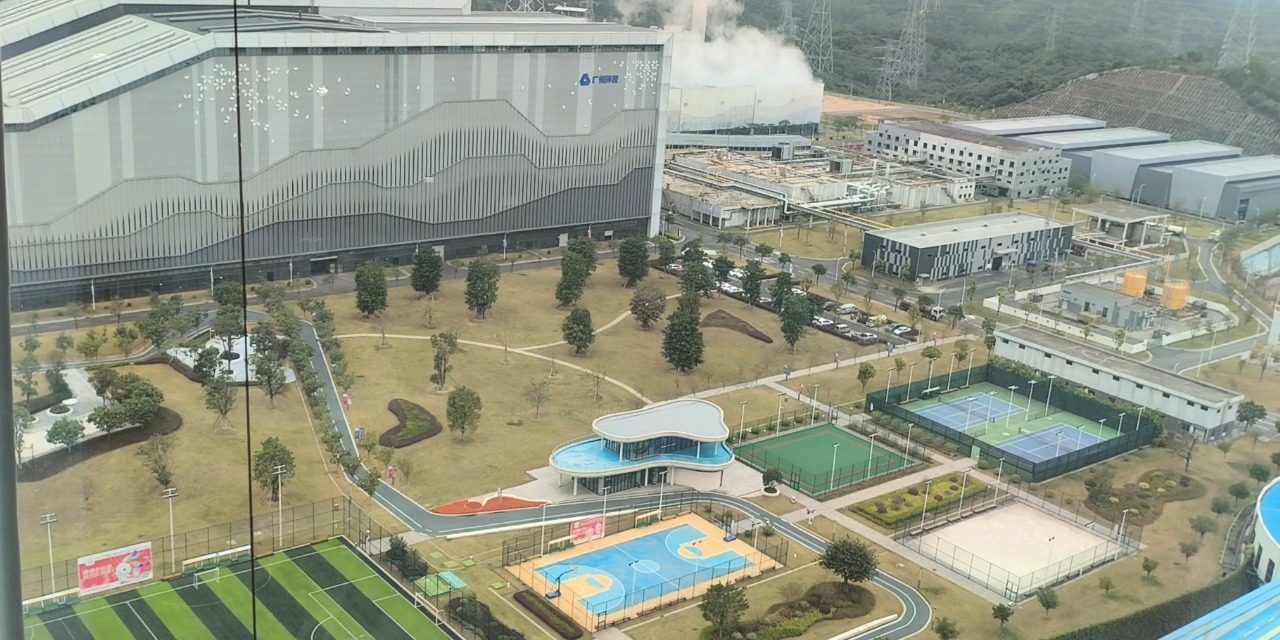
One of the most significant initiatives is the Fusheng Circular Economy Industrial Park, one of China’s major circular economy industry parks. It aims to establish a comprehensive citywide waste disposal system based on classified collection, transportation, and treatment.
The goal is to maximize resource utilization, promote a circular economy, and integrate modern waste-management facilities with the surrounding environment.
The park is located in Fusheng Village, Qinghong Town, Wangfu District, and covers an area of 1,604 square meters. It includes waste incineration plants, biomass disposal facilities, sewer treatment systems, hazardous waste and medical waste facilities, as well as public amenities.
Serving as a solid waste recycling center, an environmental education hub, and an ecological landmark, the park reflects Guangzhou’s commitment to green development.
Importantly, the Fusheng Circular Economy Industrial Park also serves as a hands-on learning environment for young people. During school holidays, the facility welcomes primary, middle school, and university students to participate in educational visits and training programs.
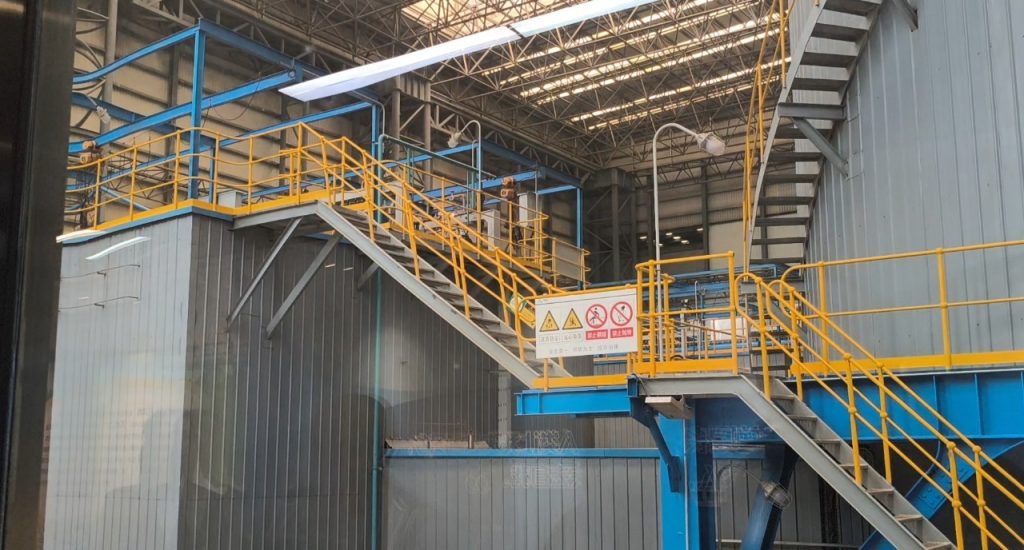
These programs allow students to engage with practical lessons on waste management, interact with environmental experts, and gain firsthand understanding of circular economy systems. By nurturing environmental awareness among youth, the park contributes to building a culture of sustainability from an early age.
Within this complete circular economy industrial chain, the Guangzhou Waste-to-Energy Plant No. 3 serves as the core of the closed loop cycle and plays a key role in the city’s waste disposal. The plant handles 9,300 tons of waste per day and is the first facility in China to integrate an air cooling system above a turbine factory.
It uses an innovative steam turbine condensing system within the waste incineration process, adopting a combination of direct air cooling and evaporative condensation technology. The plant also features world leading double deacidification and denitrification “blue gas” treatment technologies.
Moreover, it is the first in the industry to build a 92.5 meter high sightseeing tower, allowing the public to observe advanced environmental protection processes firsthand. Every design detail reflects our commitment to creating a greener home for residents, and every innovative technology demonstrates our dedication to continuous improvement.
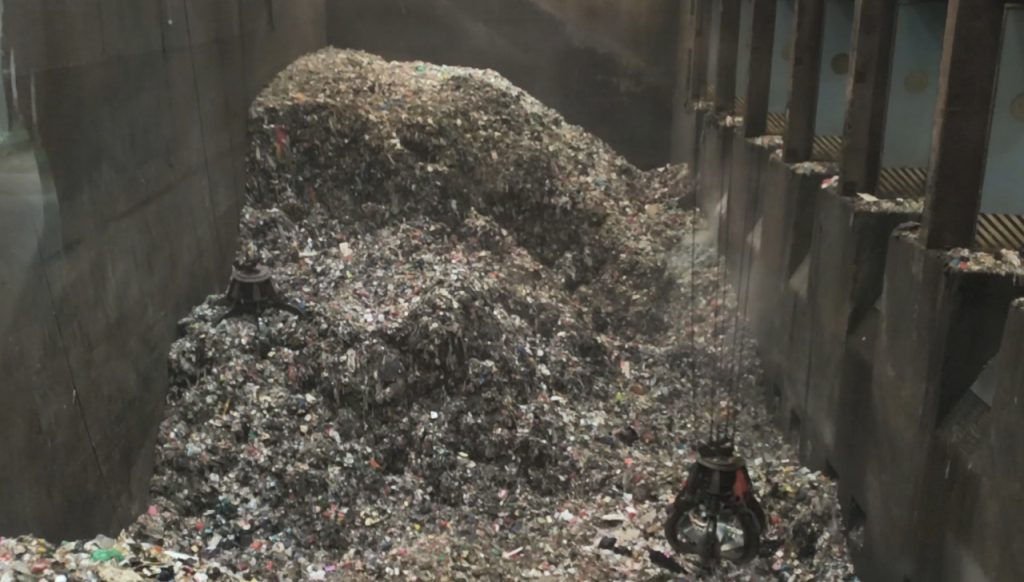
The city’s mass-disposal facility processes 3,300 tons of organic waste daily, using a combined anaerobic system to form the world’s largest single unit of its kind. Guangzhou has developed a treatment model in which household waste is managed primarily through biochemical processes, supported by recycling and classification technologies.
Each year, we process 126,000 tons of waste and can handle up to 2,000 tons per hour. Our operations help convert waste into energy, reduce landfill use, and save approximately 170,000 tons of waste annually contributing to sustainable development in a historic commercial city of 7,323 square meters.
We remain committed to internal environmental management and sustainable urban development, reducing waste while transforming it into valuable energy. Together, let us build a green, livable city and share the benefits of clean water, clean energy, and a cleaner future.
The power of green living. The power of recycling. The power of sustainable development.