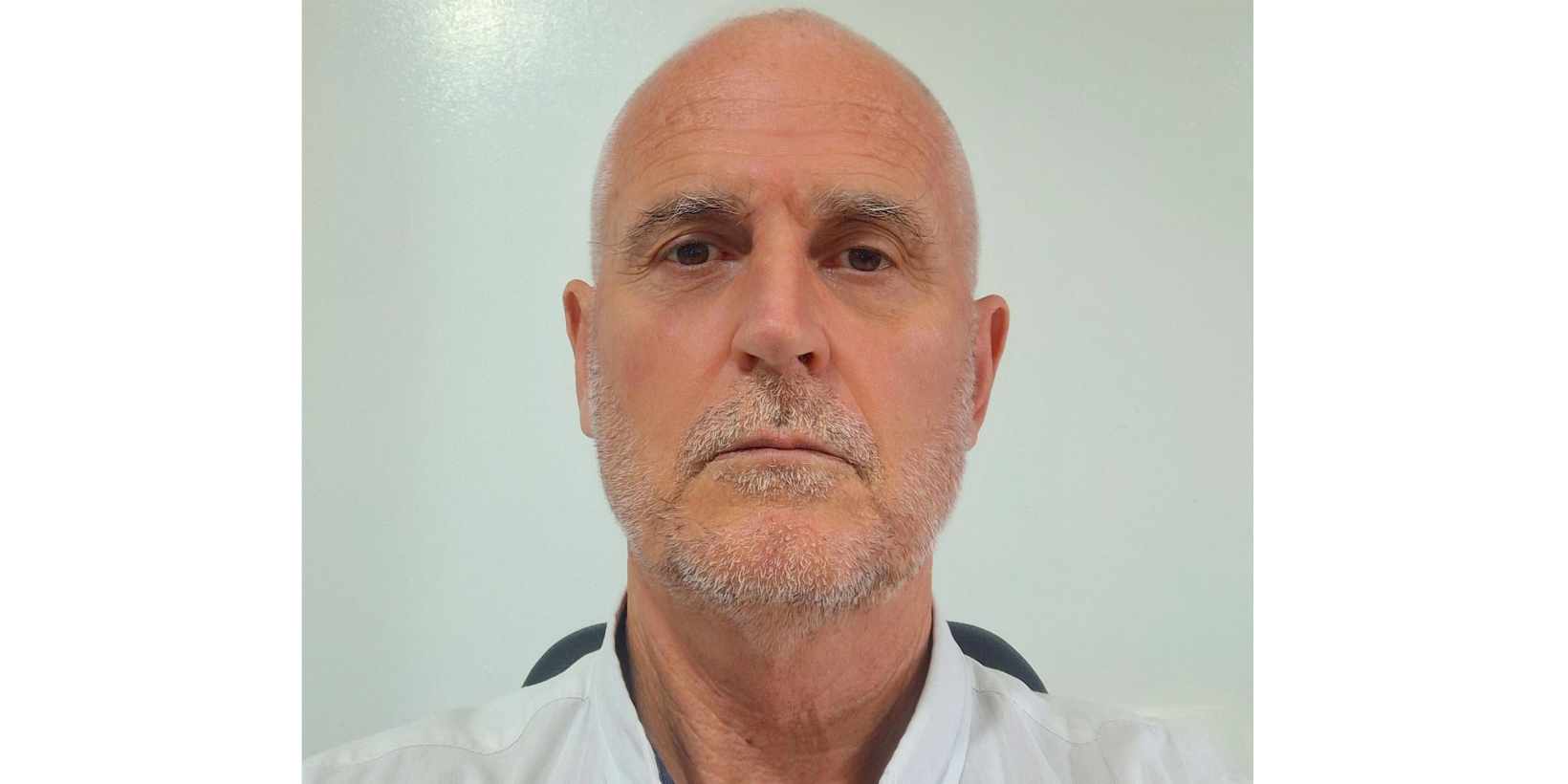
After 8 months as the Interim CEO at Solomon Airlines, Paul Abbot, a veteran executive with experience across Air New Zealand, PNG Air, Air Niugini and Tonga’s Lulutai is angry.
Angry at by commercial action by foreign airlines which is quickly crippling the national carrier, disappointed that collecting frequent flyer points is a priority for many travellers above supporting the needs of Solomon Islands people and frustrated that it may in fact be too late to steer the fate of Solomon Islands national carrier.
In today’s Personal View column, he frankly voices his concerns on the urgency to prevent the loss of yet another national carrier, or at least its domestic airline.
Mr Abbot asks uncomfortable questions – what would life be like in Solomon Islands without a domestic carrier? And if not Solomon Airlines, who would enter the market and operate a network of loss-making routes? Is it time to wave the white flag on Solomon Islands 63-year-old government-owned flag carrier, handing over international routes to foreign operators and leaving domestic routes to ferry services?
Or can we strengthen our national airline for future generations?
Here are his thoughts…
Recent discussions in Parliament have clearly emphasized that nation-building is not the responsibility of Government alone, but rather, it is a collective duty, shared by leaders across all levels whether we serve in the private or public sector, as well as Solomon Islands citizens, families and communities. Among points made, were those we well understand – that Solomon Islands has a cost of living crisis, a ‘narrow’ revenue base and a rapidly growing youth population desperate for jobs, skills and new opportunities.
The latter is of great concern, I have worked in enough countries to know that if you lose the confidence of youth, unrest follows. And if you lose your smart next generation leaders to offshore opportunities, the loss cuts permanently and deeply into families, communities, preservation of culture and chances for home-grown economic prosperity.
As part of the discussions in Parliament, Prime Minister Manele said, “The journey is far from over, but our direction is clear.”
As the national airline, Solomon Airlines plays an authentic and sometimes unseen role in that journey of National building.
Authentic because only a government-owned airline will ever truly support socio-economic objectives for the long haul. Only a national carrier will tirelessly subsidise loss-making domestic routes for the good of its people and the welfare of far-flung communities.
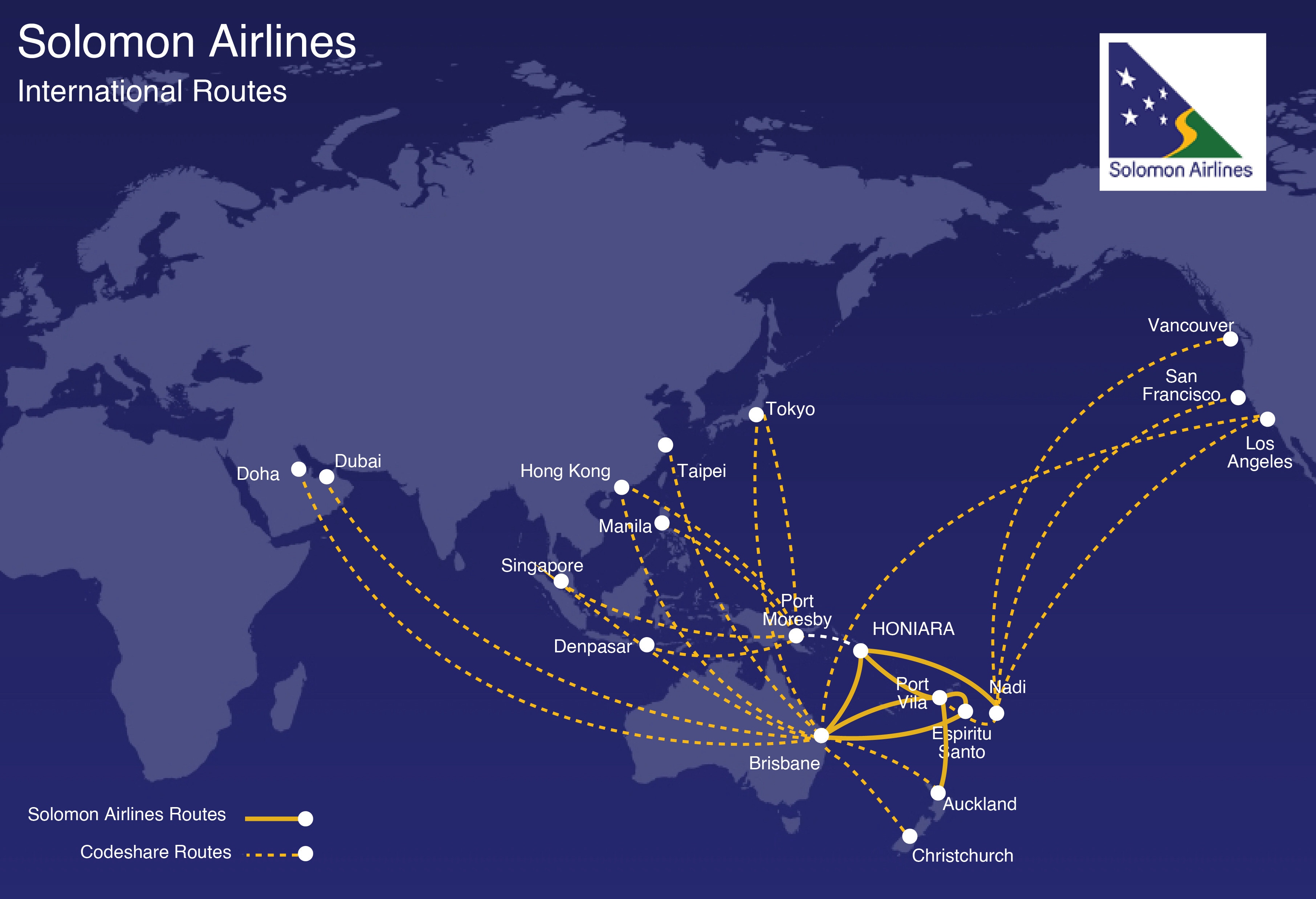
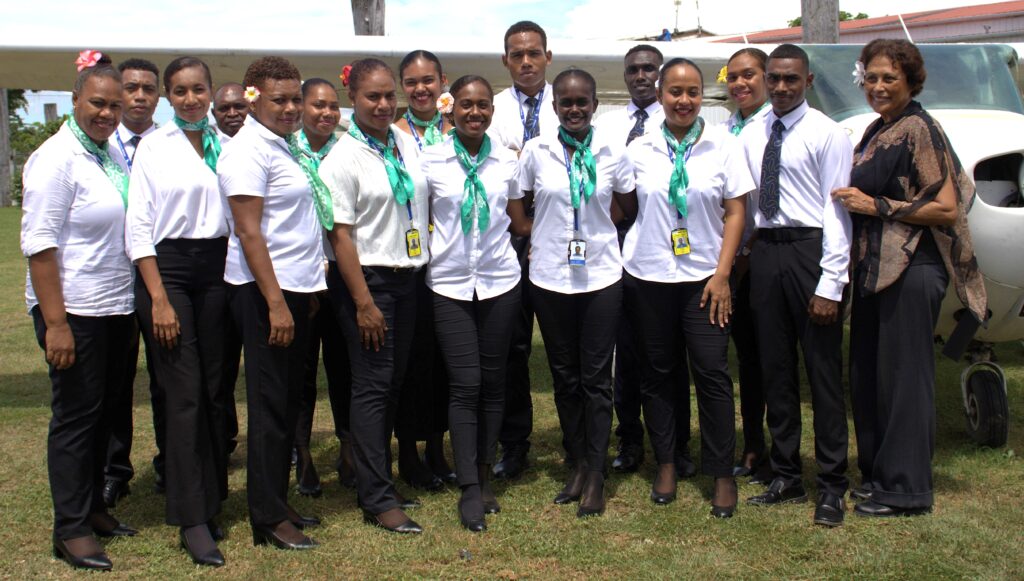
Across Solomon Islands every week, Solomon Airlines operates over 100 loss-making domestic flights. Using our current Twin Otter and Dash 8 aircraft we operate a busy, yet often interrupted schedule to 23 destinations between Honiara and the provinces.
The reality is that 90% of routes fail to come close to covering even their direct operating costs, despite fares charged often appearing to be high to the average traveller. But these routes remain a vital connection for the people of the Solomon Islands with the nation’s ongoing development at risk should they cease.
And we are not alone. Pacific Island airlines are particularly complex businesses, often very much undercapitalised with a majority of routes completely unviable commercially, due to very high operational costs when compared with the revenue generated.
Originally Solomon Airlines domestic operation existed, only as it was hugely financially propped up by the Community Support Grants from the Government and importantly cross-subsidised by money earned by our international operation – currently two Airbus A320 aircraft.
In many past years that has worked okay. Until the announcement that is, in May 2023, that Australia’s Qantas, our codeshare partner and a behemoth in the aviation industry, would start flying against us, on our primary international route.
The announcement that Qantas would start flights three-times weekly Brisbane-Honiara with Embraer E190 aircraft was a major threat to our profitability but just one small line in the Qantas announcement of a multi-billion-dollar investment in the Qantas Group fleet, the return of stored aircraft into service and 13 new routes including far down the list, Brisbane-Honiara.
At the time Qantas CEO Alan Joyce said “While airlines globally are working to restore capacity to meet demand, there is still a mismatch between supply and demand for international flying.”
He added that “We know our customers are looking for great value and this additional capacity will also put downward pressure on fares.”
At the time they also suggested (tongue in cheek) that when they came onto the route it would increase passenger numbers into SI and there would be a flow-on economic benefit to the country.
The sad reality is that it has not moved the total passenger numbers at all, and in fact they continue to drop year on year. Less people now spread over two airlines. The announcement late last month from Qantas applying to add an additional 5th weekly service now feels like the final straw.
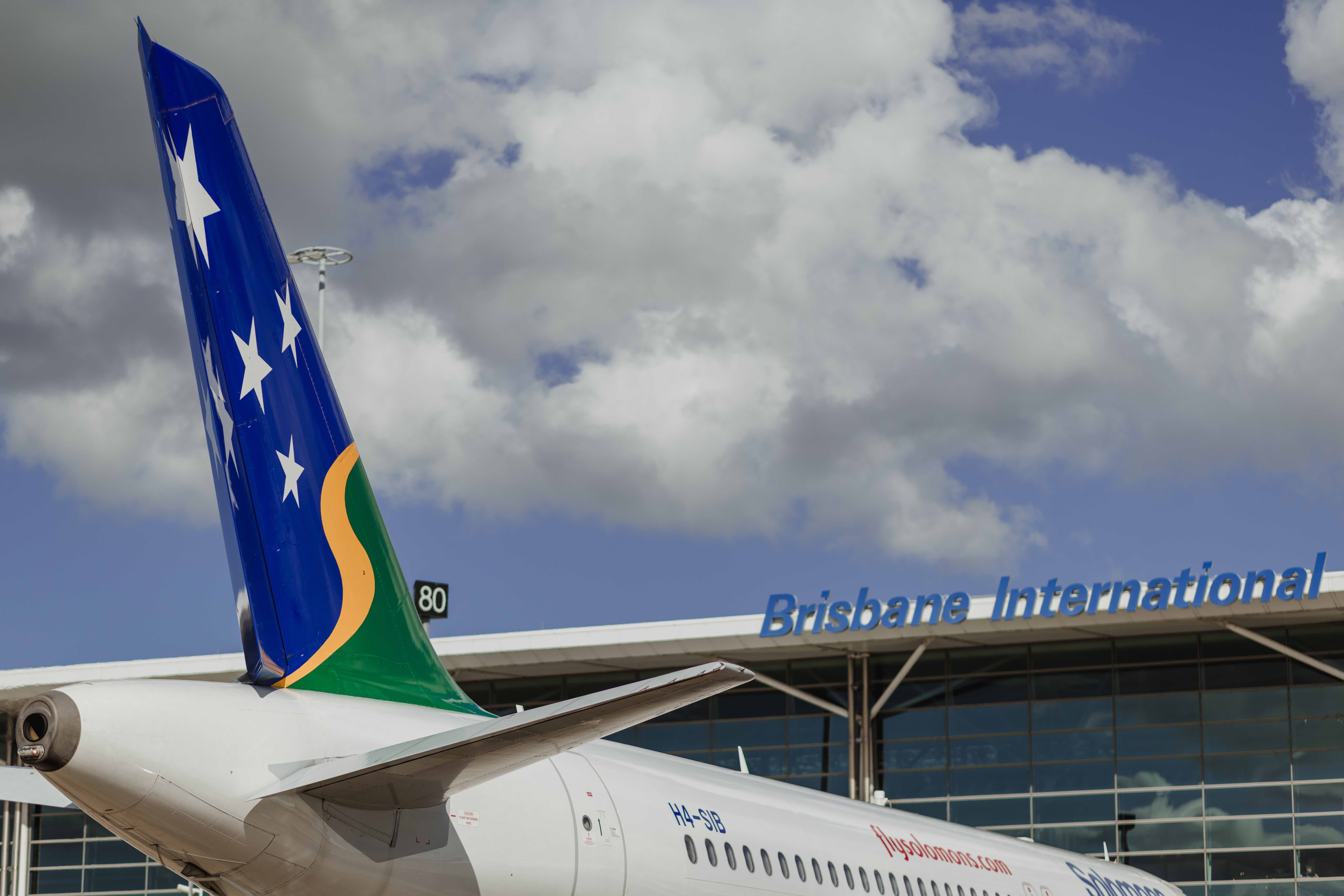
The Brisbane to Honiara route is not a big one by any measure. Pre-COVID in 2019, 52,000 passengers travelled but post COVID the numbers drop year on year and in 2025 we saw 38,000 people travelling. That’s only 730 passengers a week on a route served by two carriers who together offer around 1000 seats a week.
As a result, by 2025, Solomon Airlines international airline is barely financially viable. Our former partner becoming our direct competitor has been financially crippling.
Part of that has been the shift among Australian based business travellers, officials and corporate executives who fly between Australia and Solomon Islands, their travel is shaped by corporate agreements established in Australia (Qantas’ home base), leading them to choose to fly Qantas in higher-yielding classes to accumulate extra frequent flyer points.
As I write this, Solomon Airlines Limited is yet again facing a crisis of funding and sustainability bought about by factors like these, combined with extraordinary circumstances (Covid and border closures), amounting to declining revenues and
increasing costs.
The pathway to sustainability of our national carrier is also undermined by inadequate international air service agreements and a domestic market which cannot scale.
The existing air service agreements do not provide Solomon Airlines the room to fly further and in some instances even disadvantages the national carrier.
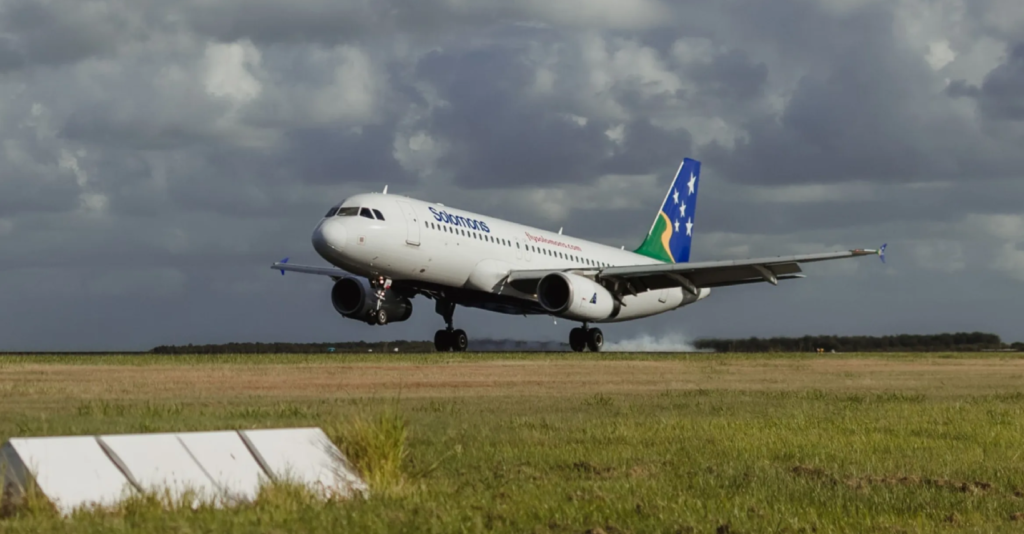
At the airline we also believe that nation-building is not the responsibility of Government alone. However to achieve the full impact of these changes, Solomon Airlines Limited will require degrees of government support on strategy and on interim funding.
The economic reality for the nation is that the current annual passenger base of around 120,000-150,000 for both international and domestic travellers is insufficient to cover the cost of operation, under the current structure and indeed for any airline looking to cover international and domestic operations without substantial and ongoing investment. Domestic numbers continue to decline due to cost of living pressures, and the airline is operating at about 80% of the numbers required domestically to breakeven.
Currently, there appears to be no economic drivers on the horizon that could address this issue. There is no extractive industry potential with the capacity required to drive economic growth, FIFO flows and secondary business development.
Tourism offers only limited potential and slow growth as it will rely on infrastructure investment which takes time, significant marketing and product development to deliver the inbound numbers necessary to drive passenger growth.
Projections from the Tourism department regarding expected growth of tourism to Solomon Islands over the next decade are insufficient to deliver any benefit even if growth could be accelerated.
As a result of all factors, our international revenue has been significantly impacted with severe losses in 2024 and within the organisation there is no further cost cutting we can pursue, without compromising our own operation and its safety.
At Solomon Airlines we are at a crossroads, potentially at the final decision point concerning the future of the airline.
But at any crossroads there are options… and sometimes one must even accelerate to get through.
Turning left for us may mean accepting that the market conditions and prospects as a self-funded commercial airline are no longer sustainable not now, nor in the future, and we must begin to plan towards closure of the airline.
Turning right means the airline with the government must change rapidly, and adopting decisions regarding international access rights, network, fleet and structure which may run counter to many current assumptions.
At this point, only one thing is clear. We are fast running out of momentum, and standing still is not an option.
Lead Photo Caption: Paul Abbot , CEO (Interim) Solomon Airlines