By Shreya Rajpuriya
Country Coordinator, Pacific Insurance and Climate Adaptation Programme,
United Nations Capital Development Fund (UNCDF), Solomon Islands
There is a peculiar kind of familiarity to storms now. They arrive not as interruptions, but as something already anticipated – tracked, named, watched, followed as they begin to take shape.
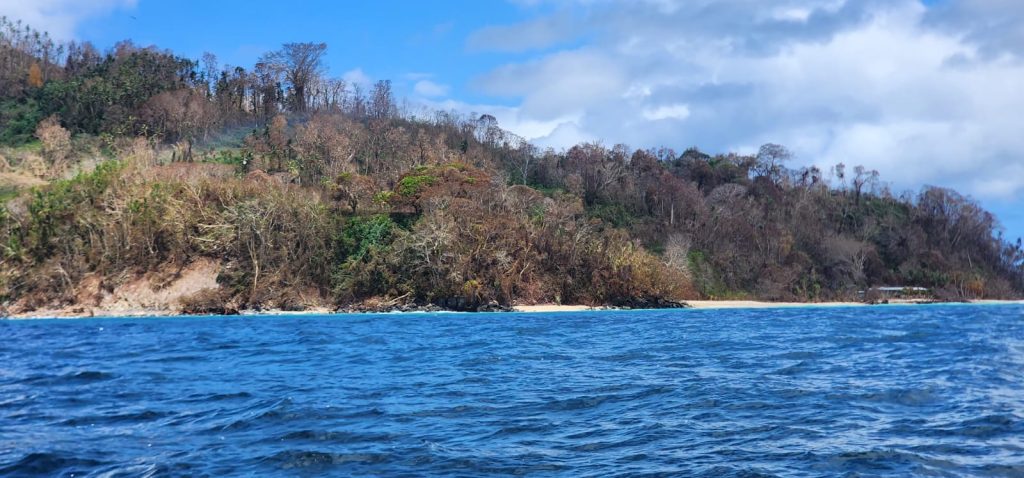
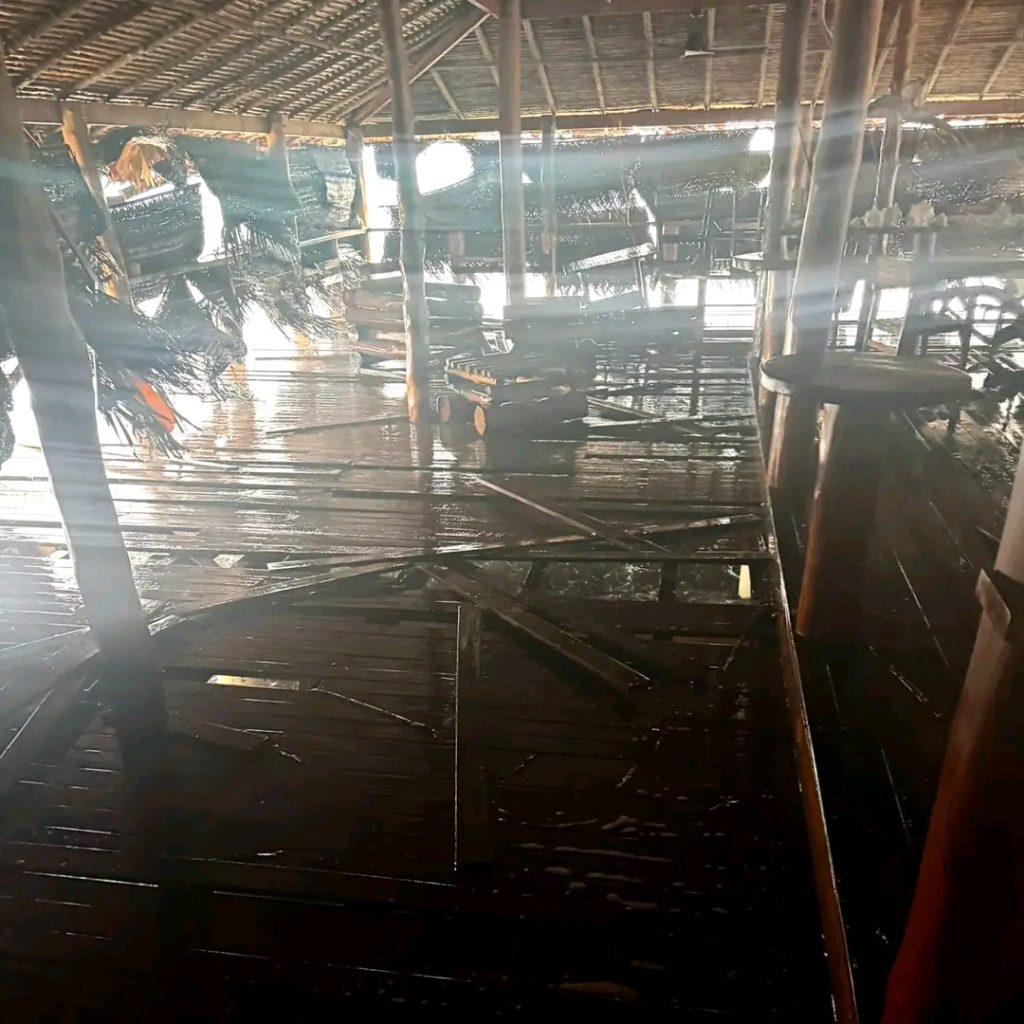
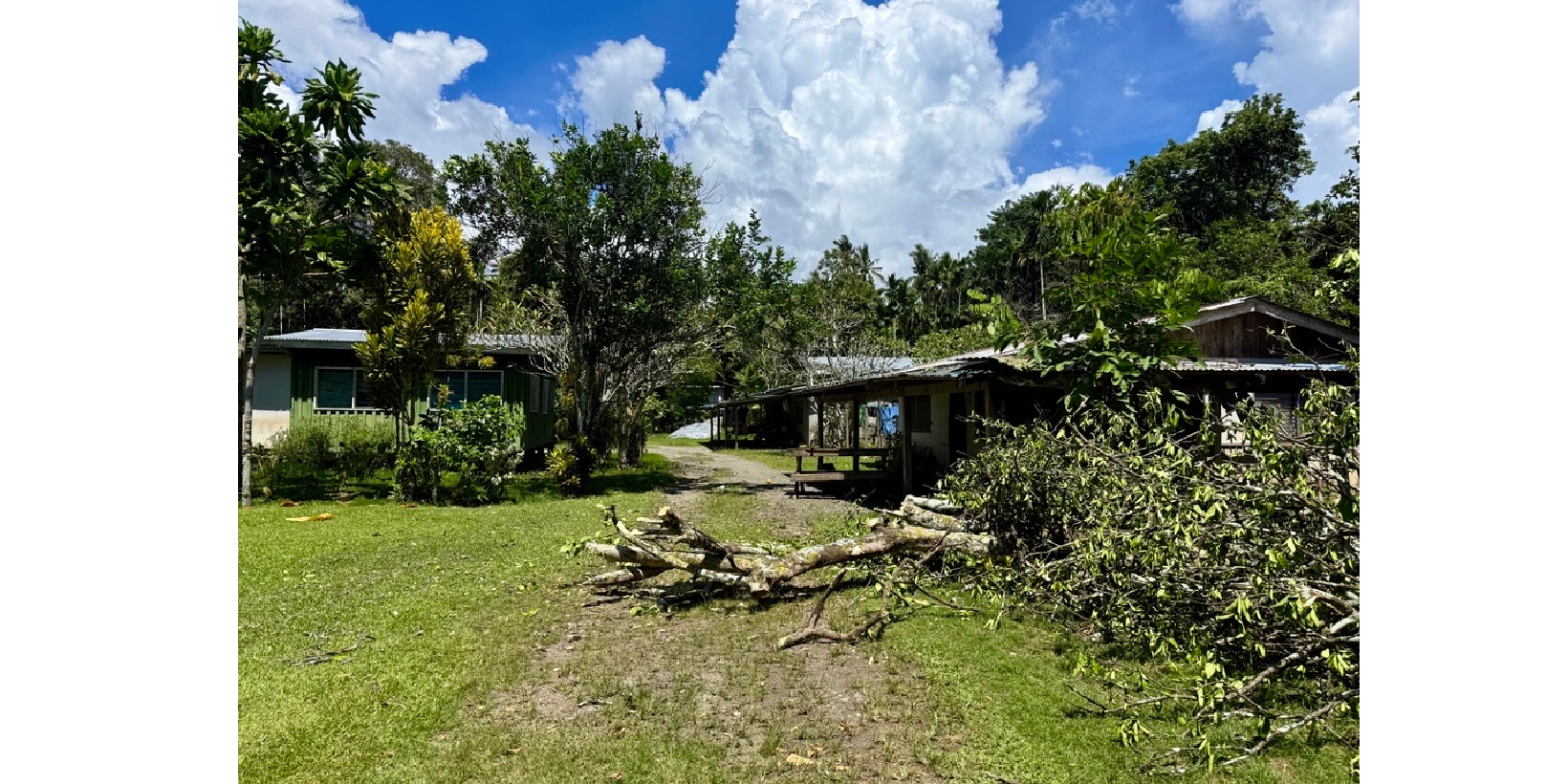
In the Solomon Islands, Cyclone Maila (Category 5) unfolded this way. Through notifications, conversations, through a kind of ambient awareness that something was forming, somewhere between probability and inevitability.
Two of my friends who had travelled to the Western Province that weekend mentioned, almost in passing, that they were “stranded” and had been unable to leave the island they were on. Boats were not running. The sea was not safe. A two-day trip was stretched into five days.
Although their experience did not sound like a disaster, something about it stayed with me.
We tend to think of disasters as events. Something that arrives, does its damage, and passes. A moment that divides time neatly into before and after.
But that way of thinking feels, in some ways, insufficient.
Cyclone Maila not only arrived but it also lingered. Besides critical damage, there was delay. The quiet ways in which ordinary life is put on hold. Plans pause. Movement becomes conditional. Decisions are delayed. Time continues, but not in the way it is expected to.
I find myself returning to the idea that we focus on the severity of impact but overlook the quiet distress of waiting. Waiting does not seem to be neutral. It stretches what people have – money, time, options – until something gives. It is perhaps in this waiting that uncertainty begins to accumulate, where disruption slowly takes on a more prolonged form.
And it is rarely accounted for.
In most systems of response, time is treated as something technical – something to be managed, reduced, optimised. But in practice, it is precisely where things begin to collapse.
Loss is immediate. Response is not. There is always an interval, l’entre-temps, between the two.
Earlier this year, a small number of households in Guadalcanal received climate insurance payouts, via TrigaCash, within days of a heavy rainfall spell. No claims or verification processes. The transfer appeared directly in their M-SELEN mobile wallets.
The scale was limited and amounts modest. But the timing was different. It allowed for something that is often missing in the aftermath of climate shock: the ability to act without waiting; waiting for external aid or help which often comes late or sometimes not at all.
TrigaCash, country’s first ever parametric insurance product covering cyclone, heavy rainfall and draught, has proven to be relevant, a proof of concept. Not as a solution, and certainly not a complete one, but as a critical intervention in time.
It does not remove loss. It does not prevent the storm. But it attempts to shorten that interval so one can respond not after everything has been assessed and confirmed, but in the moment when uncertainty is still unfolding. It is, in that sense, less about coverage, and more about when people are able to act whilst providing agency in the way they would like to act.
I was once told that disasters are not inevitable; they emerge when natural hazards or extreme weather events are not managed well. If that is true, then time is not incidental to disaster. It is constitutive of it.
Cyclone Maila will likely be remembered through its classification, its path, and the places it affected most severely. But what seems harder to hold on to are the quieter effects such as the delays, the interruptions, the sense of being unable to move forward in the way one had intended.
What remains is not only what happened, but how long it took for things to begin again.
What would it mean to see time, not impact, as where disaster really unfolds?
NOTE: “Views and opinions expressed by the author are personal and do not represent that of UNCDF/PICAP. For feedback or suggestions readers can email the author at: [email protected]”